



AD
5-Hydroxyisophthalic acid(CAS: 618-83-7)
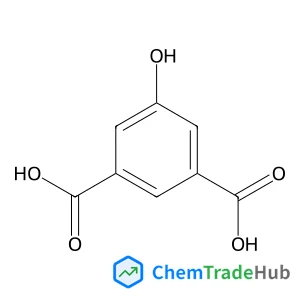
CAS Number
Related Products
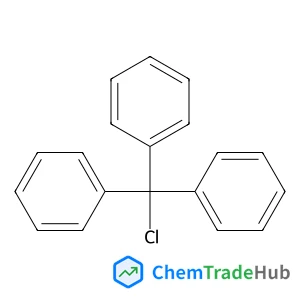
1,1',1''-(Chloromethanetriyl)tribenzene
CAS Number: 76-83-5
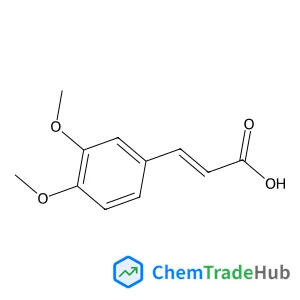
3-(3,4-Dimethoxyphenyl)acrylic acid
CAS Number: 14737-89-4
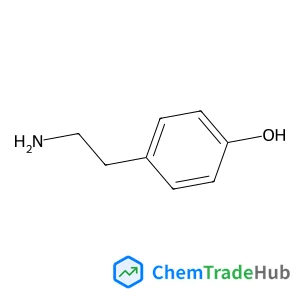
p-Tyramine
CAS Number: 51-67-2
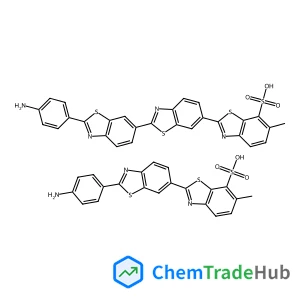
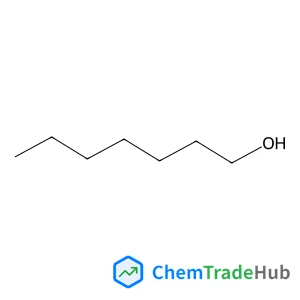
1-Heptanol
CAS Number: 111-70-6
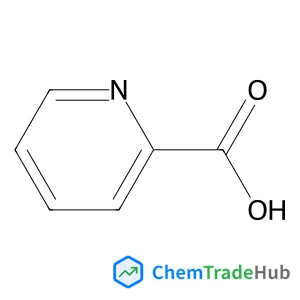
2-Pyridinecarboxylic acid
CAS Number: 98-98-6
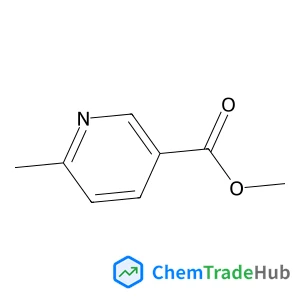
Methyl 6-methylnicotinate
CAS Number: 5470-70-2
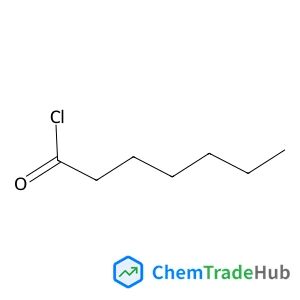
Heptanoyl chloride
CAS Number: 2528-61-2
Other Suppliers for 5-Hydroxyisophthalic acid




Basic Information
Molecular Formula
C8H6O5
Molecular Weight
182.13 g/mol
Physical Properties
Melting Point
298-302 °C (lit.)
Boiling Point
516.9°C at 760 mmHg
Density
1.3293 (rough estimate)
Flash Point
280.5℃
Chemical Identifiers
SMILES
C1=C(C=C(C=C1C(=O)O)O)C(=O)O
InChIKey
QNVNLUSHGRBCLO-UHFFFAOYSA-N
Database References
MDL Number
MFCD00002515
Beilstein Registry Number
2693561
FAQ
5-Hydroxyisophthalic acid is a white crystalline solid with a molecular weight of approximately 186.13 g/mol. It has a pKa of around 3.8, indicating acidity. The compound is slightly soluble in water and more soluble in common organic solvents like ethanol and acetone. It is known for its reactivity, particularly towards esterification and condensation reactions.
5-Hydroxyisophthalic acid is usually synthesized via the hydroxylation of isophthalic acid. The hydroxylation can be achieved using catalytic hydrogen peroxide in the presence of a suitable catalyst such as sodium hypochlorite or cobalt(II) salts. The reaction is selective and yields up to 95% of the desired product with good purity.
5-Hydroxyisophthalic acid is used in various industries, including pharmaceuticals, where it serves as a precursor for the synthesis of certain drugs. It is also utilized in the production of polyesters and polyamides, where its unique properties contribute to material performance. Additionally, it finds applications in the manufacturing of sensors and semiconductors due to its electronic and structural characteristics.
When handling 5-Hydroxyisophthalic acid (CAS: 618-83-7), it is essential to wear appropriate personal protective equipment (PPE) including gloves, safety goggles, and a lab coat. Handle in a well-ventilated area or fume hood to minimize inhalation risks. Ensure the spill is cleaned up immediately with appropriate absorbents and dispose of waste according to local regulations. Refer to the Safety Data Sheet (SDS) for detailed instructions on handling and emergency procedures.
Safety Notice
Please verify product specifications and safety data before use. Contact the supplier for detailed safety information.
Always follow proper handling procedures
Contact Information
Contact Person
Manager Qu
492657010@qq.com