



AD
Chloro(2-chlorobenzyl)zinc(CAS: 312624-11-6)
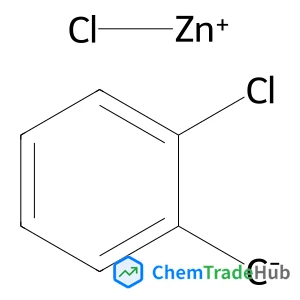
CAS Number
Related Products
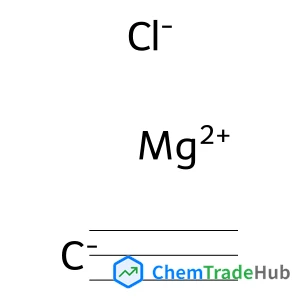
Chloro(ethynyl)magnesium
CAS Number: 65032-27-1
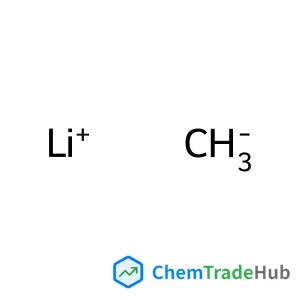
Methyllithium
CAS Number: 917-54-4
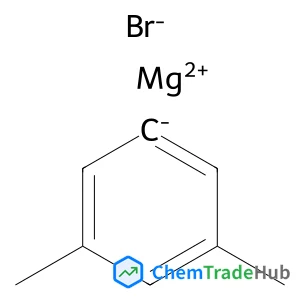
Bromo(3,5-dimethylphenyl)magnesium
CAS Number: 34696-73-6
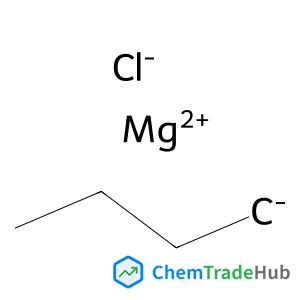
Butylmagnesium Chloride
CAS Number: 693-04-9
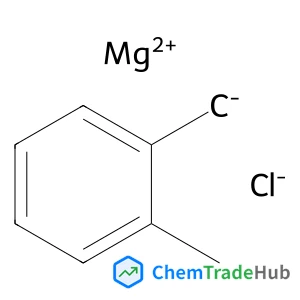
Chloro(2-methylbenzyl)magnesium
CAS Number: 29875-05-6
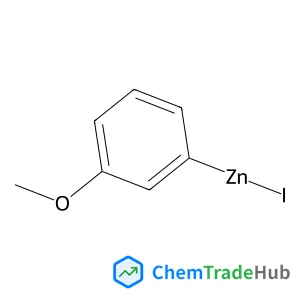
Iodo(3-methoxyphenyl)zinc
CAS Number: 300825-30-3
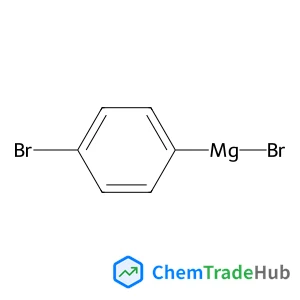
Bromo(4-bromophenyl)magnesium
CAS Number: 18620-02-5
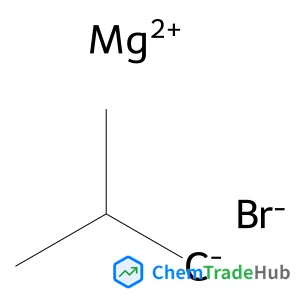
Isobutylmagnesium Bromide
CAS Number: 926-62-5
Other Suppliers for Chloro(2-chlorobenzyl)zinc



Basic Information
Molecular Formula
C7H6Cl2Zn
Molecular Weight
226.42 g/mol
Physical Properties
Boiling Point
°Cat760mmHg
Chemical Identifiers
SMILES
[CH2-]C1=CC=CC=C1Cl.Cl[Zn+]
InChIKey
UYRPILXSYQWKDJ-UHFFFAOYSA-M
Database References
MDL Number
MFCD01319880
FAQ
Chloro(2-chlorobenzyl)zinc (CAS: 312624-11-6) is subject to various regulatory guidelines such as the Globally Harmonized System of Classification and Labeling of Chemicals (GHS), REACH regulations in the European Union, and FDA/EPA guidelines. It must be handled and stored in accordance with these regulations, including proper labeling, storage conditions, and disposal methods.
Several alternatives can be used in synthesis instead of Chloro(2-chlorobenzyl)zinc (CAS: 312624-11-6). Common alternatives include other zinc complexes, substituted benzyl compounds, and reagents like zinc chloride or triphenylphosphine. These alternatives offer similar functionalities but with different reactivity profiles.
The market for Chloro(2-chlorobenzyl)zinc (CAS: 312624-11-6) is growing due to increasing demand in pharmaceutical and agrochemical industries. Research trends focus on its applications in catalyst systems and as a versatile reagent in organic synthesis. However, there is also an emerging interest in exploring its use in developing more sustainable and environmentally friendly processes.
Waste containing Chloro(2-chlorobenzyl)zinc (CAS: 312624-11-6) should be collected and handled according to the local waste disposal regulations. Typically, this involves neutralizing the waste to reduce its acidity or alkalinity, followed by incineration or professional waste disposal. Proper safety measures and environmental protection precautions must be taken to prevent contamination and ensure compliance with environmental regulations.
Safety Notice
Please verify product specifications and safety data before use. Contact the supplier for detailed safety information.
Always follow proper handling procedures