



AD
Methyl 3-cyclohexyl-D-alaninate hydrochloride (1:1)(CAS: 144644-00-8)
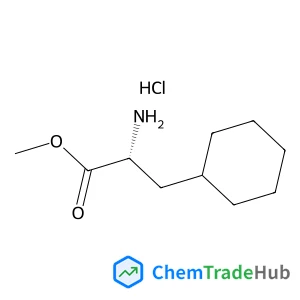
CAS Number
Related Products
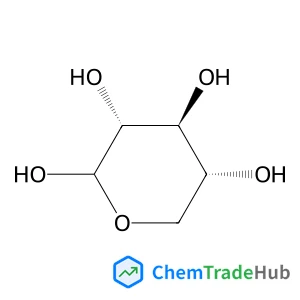
D-Xylopyranose
CAS Number: 31178-70-8
![N-[(9H-Fluoren-9-ylmethoxy)carbonyl]-beta-alanine](https://static.chemtradehub.com/structs/357/35737-10-1-c9fa.webp)
![N-[(Benzyloxy)carbonyl]-L-valine](https://static.chemtradehub.com/structs/114/1149-26-4-cb4c.webp)
N-[(Benzyloxy)carbonyl]-L-valine
CAS Number: 1149-26-4
![N-[(9H-Fluoren-9-ylmethoxy)carbonyl]serine](https://static.chemtradehub.com/structs/116/116861-26-8-f43b.webp)
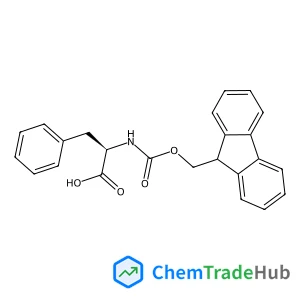
Aspartame Impurity 4 (Fmoc-D-Phe-OH)
CAS Number: 86123-10-6
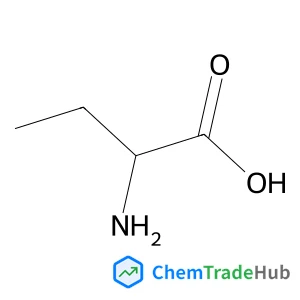
L-Aminobutyric Acid
CAS Number: 1492-24-6
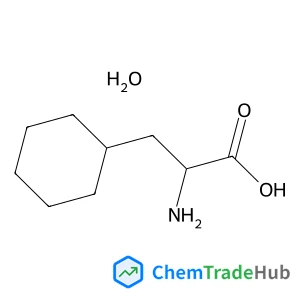
3-Cyclohexylalanine hydrate (1:1)
CAS Number: 307310-72-1
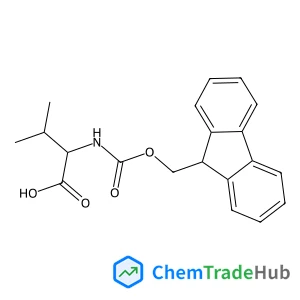
Fmoc-D-Val-OH
CAS Number: 84624-17-9
Other Suppliers for Methyl 3-cyclohexyl-D-alaninate hydrochloride (1:1)








Basic Information
Molecular Formula
C10H20ClNO2
Molecular Weight
221.73 g/mol
Chemical Identifiers
SMILES
Cl.COC(=O)[C@H](N)CC1CCCCC1
InChIKey
YLESODBCBYZUCT-SBSPUUFOSA-N
Database References
MDL Number
MFCD00797542
FAQ
Methyl 3-cyclohexyl-D-alaninate hydrochloride (CAS: 144644-00-8) should comply with the Globally Harmonized System of Classification and Labeling of Chemicals (GHS) and the European Chemicals Agency (ECHA) REACH regulations. It is also subject to FDA and EPA requirements for use in pharmaceuticals and environmental release, respectively. Detailed safety data sheets (SDS) are essential for handling and storage to ensure compliance with local and international regulations.
Several alternatives can be used in the synthesis of Methyl 3-cyclohexyl-D-alaninate hydrochloride (CAS: 144644-00-8), including isomers and analogs like ethyl 3-cyclohexyl-D-alaninate hydrochloride. Common alternative reagents may include D-alanine derivatives or other cyclic peptides. These alternatives can offer similar functionalities but with varying reactivity and stability.
The market for Methyl 3-cyclohexyl-D-alaninate hydrochloride (CAS: 144644-00-8) shows growing interest in its applications in pharmaceuticals, particularly as a potential anti-inflammatory agent. Research trends focus on optimizing its synthesis and exploring its interaction with enzymes. Price trends indicate increasing demand due to its unique biological properties, driving innovation in drug development.
Waste containing Methyl 3-cyclohexyl-D-alaninate hydrochloride (CAS: 144644-00-8) should be collected in sealed containers and disposed of through professional waste disposal services. Incineration is a common method for waste disposal, but proper environmental protection measures must be followed to prevent contamination. Hazardous waste regulations should be adhered to, and disposal methods should be documented in a waste management plan to ensure compliance with local and international environmental standards.
Safety Notice
Please verify product specifications and safety data before use. Contact the supplier for detailed safety information.
Always follow proper handling procedures