AD
Hemicellulase(CAS: 9025-56-3)
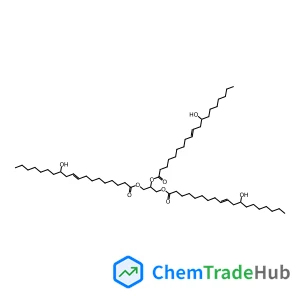
CAS Number
Related Products
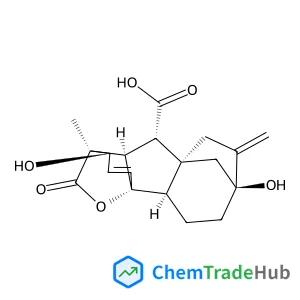
Gibberellic acid
CAS Number: 77-06-5
gamma-Globulin from Human, fraction II,
CAS Number: 9007-83-4
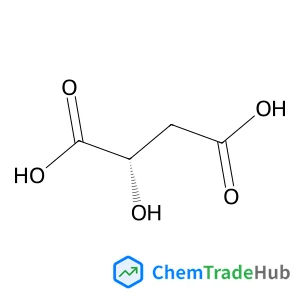
(2S)-2-Hydroxysuccinic acid
CAS Number: 97-67-6
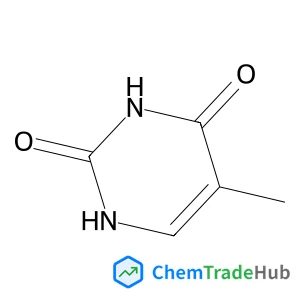
5-Methyl-2,4(1H,3H)-pyrimidinedione
CAS Number: 65-71-4
Deoxyribonucleic acids,salmon sperm
CAS Number: 68938-01-2
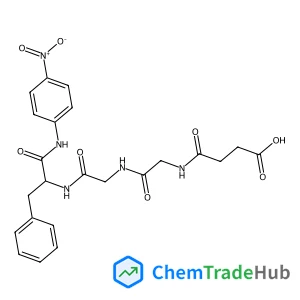
Chymotrypsin Substrate I, Colorimetric
CAS Number: 9004-07-3
![Disodium 4,5,6,7-tetrachloro-2',4',5',7'-tetraiodo-3-oxo-3H-spiro[2-benzofuran-1,9'-xanthene]-3',6'-diolate](https://static.chemtradehub.com/structs/632/632-69-9-e5eb.webp)
![Sodium (2S,5R,6R)-3,3-dimethyl-7-oxo-6-[(phenylacetyl)amino]-4-thia-1-azabicyclo[3.2.0]heptane-2-carboxylate](https://static.chemtradehub.com/structs/69-/69-57-8-dbe7.webp)
Other Suppliers for Hemicellulase





Basic Information
Molecular Formula
NULL
Molecular Weight
975.5 g/mol
EINECS
232-799-9
Physical Properties
Melting Point
No data available
Boiling Point
No data available
Density
No data available
Flash Point
No data available
Chemical Identifiers
SMILES
CCCCCCCC(CC=CCCCCCCCC(=O)OCC(COC(=O)CCCCCCCC=CCC(CCCCCCC)O)OC(=O)CCCCCCCC=CCC(CCCCCCC)O)O
InChIKey
No data available
Database References
MDL Number
MFCD00131279
FAQ
Hemicellulase (CAS: 9025-56-3) falls under the purview of various regulatory guidelines. It is classified as a biocatalyst under the Globally Harmonized System (GHS) of Classification and Labelling of Chemicals. In Europe, it is regulated under the REACH (Registration, Evaluation, Authorisation, and Restriction of Chemicals) regulation. Additionally, the FDA and EPA have specific guidelines for the use and handling of enzymes, including hemicellulase, in food processing and environmental applications.
Yes, there are alternatives to hemicellulase (CAS: 9025-56-3) in synthesis. Common alternatives include chemical catalysts and other enzymatic options. For instance, cellulose-based enzymes like cellulase can serve similar functions in breaking down complex carbohydrates. Additionally, synthetic routes using chemical reagents can provide comparable results, though they may differ in terms of efficiency and environmental impact.
The market for hemicellulase (CAS: 9025-56-3) is seeing significant growth due to increasing demand in bioenergy, food processing, and pulp and paper industries. Research trends are focusing on improving enzyme stability and activity at higher temperatures and in harsher conditions. There is also a growing interest in developing more sustainable and cost-effective production methods. Emerging studies are also exploring the use of hemicellulase in bioremediation and pharmaceutical applications.
Waste containing hemicellulase (CAS: 9025-56-3) should be managed carefully to ensure environmental safety. Typically, it should be collected in leak-proof containers and disposed of through professional waste disposal services. Incineration is a common method, but it is essential to follow local regulations. Environmental protection measures should include proper containment to prevent leaks and ensure that waste is treated in an environmentally friendly manner. Safe handling practices should always be followed to avoid contamination and ensure worker safety.
Safety Notice
Please verify product specifications and safety data before use. Contact the supplier for detailed safety information.
Always follow proper handling procedures