



AD
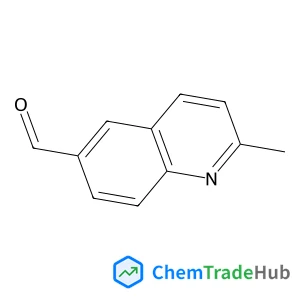
2-Methyl-6-quinolinecarbaldehyde(CAS: 108166-03-6)
CAS Number
Related Products
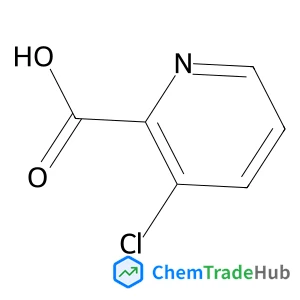
3-Chloro-2-pyridinecarboxylic acid
CAS Number: 57266-69-0
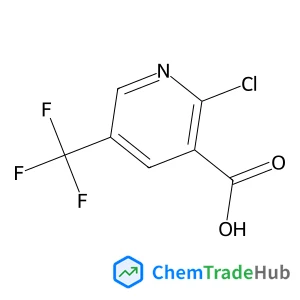
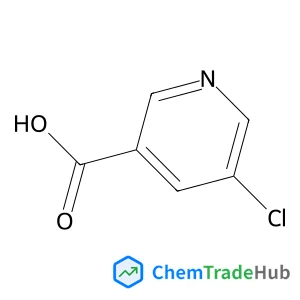
5-Chloronicotinic acid
CAS Number: 22620-27-5
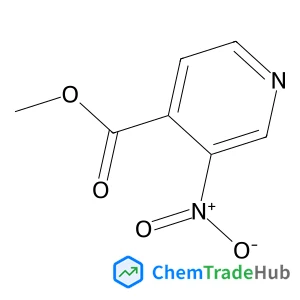
Methyl 3-nitroisonicotinate
CAS Number: 103698-10-8
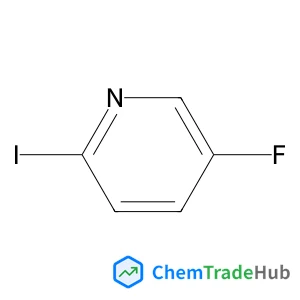
5-Fluoro-2-iodopyridine
CAS Number: 159870-80-1
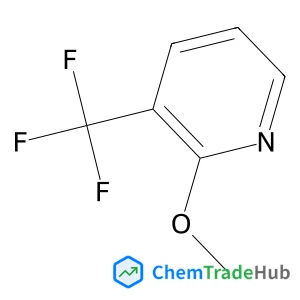
2-Methoxy-3-(trifluoromethyl)pyridine
CAS Number: 121643-44-5
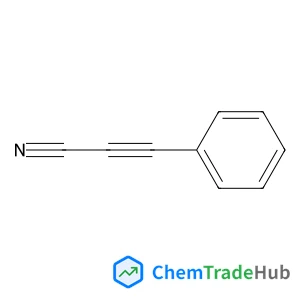
3-Phenylpropiolonitrile
CAS Number: 935-02-4
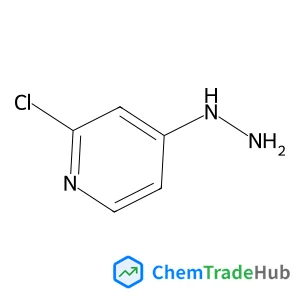
2-Chloro-4-hydrazinopyridine
CAS Number: 700811-29-6
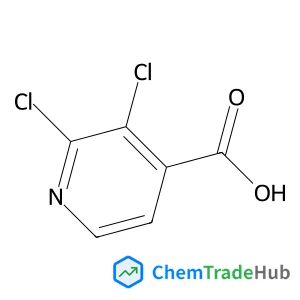
2,3-Dichloroisonicotinic acid
CAS Number: 184416-84-0
Other Suppliers for 2-Methyl-6-quinolinecarbaldehyde




Basic Information
Molecular Formula
C11H9NO
Molecular Weight
171.2 g/mol
Physical Properties
Melting Point
96-99 ºC
Boiling Point
315.6°C at 760 mmHg
Density
1.183
Flash Point
152.7°C
Chemical Identifiers
SMILES
CC1=NC2=C(C=C1)C=C(C=C2)C=O
InChIKey
WAPQHBBEWPVBTO-UHFFFAOYSA-N
Database References
MDL Number
MFCD08060502
FAQ
2-Methyl-6-quinolinecarbaldehyde (CAS: 108166-03-6) must comply with the REACH regulations in the EU, which require manufacturers and importers to register substances if they are manufactured or imported in quantities exceeding 1 ton per year. In the US, it should adhere to the EPA's regulations for hazardous substances, and FDA guidelines for use in food-related applications. Additionally, it should follow the GHS classification for transportation and industrial safety.
Synthesizers often use alternatives such as 2-Acetylquinoline or 6-Methyl-2-quinolinecarbaldehyde. These compounds offer similar functionalities and can be chosen based on specific reaction requirements and availability. The choice of alternative reagents depends on the desired product and the chemical environment.
The market for 2-Methyl-6-quinolinecarbaldehyde is growing due to its application in fragrance and flavor industries. Research trends are focusing on its use as a precursor in the development of new pharmaceuticals and as an intermediate in organic synthesis. The demand is expected to increase with advancements in these fields.
Waste containing 2-Methyl-6-quinolinecarbaldehyde should be collected in appropriate containers and disposed of through professional waste disposal services. Incineration is a common method for this waste, ensuring complete destruction and minimizing environmental impact. Strict environmental protection precautions, such as proper ventilation and handling procedures, should be followed to prevent any accidental release into the environment.
Safety Notice
Please verify product specifications and safety data before use. Contact the supplier for detailed safety information.
Always follow proper handling procedures
Contact Information
dkdlxh@163.com