



AD
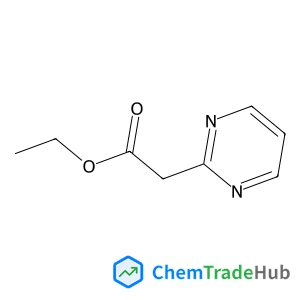
Ethyl 2-pyrimidinylacetate(CAS: 63155-11-3)
CAS Number
Related Products
![5-Iodo-3H-pyrrolo[2,3-D]pyrimidin-4(7H)-one](https://static.chemtradehub.com/structs/135/135352-71-5-db1f.webp)
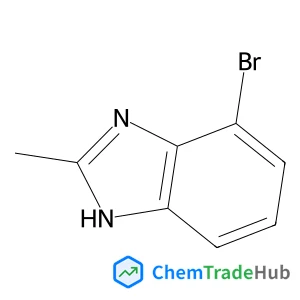
4-Bromo-2-methyl-1H-benzimidazole
CAS Number: 20223-87-4
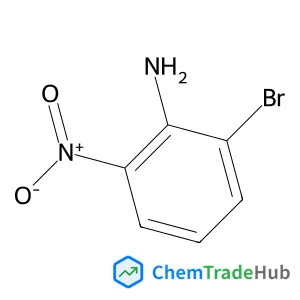
2-Bromo-6-nitroaniline
CAS Number: 59255-95-7
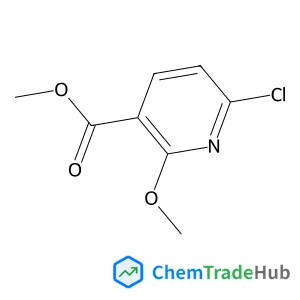
Methyl 6-chloro-2-methoxynicotinate
CAS Number: 65515-32-4
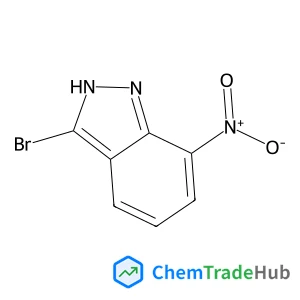
3-Bromo-7-nitro-1H-indazole
CAS Number: 74209-34-0
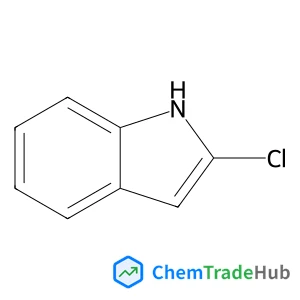
2-Chloro-1H-indole
CAS Number: 7135-31-1
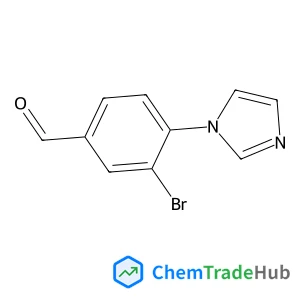
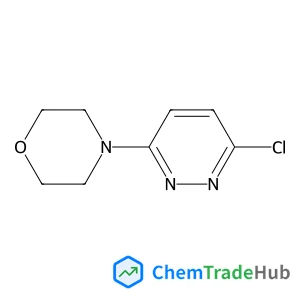
4-(6-Chloro-3-pyridazinyl)morpholine
CAS Number: 17259-32-4
Other Suppliers for Ethyl 2-pyrimidinylacetate





Basic Information
Molecular Formula
C8H10N2O2
Molecular Weight
166.18 g/mol
Physical Properties
Boiling Point
238 ºC
Density
1.144
Flash Point
98 ºC
Chemical Identifiers
SMILES
CCOC(=O)CC1=NC=CC=N1
InChIKey
DZQZAEMLHNEMEN-UHFFFAOYSA-N
Database References
MDL Number
MFCD09953517
FAQ
Ethyl 2-pyrimidinylacetate (CAS: 63155-11-3) is a crystalline compound with a molecular weight of approximately 170.21 g/mol. It is slightly soluble in water but soluble in organic solvents like ethanol and acetone. The compound is mildly reactive and should be handled with care, particularly in the presence of moisture or other strong oxidizers. It decomposes when exposed to heat or strong acids.
Ethyl 2-pyrimidinylacetate (CAS: 63155-11-3) is typically synthesized via the condensation of 2-pyrimidinylacetic acid with ethyl bromide in the presence of a base such as potassium carbonate. The reaction is carried out in an aprotic solvent like dimethylformamide (DMF) under mild heating. The yield is usually around 70-80%, and the product can be purified by recrystallization from organic solvents.
Ethyl 2-pyrimidinylacetate (CAS: 63155-11-3) is used in the pharmaceutical industry for the synthesis of certain drugs and as an intermediate in the production of organic compounds. It is also used in the polymer industry for the modification of polymer properties and in the semiconductor industry for the fabrication of thin films. Additionally, it has applications in the development of sensors and analytical chemistry.
When handling Ethyl 2-pyrimidinylacetate (CAS: 63155-11-3), it is important to wear appropriate personal protective equipment (PPE), including gloves, safety goggles, and a lab coat. Work should be conducted in a well-ventilated fume hood to avoid inhalation of vapors. Spills should be cleaned up carefully using appropriate absorbents, and the area should be thoroughly ventilated. Always refer to the Material Safety Data Sheet (MSDS/SDS) for detailed handling and disposal information.
Safety Notice
Please verify product specifications and safety data before use. Contact the supplier for detailed safety information.
Always follow proper handling procedures
Contact Information
Contact Person
Xu Zichen
xzc224@126.com