



AD
3-Bromo-2-thiophenecarboxylic acid(CAS: 7311-64-0)
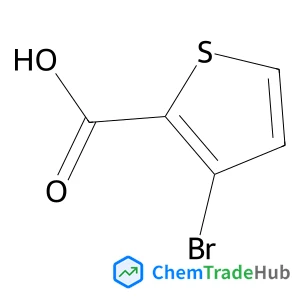
CAS Number
Related Products
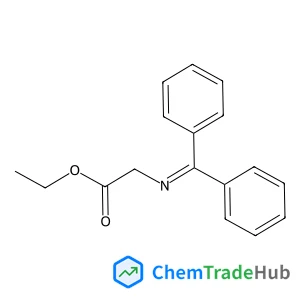
Ethyl N-(diphenylmethylene)glycinate
CAS Number: 69555-14-2
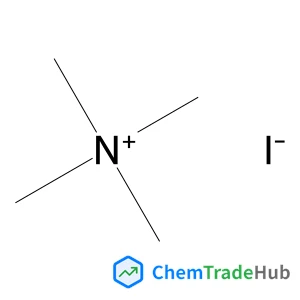
N,N,N-Trimethylmethanaminium iodide
CAS Number: 75-58-1
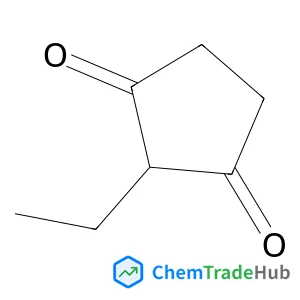
2-Ethyl-1,3-cyclopentanedione
CAS Number: 823-36-9
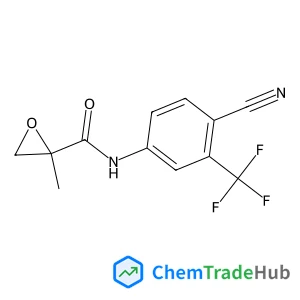
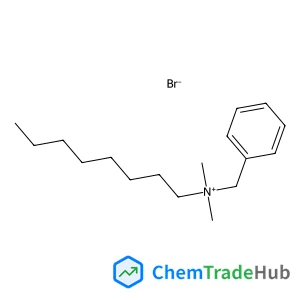
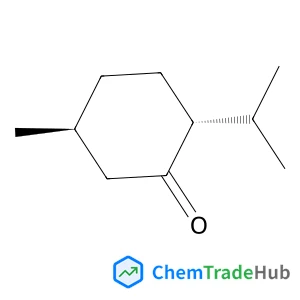
(2R,5S)-2-Isopropyl-5-methylcyclohexanone
CAS Number: 89-80-5
Other Suppliers for 3-Bromo-2-thiophenecarboxylic acid






Basic Information
Molecular Formula
C5H3BrO2S
Molecular Weight
207.05 g/mol
Physical Properties
Melting Point
196.0 to 200.0 deg-C
Boiling Point
318 °C at 760 mmHg
Density
1.923
Flash Point
146.1 °C
Chemical Identifiers
SMILES
C1=CSC(=C1Br)C(=O)O
InChIKey
VQQLWBUTTMNMFT-UHFFFAOYSA-N
Database References
MDL Number
MFCD00052291
Beilstein Registry Number
121585
FAQ
3-Bromo-2-thiophenecarboxylic acid is a white crystalline solid with a molecular weight of approximately 214.03 g/mol. It has a melting point of 135-136°C and is slightly soluble in water. It is reactive towards nucleophiles and can undergo substitution reactions. The compound is stable under normal conditions but should be stored in a dry, cool place away from direct sunlight.
3-Bromo-2-thiophenecarboxylic acid is typically synthesized by bromination of 2-thiophenecarboxylic acid. The bromination is usually carried out using bromine in the presence of a Lewis acid catalyst, such as aluminum bromide, in an appropriate solvent like dichloromethane. The reaction is exothermic and should be performed under nitrogen atmosphere to avoid side reactions.
3-Bromo-2-thiophenecarboxylic acid is used in various industries. It is a key intermediate in the synthesis of pharmaceuticals, particularly in the preparation of drugs targeting specific receptors. It is also used in the production of sensors, semiconductors, and polymers due to its unique chemical properties.
When handling 3-Bromo-2-thiophenecarboxylic acid, it is essential to use proper personal protective equipment (PPE), including gloves, goggles, and a lab coat. The compound should be stored in a fume hood to minimize exposure. In case of a spill, it should be carefully cleaned up using appropriate absorbents, and the area should be well ventilated. Always consult the Safety Data Sheet (SDS) for specific handling instructions and emergency procedures.
Safety Notice
Please verify product specifications and safety data before use. Contact the supplier for detailed safety information.
Always follow proper handling procedures
Contact Information
sales@witofly.com