



AD
2-Methyl-2-propanyl (2R)-2-methyl-1-piperazinecarboxylate(CAS: 170033-47-3)
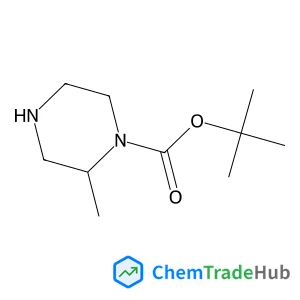
CAS Number
Related Products
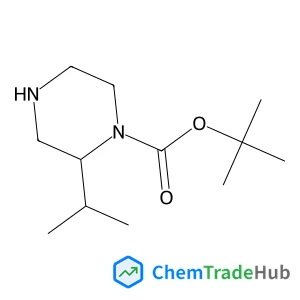
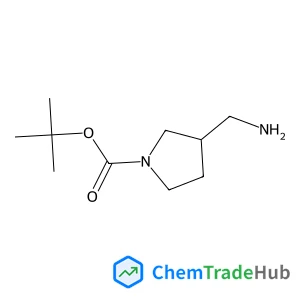
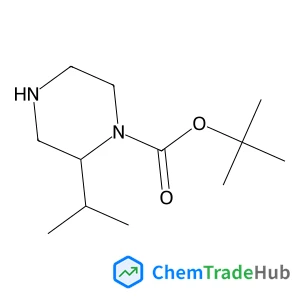
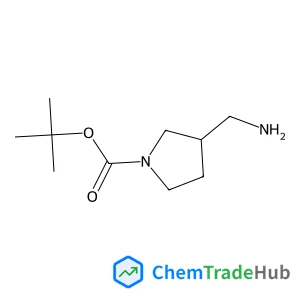
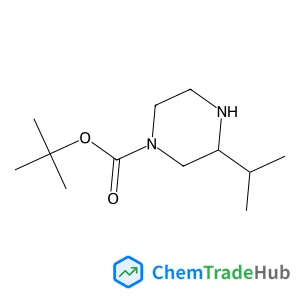
(R)-1-Boc-3-isopropyl-piperazine
CAS Number: 928025-63-2
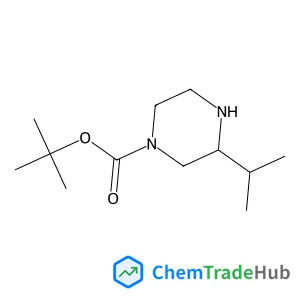
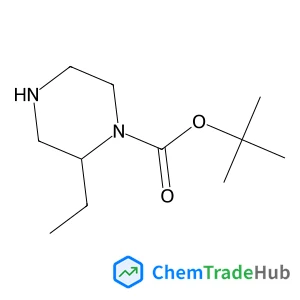
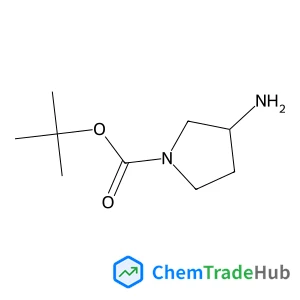
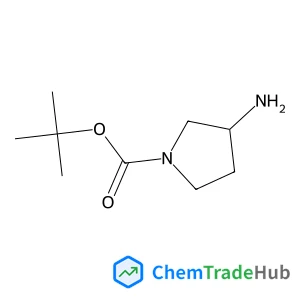
Other Suppliers for 2-Methyl-2-propanyl (2R)-2-methyl-1-piperazinecarboxylate




Basic Information
Molecular Formula
C10H20N2O2
Molecular Weight
200.28 g/mol
Physical State
White to Yellow Solid
Physical Properties
Melting Point
33-45°C
Flash Point
116.3℃
Chemical Identifiers
SMILES
CC1CNCCN1C(=O)OC(C)(C)C
InChIKey
DATRVIMZZZVHMP-MRVPVSSYSA-N
Database References
MDL Number
MFCD01862120
FAQ
2-Methyl-2-propanyl (2R)-2-methyl-1-piperazinecarboxylate (CAS: 170033-47-3) is a crystalline solid with a molecular weight of 247.34 g/mol. It is slightly soluble in water but soluble in organic solvents like ethanol and acetone. This compound is chemically stable under normal conditions but may react with strong bases or acids. It is characterized by its low reactivity towards common functional groups and is typically used as a stable intermediate in organic synthesis.
2-Methyl-2-propanyl (2R)-2-methyl-1-piperazinecarboxylate (CAS: 170033-47-3) is typically synthesized via a multi-step process involving the reaction of a 2-methyl-1-piperazinecarboxylic acid derivative with 2-methylpropan-2-ol. The reaction is usually performed under mild conditions with a suitable catalyst to achieve high selectivity and yield. The exact method can vary based on the availability of starting materials and specific experimental conditions.
2-Methyl-2-propanyl (2R)-2-methyl-1-piperazinecarboxylate (CAS: 170033-47-3) is primarily used in the pharmaceutical industry as an intermediate in the synthesis of various drugs. It is also utilized in the polymer industry for the development of new materials with specific properties. Additionally, it has potential applications in the production of sensors and semiconductors due to its chemical stability and reactivity.
When handling 2-Methyl-2-proanyl (2R)-2-methyl-1-piperazinecarboxylate (CAS: 170033-47-3), it is important to use appropriate personal protective equipment (PPE) such as gloves, goggles, and a lab coat. Work should be conducted in a well-ventilated area or fume hood to minimize inhalation risks. Spills should be handled with caution, using absorbent materials, and disposing of any waste according to local regulations. Always refer to the Safety Data Sheet (SDS) for detailed handling instructions and emergency procedures.
Safety Notice
Please verify product specifications and safety data before use. Contact the supplier for detailed safety information.
Always follow proper handling procedures