



AD
2,2'-(Octadecylimino)diethanol(CAS: 10213-78-2)
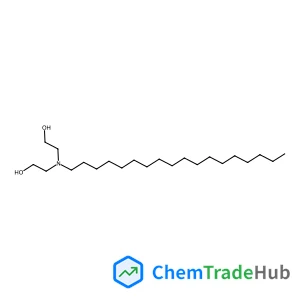
CAS Number
Related Products
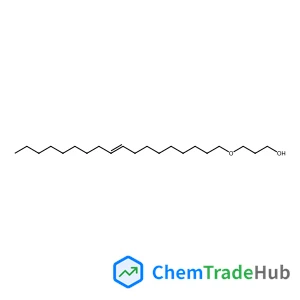
PPG-10 OLEYL ETHER
CAS Number: 52581-71-2
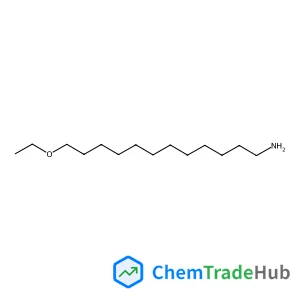
12-Ethoxy-1-dodecanamine
CAS Number: 72968-37-7
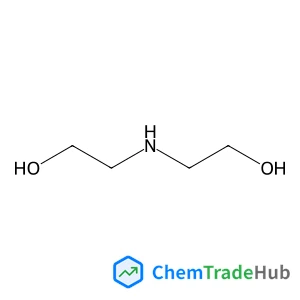
Diethanolamine
CAS Number: 61791-44-4
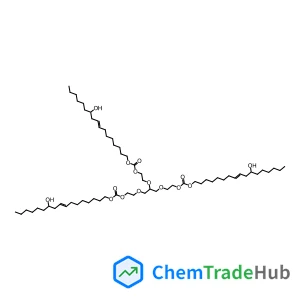
1,3-Dichloro-2-propanyl carbamate
CAS Number: 61791-12-6
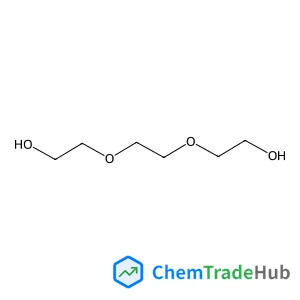
PEG300
CAS Number: 25322-68-3
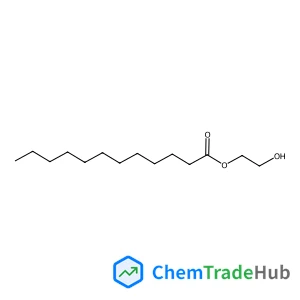
2-Hydroxyethyl laurate
CAS Number: 9004-81-3
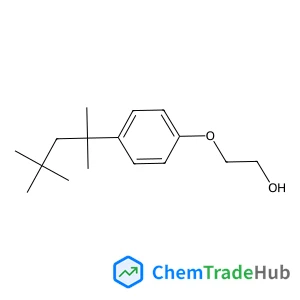
Triton X-100
CAS Number: 9002-93-1
Coconut Diethanolamide
CAS Number: 61791-31-9
Other Suppliers for 2,2'-(Octadecylimino)diethanol




Basic Information
Molecular Formula
C22H47NO2
Molecular Weight
357.62 g/mol
Physical Properties
Melting Point
49.0 to 53.0 deg-C
Boiling Point
452.1°C at 760 mmHg
Flash Point
201.2°C
Chemical Identifiers
SMILES
CCCCCCCCCCCCCCCCCCN(CCO)CCO
InChIKey
NDLNTMNRNCENRZ-UHFFFAOYSA-N
Database References
MDL Number
MFCD00059003
FAQ
2,2'-(Octadecylimino)diethanol is a colorless liquid with a molecular weight of approximately 366.5 g/mol. It has a low solubility in water but is soluble in common organic solvents. The compound is relatively stable under normal conditions but can react with strong acids and bases. It has a boiling point of about 230°C and a vapor pressure of less than 1 mm Hg at 25°C.
2,2'-(Octadecylimino)diethanol is typically synthesized through the reaction of octadecylamine and ethanol in the presence of a catalyst, such as sulfuric acid. The process involves the formation of an imine intermediate, followed by reductive amination to form the final product. The yield is generally high, and the method can be optimized for selectivity and purity.
2,2'-(Octadecylimino)diethanol is primarily used in the production of polyurethane and polyurea coatings, adhesives, and sealants due to its excellent solubility and reactivity. It also finds applications in pharmaceuticals as a surfactant and in polymer chemistry for modifying the properties of polymers and composites.
When handling 2,2'-(Octadecylimino)diethanol, it is important to use appropriate personal protective equipment (PPE), including gloves, safety glasses, and a lab coat. Work should be conducted in a fume hood due to potential inhalation hazards. Spills should be cleaned up using absorbent materials, and the area should be well-ventilated. Always consult the Safety Data Sheet (SDS) for detailed handling and disposal instructions.
Safety Notice
Please verify product specifications and safety data before use. Contact the supplier for detailed safety information.
Always follow proper handling procedures
Contact Information
Contact Person
Nei Manager
176581824@qq.com