



AD
1,3-Dichloro-2-fluoro-5-(trifluoromethyl)benzene(CAS: 77227-81-7)
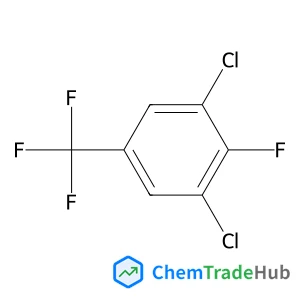
CAS Number
Related Products

2-Bromo-4-fluorobenzaldehyde
CAS Number: 59142-68-6
![N-[7-(Dimethylsulfamoyl)-2,1,3-benzoxadiazol-4-yl]-N-methylglycyl chloride](https://static.chemtradehub.com/structs/156/156153-43-4-e00e.webp)
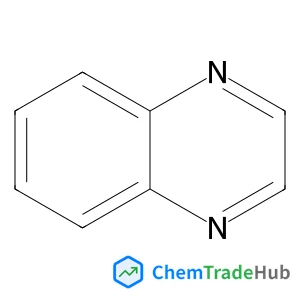
Quinoxaline
CAS Number: 91-19-0
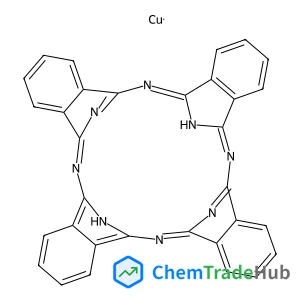
Copper(2+) phthalocyanine-6,30-diide
CAS Number: 147-14-8
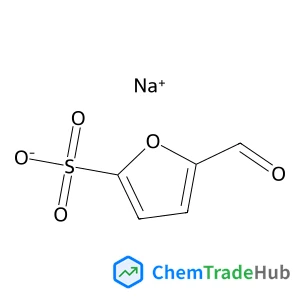
Sodium 5-formyl-2-furansulfonate
CAS Number: 31795-44-5
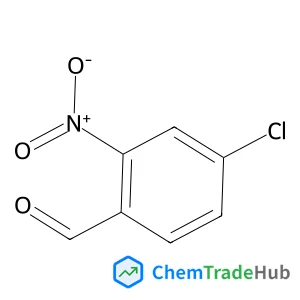
4-Chloro-2-nitrobenzaldehyde
CAS Number: 5551-11-1
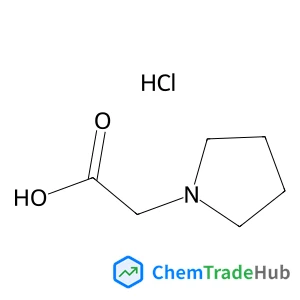

1,2-Dimethoxy-3-methylbenzene
CAS Number: 4463-33-6

5-Bromo-2-chloropyridine
CAS Number: 53939-30-3
Other Suppliers for 1,3-Dichloro-2-fluoro-5-(trifluoromethyl)benzene






Basic Information
Molecular Formula
C7H2Cl2F4
Molecular Weight
232.99 g/mol
Physical Properties
Boiling Point
166-168 °C(lit.)
Density
1.555 g/mL at 25 °C(lit.)
Chemical Identifiers
SMILES
C1=C(C=C(C(=C1Cl)F)Cl)C(F)(F)F
InChIKey
BWQFQKZDLBJZAW-UHFFFAOYSA-N
Database References
MDL Number
MFCD00068183
Beilstein Registry Number
6199573
FAQ
The compound 1,3-Dichloro-2-fluoro-5-(trifluoromethyl)benzene (CAS: 77227-81-7) is classified as a hazardous substance under the Globally Harmonized System of Classification and Labeling of Chemicals (GHS). It is subject to stringent regulations such as REACH in the European Union, which requires manufacturers to register the substance and provide safety data sheets. Additionally, it is regulated by the FDA and EPA in the United States for any intended use in consumer or industrial products.
Yes, there are alternative reagents and compounds that can be used in synthesis. For instance, 1,3-Dichloro-2-fluoro-5-(trifluoromethyl)benzene (CAS: 77227-81-7) can be replaced by other halogenated benzenes with different substituents, such as 1,3-Dichloro-2-fluorobenzene, or by using different fluorinated or chlorinated intermediates depending on the required product. These alternatives can vary in reactivity and availability, influencing the choice of the most suitable reagent.
The market for 1,3-Dichloro-2-fluoro-5-(trifluoromethyl)benzene (CAS: 77227-81-7) is evolving with increasing focus on sustainable chemical alternatives. Research trends are shifting towards the development of greener and more environmentally friendly compounds, and there is a growing interest in the use of this compound in specialized applications such as pharmaceuticals and high-performance polymers. However, due to its hazardous nature, there is also a push for safer and more benign alternatives in both industrial and research settings.
Handling waste containing 1,3-Dichloro-2-fluoro-5-(trifluoromethyl)benzene (CAS: 77227-81-7) requires adherence to strict environmental and safety protocols. Waste should be collected in appropriate, leak-proof containers and stored in a designated area until disposal. For proper incineration, it should be shredded to ensure complete combustion, and the process should be conducted in a controlled, specialized incinerator. Professional waste disposal services should be used, and the disposal method should comply with local and international environmental regulations to prevent contamination of the environment.
Safety Notice
Please verify product specifications and safety data before use. Contact the supplier for detailed safety information.
Always follow proper handling procedures
Contact Information
cdhxsj@163.com
Mobile
13458535857
Telephone
400-1166-196
Fax
028-84555506
Visit Website
https://www.hx-r.com