



AD
4-Methyl-2-phenyl-1,3-dioxolane(CAS: 2568-25-4)
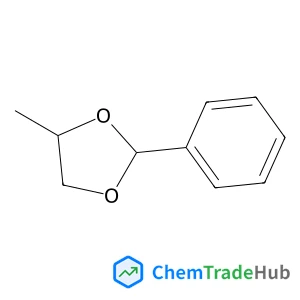
CAS Number
Related Products
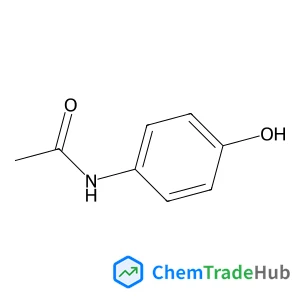
Acetaminophen
CAS Number: 103-90-2

Silicon Dioxide
CAS Number: 61790-53-2
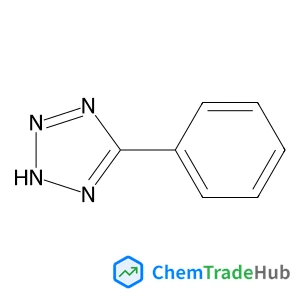
5-Phenyl-1H-Tetrazole
CAS Number: 18039-42-4

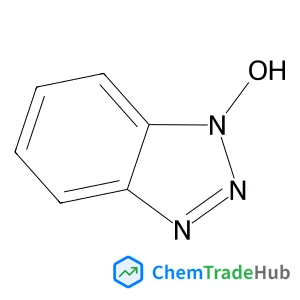
1H-Benzotriazol-1-ol
CAS Number: 2592-95-2
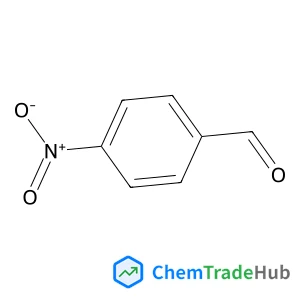
4-Nitrobenzaldehyde
CAS Number: 555-16-8
![1,1,2-Trimethyl-1H-benzo[e]indole](https://static.chemtradehub.com/structs/415/41532-84-7-e43f.webp)
1,1,2-Trimethyl-1H-benzo[e]indole
CAS Number: 41532-84-7

PEG300
CAS Number: 25322-68-3

7-Hydroxy-6,8-dimethoxy-2H-chromen-2-one
CAS Number: 486-21-5
Other Suppliers for 4-Methyl-2-phenyl-1,3-dioxolane





Basic Information
Molecular Formula
C10H12O2
Molecular Weight
164.2 g/mol
Physical Properties
Boiling Point
125°C/24mmHg(lit.)
Flash Point
>110 ºC
Chemical Identifiers
SMILES
CC1COC(O1)c2ccccc2
InChIKey
CDIKGISJRLTLRA-UHFFFAOYSA-N
Database References
MDL Number
MFCD00059732
FAQ
4-Methyl-2-phenyl-1,3-dioxolane (CAS: 2568-25-4) falls under the classification of organic compounds and is subject to regulatory guidelines such as the Globally Harmonized System of Classification and Labelling of Chemicals (GHS) for safety data sheets and hazard communication. In the European Union, it is covered by REACH regulations. The FDA and EPA may have specific requirements for its handling, storage, and disposal. Always refer to the most current regulations and local guidelines for detailed information.
While 4-Methyl-2-phenyl-1,3-dioxolane (CAS: 2568-25-4) is a useful compound, there are alternative reagents such as cyclic ethers or other dioxolanes that can be used in synthesis. Common alternatives include 2-Phenyl-1,3-dithiane and 2-Phenyl-1,3-dioxane. These alternatives may offer similar functionality but with different chemical properties and may require different handling and synthesis conditions.
The market for 4-Methyl-2-phenyl-1,3-dioxolane (CAS: 2568-25-4) is driven by its applications in organic synthesis, particularly in the pharmaceutical and chemical industries. Research trends indicate a focus on the development of new compounds and formulations that can enhance the performance of existing products. Price trends vary, and the market is influenced by supply chain factors and demand from industries such as pharmaceuticals, polymer chemistry, and fine chemicals.
Waste containing 4-Methyl-2-phenyl-1,3-dioxolane (CAS: 2568-25-4) should be handled according to local and international environmental regulations. It is recommended to collect waste in appropriate containers and dispose of it through professional waste disposal services. Incineration is a common method of disposal, but ensure that it meets the required emission standards. Recycling is not typically feasible for this compound, and it should be disposed of in a manner that minimizes environmental impact and adheres to safety and regulatory guidelines.
Safety Notice
Please verify product specifications and safety data before use. Contact the supplier for detailed safety information.
Always follow proper handling procedures
Contact Information
yaqing@ycgmp.com