



AD
1-Bromo-2-chloro-3-fluorobenzene(CAS: 883499-24-9)
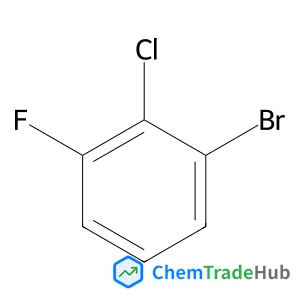
CAS Number
Related Products
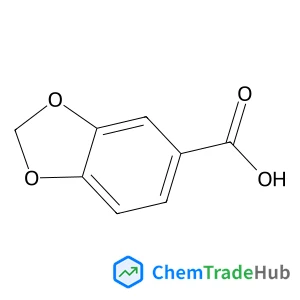
1,3-Benzodioxole-5-carboxylic acid
CAS Number: 94-53-1
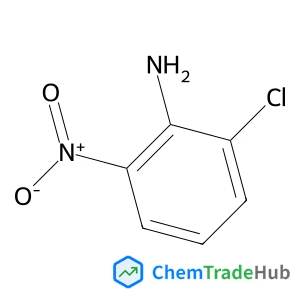
2-Chloro-6-nitroaniline
CAS Number: 769-11-9
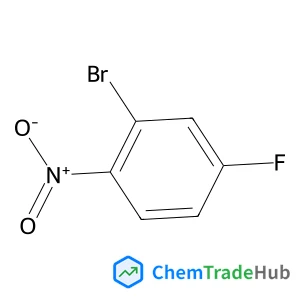
2-Bromo-4-fluoro-1-nitrobenzene
CAS Number: 700-36-7
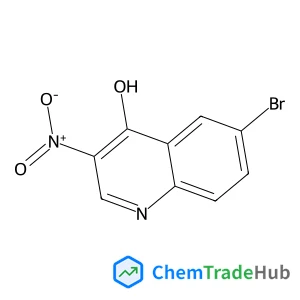
6-Bromo-3-nitro-4-quinolinol
CAS Number: 853908-50-6

1-(2-Fluorophenyl)methanamine
CAS Number: 89-99-6
Other Suppliers for 1-Bromo-2-chloro-3-fluorobenzene





Basic Information
Molecular Formula
C6H3BrClF
Molecular Weight
209.45 g/mol
Physical Properties
Flash Point
29 °C
Chemical Identifiers
SMILES
C1=CC(=C(C(=C1)Br)Cl)F
InChIKey
GTIWFNAUYPVPAT-UHFFFAOYSA-N
Database References
MDL Number
MFCD04038306
FAQ
1-Bromo-2-chloro-3-fluorobenzene is a colorless to yellowish solid with a molecular weight of approximately 221.01 g/mol. It has a low solubility in water but is soluble in organic solvents like ethanol and acetone. Its reactivity is moderate, with potential for substitution reactions. It crystallizes in the monoclinic system. This compound is used in organic synthesis and as a starting material for further derivatization.
1-Bromo-2-chloro-3-fluorobenzene is typically synthesized via the Friedel-Crafts alkylating agent reaction or through halogenation of 1,2-dichloro-3-fluorobenzene using bromine. The reaction is catalyzed by aluminum bromide, and the product is isolated by recrystallization. This method ensures high selectivity and yield, making it a reliable synthesis route.
1-Bromo-2-chloro-3-fluorobenzene is used in the pharmaceutical industry for the synthesis of complex organic molecules. It is also utilized in the polymer industry as a monomer precursor and in the semiconductor industry for the production of electronic materials. Additionally, it has applications in analytical chemistry and as a reagent in various organic transformations.
Handling 1-Bromo-2-chloro-3-fluorobenzene requires appropriate personal protective equipment (PPE) such as gloves, safety goggles, and a lab coat. It should be stored in a fume hood to minimize exposure. Spills should be cleaned up using appropriate absorbents, and the area should be well-ventilated. Always refer to the Safety Data Sheet (SDS) for detailed safety information and emergency procedures.
Safety Notice
Please verify product specifications and safety data before use. Contact the supplier for detailed safety information.
Always follow proper handling procedures
Contact Information
sdwhali@163.com