



AD
1,3-Dibromoacetone(CAS: 816-39-7)
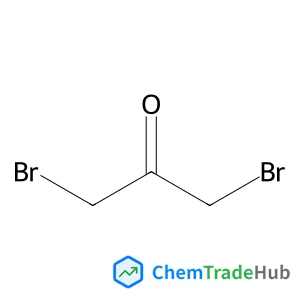
CAS Number
Related Products
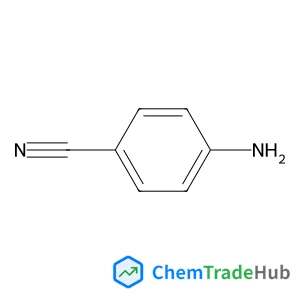
4-Aminobenzonitrile
CAS Number: 873-74-5
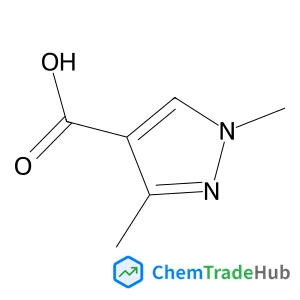
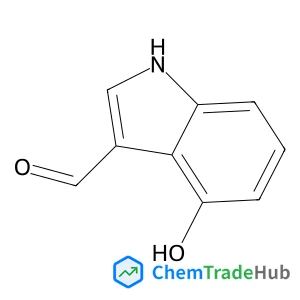
4-Hydroxy-1H-indole-3-carbaldehyde
CAS Number: 81779-27-3
![(2R)-2-[(9Z,12Z)-9,12-Octadecadienoyloxy]-3-(palmitoyloxy)propyl 2-(trimethylammonio)ethyl phosphate](https://static.chemtradehub.com/structs/800/8002-43-5-2322.webp)
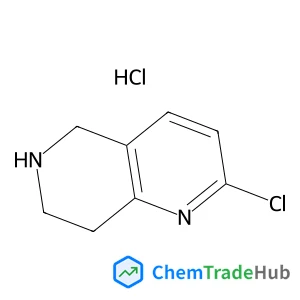
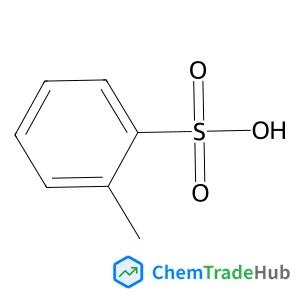
2-Toluenesulfonic acid
CAS Number: 88-20-0
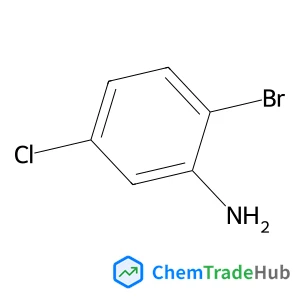
2-Bromo-5-chloroaniline
CAS Number: 823-57-4
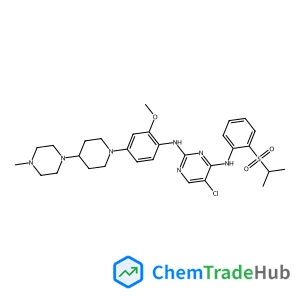
NVP-TAE 684
CAS Number: 761439-42-3
Other Suppliers for 1,3-Dibromoacetone





Basic Information
Molecular Formula
C3H4Br2O
Molecular Weight
215.87 g/mol
Physical Properties
Melting Point
25-30°C
Boiling Point
95 ºC (p=20 torr)
Density
2.12
Flash Point
97-98°C/21mm
Chemical Identifiers
SMILES
C(C(=O)CBr)Br
InChIKey
LQQKDSXCDXHLLF-UHFFFAOYSA-N
Database References
MDL Number
MFCD00013540
Beilstein Registry Number
1740389
FAQ
1,3-Dibromoacetone (CAS: 816-39-7) is regulated under various guidelines. It is classified according to the Globally Harmonized System of Classification and Labeling of Chemicals (GHS), which requires it to be stored and handled with caution due to its flammability and reactivity. Additionally, it falls under the European Chemicals Agency's (ECHA) REACH regulations, which mandate reporting of its uses and safety data sheets (SDS) for proper handling. The Food and Drug Administration (FDA) and Environmental Protection Agency (EPA) have specific guidelines for the testing and disposal of this compound to ensure public and environmental safety.
While 1,3-Dibromoacetone (CAS: 816-39-7) is a versatile compound, alternatives include bromoacetaldehyde and other brominated acetones, depending on the synthesis requirements. Isomers such as 2-bromoacetone can also be used. For specific applications, researchers often explore alternatives like 1-bromopropane or other brominated compounds. The choice of alternative largely depends on the desired reaction outcomes and the availability of the reagents.
The market for 1,3-Dibromoacetone (CAS: 816-39-7) is driven by its use in the synthesis of various organic compounds, particularly in the pharmaceutical and agrochemical industries. Research trends focus on its use as a precursor in the production of chiral compounds and in the development of new materials. There is also increasing interest in its role in catalytic reactions and as a functional group in organic synthesis. Market demand is expected to grow with advancements in these areas, although regulatory challenges and safety concerns need to be addressed.
Waste containing 1,3-Dibromoacetone (CAS: 816-39-7) should be managed carefully to ensure safety and compliance. Collection of waste should be done in sealed, leak-proof containers labeled appropriately. Disposal should be carried out by a professional hazardous waste management company, following local and national regulations. Environmental precautions include proper ventilation and protective clothing for handlers. Incineration is a common method of disposal, but it must be performed in an enclosed incinerator to prevent emissions. Always refer to the most current safety data sheet (SDS) for specific disposal instructions and local regulations.
Safety Notice
Please verify product specifications and safety data before use. Contact the supplier for detailed safety information.
Always follow proper handling procedures
Contact Information
sale@parabiochem.com