



AD
Di-1-pyrrolidinylmethanone(CAS: 81759-25-3)
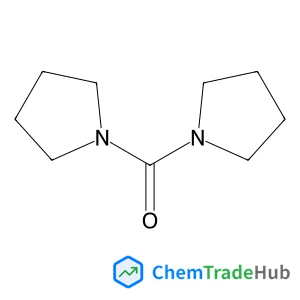
CAS Number
Related Products
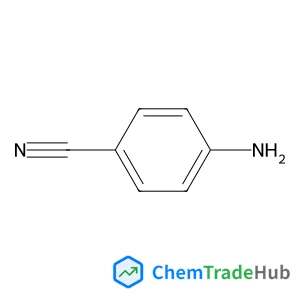
4-Aminobenzonitrile
CAS Number: 873-74-5
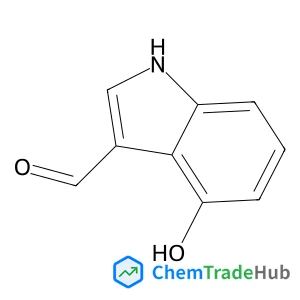
4-Hydroxy-1H-indole-3-carbaldehyde
CAS Number: 81779-27-3
![(2R)-2-[(9Z,12Z)-9,12-Octadecadienoyloxy]-3-(palmitoyloxy)propyl 2-(trimethylammonio)ethyl phosphate](https://static.chemtradehub.com/structs/800/8002-43-5-2322.webp)
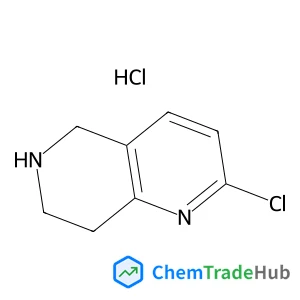
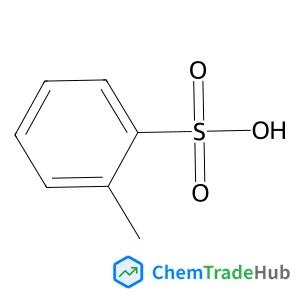
2-Toluenesulfonic acid
CAS Number: 88-20-0
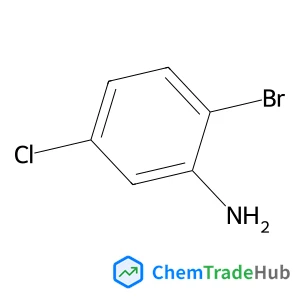
2-Bromo-5-chloroaniline
CAS Number: 823-57-4
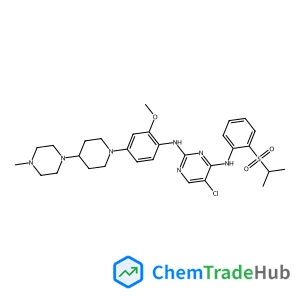
NVP-TAE 684
CAS Number: 761439-42-3
Other Suppliers for Di-1-pyrrolidinylmethanone



Basic Information
Molecular Formula
C9H16N2O
Molecular Weight
168.24 g/mol
Physical Properties
Boiling Point
148-150℃
Density
1.086
Flash Point
113 ºC
Water Solubility
Slightly soluble in water.
Chemical Identifiers
SMILES
C1CCN(C1)C(=O)N2CCCC2
InChIKey
HPTQKSXAQBHFKL-UHFFFAOYSA-N
Database References
MDL Number
MFCD00216641
FAQ
Di-1-pyrrolidinylmethanone (CAS: 81759-25-3) must adhere to the Global Harmonized System of Classification and Labelling of Chemicals (GHS) for hazard communication. In the European Union, it falls under the European Chemicals Agency (ECHA) REACH regulations. For use in the United States, it is regulated by the Environmental Protection Agency (EPA) and the Food and Drug Administration (FDA) based on its intended application. Ensure compliance with local and national regulations regarding storage, handling, and disposal.
Yes, there are alternatives to Di-1-pyrrolidinylmethanone (CAS: 81759-25-3) in synthesis. Common alternatives include other cyclic ketones such as cyclic ethers or aldehydes, depending on the specific synthesis requirements. Isomers and analogs like acetals or ketals can also be used as substitutes, offering similar functionalities but with different reactivity and solubility properties.
The market for Di-1-pyrrolidinylmethanone (CAS: 81759-25-3) is growing due to its applications in pharmaceuticals and fine chemicals. Research trends focus on its use as a precursor in organic synthesis, particularly in the development of complex molecules and potential therapeutic agents. The trend is also driven by increasing demand in the cosmetic and fragrance industries.
Waste containing Di-1-pyrrolidinylmethanone (CAS: 81759-25-3) should be collected in suitable, properly labeled containers. Incineration is a common disposal method, but ensure compliance with local regulations. Professional waste disposal services are recommended for handling large quantities or hazardous waste. Always follow safety precautions and consult the Material Safety Data Sheet (MSDS) for specific disposal instructions.
Safety Notice
Please verify product specifications and safety data before use. Contact the supplier for detailed safety information.
Always follow proper handling procedures
Contact Information
sale@parabiochem.com