



AD
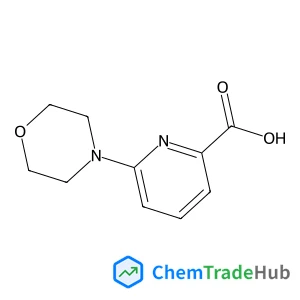
6-(4-Morpholinyl)-2-pyridinecarboxylic acid(CAS: 554405-17-3)
CAS Number
Related Products
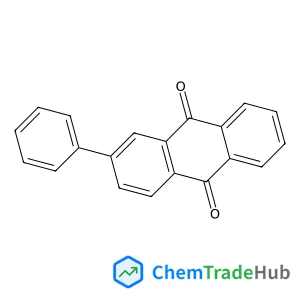
2-Phenyl-9,10-anthraquinone
CAS Number: 6485-97-8
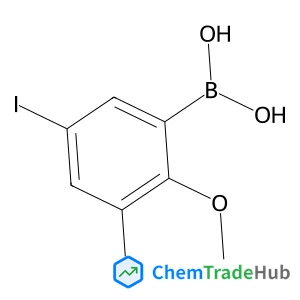
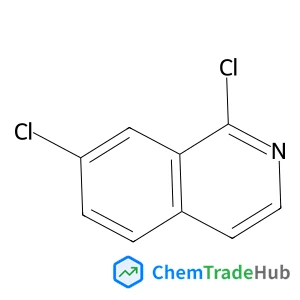
1,7-Dichloroisoquinoline
CAS Number: 70810-24-1
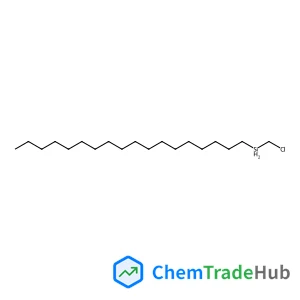
Silane, chloromethyloctadecyl-
CAS Number: 124694-97-9
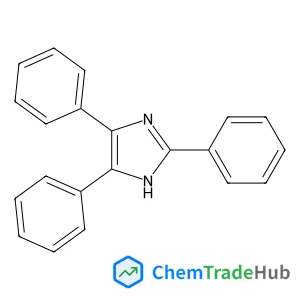
2,4,5-Triphenyl-1H-imidazole
CAS Number: 484-47-9
![[4-(Difluoromethoxy)phenyl]acetonitrile](https://static.chemtradehub.com/structs/414/41429-16-7-ae43.webp)
Other Suppliers for 6-(4-Morpholinyl)-2-pyridinecarboxylic acid






Basic Information
Molecular Formula
C10H12N2O3
Molecular Weight
208.22 g/mol
Physical Properties
Melting Point
127 °C
Boiling Point
454.1°C at 760 mmHg
Density
1.313
Flash Point
228.4°C
Chemical Identifiers
SMILES
C1COCCN1C2=CC=CC(=N2)C(=O)O
InChIKey
SAZSDHZXRMXESN-UHFFFAOYSA-N
Database References
MDL Number
MFCD03965867
FAQ
6-(4-Morpholinyl)-2-pyridinecarboxylic acid (CAS: 554405-17-3) is subject to regulatory guidelines such as GHS classification, which includes specific hazard communication requirements. In the European Union, it falls under the scope of REACH regulations, which require manufacturers and importers to register chemical substances and prepare safety data sheets. The FDA and EPA may also have specific requirements for its use in pharmaceuticals or environmental protection, respectively.
There are several alternatives to 6-(4-Morpholinyl)-2-pyridinecarboxylic acid (CAS: 554405-17-3) that can be used in synthesis, such as related pyridine derivatives or morpholine-based compounds. Common alternative reagents include 2-pyridinecarboxylic acid and various morpholine analogs, which can offer similar functional groups or properties depending on the specific application.
The market for 6-(4-Morpholinyl)-2-pyridinecarboxylic acid (CAS: 554405-17-3) is driven by its applications in the pharmaceutical industry, particularly in the development of anti-inflammatory agents and other medicinal chemistry projects. Research trends are focusing on optimizing synthetic methods and exploring its potential in new therapeutic areas. Additionally, there is growing interest in the environmental impact and sustainability of its production and use.
Waste containing 6-(4-Morpholinyl)-2-pyridinecarboxylic acid (CAS: 554405-17-3) should be collected in appropriate containers and disposed of through professional waste disposal services. Environmental protection measures include ensuring the waste is neutralized and treated to minimize environmental impact. Incineration is a common method for disposal, but it should be conducted in compliance with local regulations. Proper storage and handling are crucial to prevent the release of harmful substances into the environment.
Safety Notice
Please verify product specifications and safety data before use. Contact the supplier for detailed safety information.
Always follow proper handling procedures
Contact Information
Contact Person
Li Jun
2801519207@qq.com