



AD
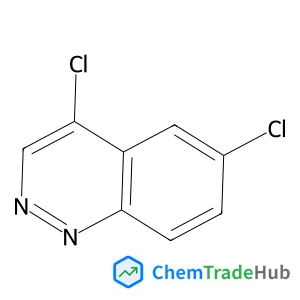
4,6-Dichlorocinnoline(CAS: 68211-13-2)
CAS Number
Related Products
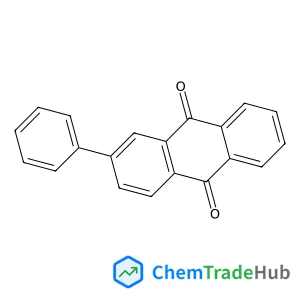
2-Phenyl-9,10-anthraquinone
CAS Number: 6485-97-8
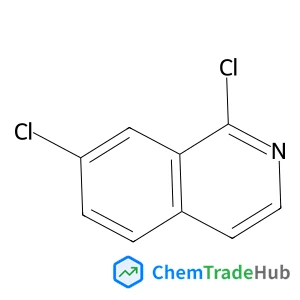
1,7-Dichloroisoquinoline
CAS Number: 70810-24-1
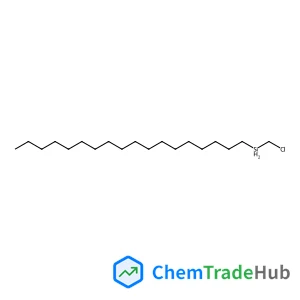
Silane, chloromethyloctadecyl-
CAS Number: 124694-97-9
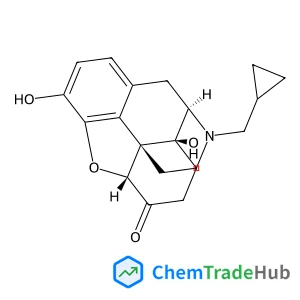
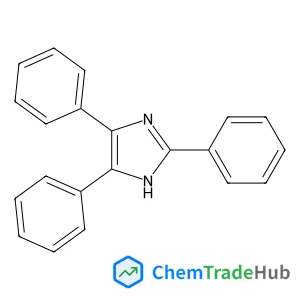
2,4,5-Triphenyl-1H-imidazole
CAS Number: 484-47-9
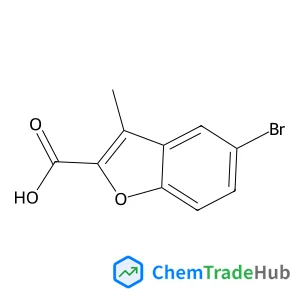
![[4-(Difluoromethoxy)phenyl]acetonitrile](https://static.chemtradehub.com/structs/414/41429-16-7-ae43.webp)
Other Suppliers for 4,6-Dichlorocinnoline









Basic Information
Molecular Formula
C8H4Cl2N2
Molecular Weight
199.04 g/mol
Physical Properties
Boiling Point
325.1±45.0℃/760mmHg
Density
1.486
Chemical Identifiers
SMILES
C1=CC2=C(C=C1Cl)C(=CN=N2)Cl
InChIKey
JODYTPOPHDEHOP-UHFFFAOYSA-N
Database References
MDL Number
MFCD27996597
FAQ
4,6-Dichlorocinnoline (CAS: 68211-13-2) is classified under the Globally Harmonized System of Classification and Labelling of Chemicals (GHS) as a toxic and reactive substance. In Europe, it falls under REACH regulations requiring notification and registration. FDA and EPA may require specific labeling and handling guidelines based on its use in pharmaceuticals and pesticides. For safety and compliance, consult the latest regulatory documents and MSDS.
Alternatives to 4,6-Dichlorocinnoline (CAS: 68211-13-2) in synthesis include 4-chlorocinnoline and 6-chlorocinnoline, which can serve as precursors. Other common reagents like 2-chloroisonicotinic acid can be used as substitutes. Researchers often explore isomers and analogs to find the most suitable compound for specific applications, optimizing both reactivity and yield.
The market for 4,6-Dichlorocinnoline (CAS: 68211-13-2) shows steady growth due to its application in pharmaceuticals and agrochemicals. Research trends focus on its use in drug discovery, particularly in antitumor and antimicrobial research. Price trends indicate a moderate increase due to its specialized use. Emerging research is exploring its potential in novel chemical synthesis and medicinal chemistry.
Waste containing 4,6-Dichlorocinnoline (CAS: 68211-13-2) should be properly collected in sealed, labeled containers to prevent leakage. Incineration is recommended for disposal, but ensure compliance with local regulations. Hazardous waste treatment facilities can provide professional disposal services. Always follow environmental and safety guidelines for handling and disposing of this toxic substance to minimize environmental impact.
Safety Notice
Please verify product specifications and safety data before use. Contact the supplier for detailed safety information.
Always follow proper handling procedures
Contact Information
Contact Person
Li Jun
2801519207@qq.com