



AD
Triethylsilyl acetate(CAS: 5290-29-9)
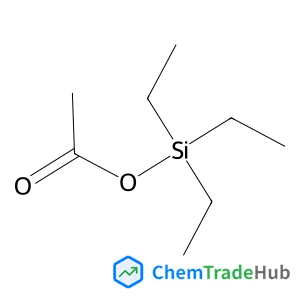
CAS Number
Related Products
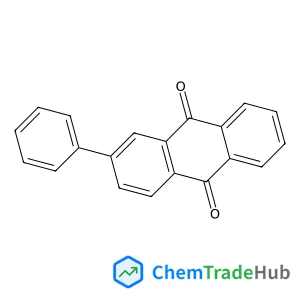
2-Phenyl-9,10-anthraquinone
CAS Number: 6485-97-8
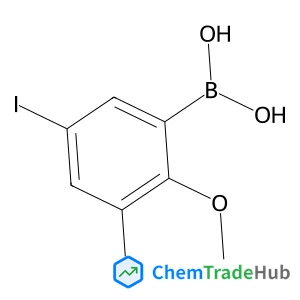
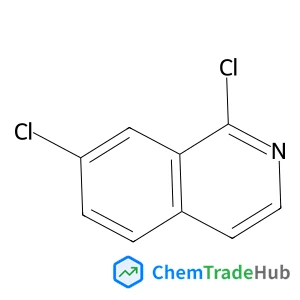
1,7-Dichloroisoquinoline
CAS Number: 70810-24-1
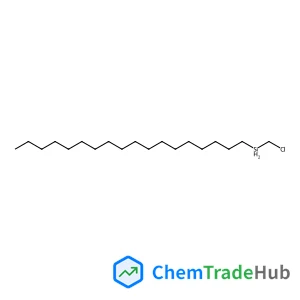
Silane, chloromethyloctadecyl-
CAS Number: 124694-97-9
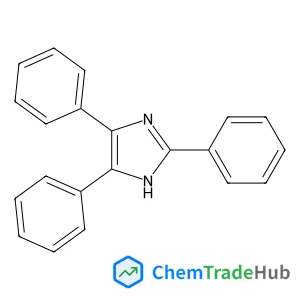
2,4,5-Triphenyl-1H-imidazole
CAS Number: 484-47-9
![[4-(Difluoromethoxy)phenyl]acetonitrile](https://static.chemtradehub.com/structs/414/41429-16-7-ae43.webp)
Other Suppliers for Triethylsilyl acetate
Basic Information
Molecular Formula
C8H18O2Si
Molecular Weight
174.32 g/mol
Physical Properties
Boiling Point
173-4°C
Flash Point
41°C
Chemical Identifiers
SMILES
CC[Si](CC)(CC)OC(=O)C
InChIKey
AAURKQPZJJMXER-UHFFFAOYSA-N
Database References
MDL Number
MFCD00053749
FAQ
Triethylsilyl acetate (CAS: 5290-29-9) is a colorless, volatile liquid with a molecular weight of approximately 216.4 g/mol. It is slightly soluble in water but miscible with organic solvents. The compound has a low boiling point and is reactive towards acidic and basic conditions, making it suitable for use in specific synthetic applications. It crystallizes under vacuum conditions and can be stored at room temperature away from moisture and light.
Triethylsilyl acetate (CAS: 5290-29-9) is typically synthesized by reacting acetate esters with triethylsilyl chloride in the presence of a base such as imidazole. The reaction is exothermic and proceeds to give a high yield of the desired product. The process is carried out under anhydrous conditions to minimize side reactions and impurities. The use of this method ensures high purity and selectivity in the final product.
Triethylsilyl acetate (CAS: 5290-29-9) finds application in various industries, including pharmaceuticals, where it is used as a protecting group in organic synthesis, and in the synthesis of polymers. It is also utilized in the production of electronic materials due to its ability to form stable silicon derivatives, which are essential in semiconductor technology. Additionally, it is used in the fabrication of sensors and other materials requiring controlled reactivity and stability.
When handling Triethylsilyl acetate (CAS: 5290-29-9), it is essential to wear appropriate personal protective equipment (PPE), including gloves, goggles, and a laboratory coat. The storage should be in a cool, well-ventilated area away from heat sources and incompatible materials. Fume hoods should be used during handling to minimize exposure to vapors. Spills should be cleaned up immediately using appropriate absorbent materials and flushed with water. Always refer to the Safety Data Sheet (SDS) for detailed safety information and emergency procedures.
Safety Notice
Please verify product specifications and safety data before use. Contact the supplier for detailed safety information.
Always follow proper handling procedures
Contact Information
Contact Person
Li Jun
2801519207@qq.com