



AD
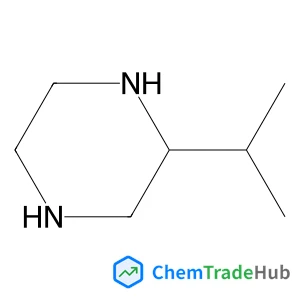
2-Isopropylpiperazine(CAS: 84468-53-1)
CAS Number
Related Products
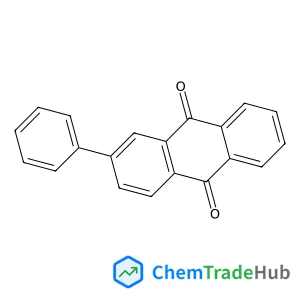
2-Phenyl-9,10-anthraquinone
CAS Number: 6485-97-8
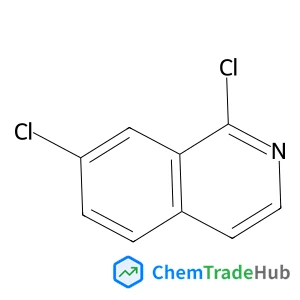
1,7-Dichloroisoquinoline
CAS Number: 70810-24-1
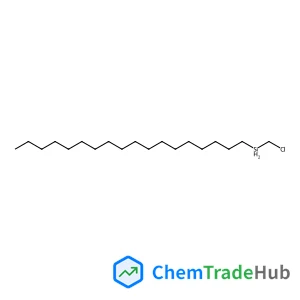
Silane, chloromethyloctadecyl-
CAS Number: 124694-97-9
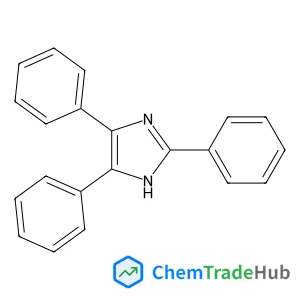
2,4,5-Triphenyl-1H-imidazole
CAS Number: 484-47-9
![[4-(Difluoromethoxy)phenyl]acetonitrile](https://static.chemtradehub.com/structs/414/41429-16-7-ae43.webp)
Other Suppliers for 2-Isopropylpiperazine




Basic Information
Molecular Formula
C7H16N2
Molecular Weight
128.22 g/mol
Physical Properties
Boiling Point
184.1±8.0 ºC (760 Torr),
Density
0.851±0.06 g/cm3 (20 ºC 760 Torr),
Flash Point
64.6±10.2 ºC,
Chemical Identifiers
SMILES
CC(C)C1CNCCN1
InChIKey
HBCSNWKQNPKIHK-UHFFFAOYSA-N
Database References
MDL Number
MFCD07373042
FAQ
2-Isopropylpiperazine (CAS: 84468-53-1) is subject to regulatory guidelines such as the Globally Harmonized System of Classification and Labeling of Chemicals (GHS), REACH regulations in the European Union, and FDA/EPA requirements in the United States. It is classified as a hazardous substance due to its potential for skin and eye irritation. Companies handling this compound must comply with GHS labels and SDS (Safety Data Sheets) for proper storage and disposal.
Yes, there are alternatives to 2-Isopropylpiperazine (CAS: 84468-53-1) in synthesis. For example, 2-Methylpiperazine and 4-Methylpiperazine are often used as substitutes due to their similar chemical properties. These alternatives can offer similar functionalities in organic synthesis without the need for the specific isopropyl group found in 2-Isopropylpiperazine.
The market for 2-Isopropylpiperazine (CAS: 84468-53-1) is driven by its applications in pharmaceuticals, agrochemicals, and as a precursor in the synthesis of other compounds. Recent research trends focus on its use in developing new drugs and as an intermediate in the production of specialty chemicals. Market trends indicate increasing demand, especially in the pharmaceutical sector, due to its versatile chemical properties.
Waste containing 2-Isopropylpiperazine (CAS: 84468-53-1) should be collected and stored in appropriate, labeled containers to prevent environmental contamination. For disposal, the waste should be incinerated or treated by a professional hazardous waste disposal service. Proper precautions should include using personal protective equipment (PPE) and following local environmental regulations to ensure safe and compliant waste handling.
Safety Notice
Please verify product specifications and safety data before use. Contact the supplier for detailed safety information.
Always follow proper handling procedures
Contact Information
Contact Person
Li Jun
2801519207@qq.com