



AD
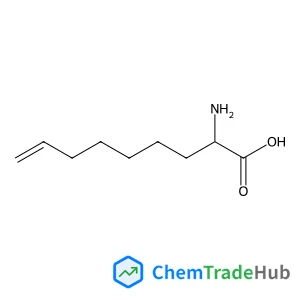
(2S)-2-Amino-8-nonenoic acid(CAS: 924307-76-6)
CAS Number
Related Products
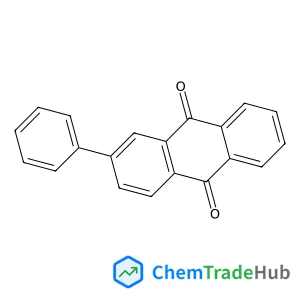
2-Phenyl-9,10-anthraquinone
CAS Number: 6485-97-8
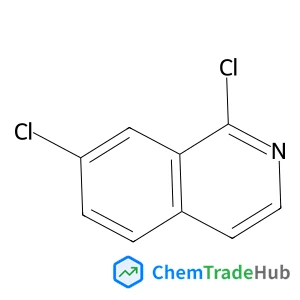
1,7-Dichloroisoquinoline
CAS Number: 70810-24-1
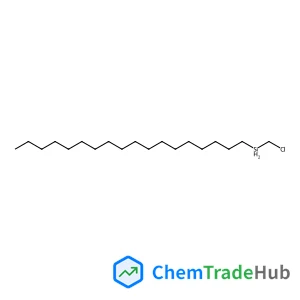
Silane, chloromethyloctadecyl-
CAS Number: 124694-97-9
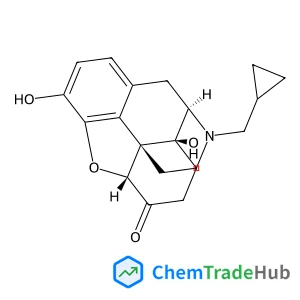
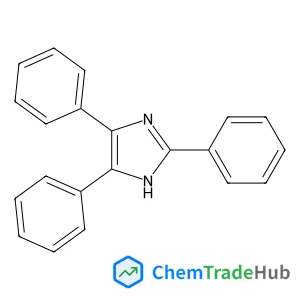
2,4,5-Triphenyl-1H-imidazole
CAS Number: 484-47-9
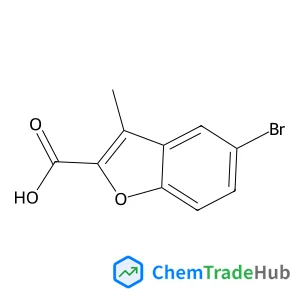
![[4-(Difluoromethoxy)phenyl]acetonitrile](https://static.chemtradehub.com/structs/414/41429-16-7-ae43.webp)
Other Suppliers for (2S)-2-Amino-8-nonenoic acid





Basic Information
Molecular Formula
C9H17NO2
Molecular Weight
171.24 g/mol
Physical Properties
Melting Point
200-201℃ (DEC.)
Boiling Point
303℃ at 760 mmHg
Density
1.002
Flash Point
137℃
Chemical Identifiers
SMILES
C=CCCCCCC(C(=O)O)N
InChIKey
LKMSSWRWDBZUFC-QMMMGPOBSA-N
Database References
MDL Number
MFCD11977264
FAQ
The (2S)-2-Amino-8-nonenoic acid (CAS: 924307-76-6) falls under the scope of REACH regulations in the European Union. In the USA, it is regulated by the FDA and EPA. It is classified as a hazardous substance under the Globally Harmonized System (GHS), requiring proper labeling and documentation. Specific safety data sheets (SDS) and compliance with local and international regulations are necessary for its handling and transport.
Yes, there are alternatives such as (2R)-2-Amino-8-nonenoic acid and other related amino acids that can serve as substitutes in synthesis. Commonly used reagents include (2S)-2-Amino-7-nonenoic acid and (2S)-2-Amino-9-nonenoic acid. These alternatives offer similar functionalities and can be utilized based on specific chemical requirements and availability.
The market for (2S)-2-Amino-8-nonenoic acid (CAS: 924307-76-6) is showing steady growth due to its applications in pharmaceuticals and biotechnology. Research trends are focusing on its use as an intermediate in drug synthesis and as a bioactive compound. The global market is anticipated to expand with increasing demand from pharmaceutical companies and research institutions.
Waste containing (2S)-2-Amino-8-nonenoic acid (CAS: 924307-76-6) should be collected in appropriate containers and labeled as hazardous waste. Proper incineration or professional waste disposal services should be employed. Environmental protection measures include ensuring no leakage and proper cleaning of work areas. All disposal methods should comply with local and international environmental regulations to prevent pollution.
Safety Notice
Please verify product specifications and safety data before use. Contact the supplier for detailed safety information.
Always follow proper handling procedures
Contact Information
Contact Person
Li Jun
2801519207@qq.com