



AD
2,2-Difluoroacetamide(CAS: 359-38-6)
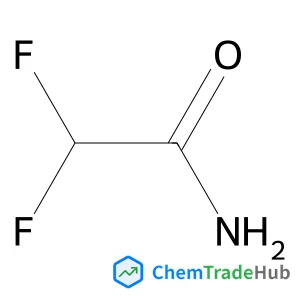
CAS Number
Related Products
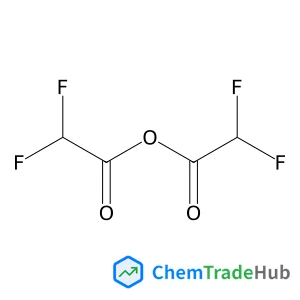
Difluoroacetic anhydride
CAS Number: 401-67-2
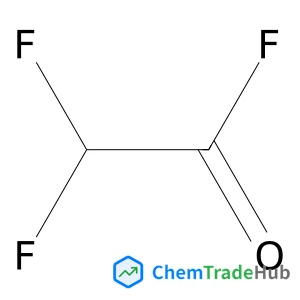
Difluoroacetyl fluoride
CAS Number: 2925-22-6
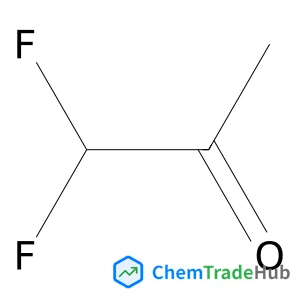
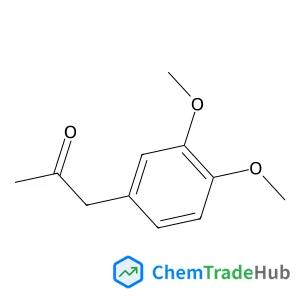
1,1-Difluoroacetone
CAS Number: 431-05-0
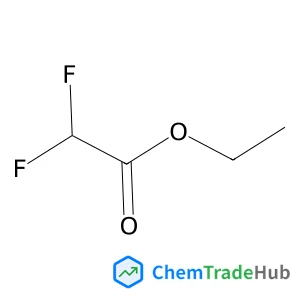
Ethyl difluoroacetate
CAS Number: 454-31-9
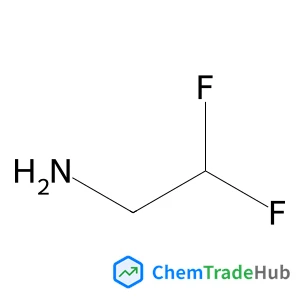
2,2-Difluoroethanamine
CAS Number: 430-67-1
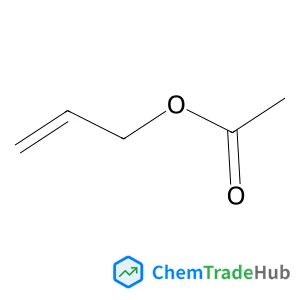
Allyl acetate
CAS Number: 591-87-7
Difluoroacetic acid
CAS Number: 381-73-7
3,4-Dimethoxybenzaldehyde
CAS Number: 120-14-9
Other Suppliers for 2,2-Difluoroacetamide





Basic Information
Molecular Formula
C2H3F2NO
Molecular Weight
95.05 g/mol
Chemical Identifiers
SMILES
C(C(=O)N)(F)F
InChIKey
ZMIBIIAWFMCVFD-UHFFFAOYSA-N
Database References
MDL Number
MFCD01896431
FAQ
2,2-Difluoroacetamide (CAS: 359-38-6) is regulated under the Globally Harmonized System of Classification and Labelling of Chemicals (GHS) as a skin and eye irritant. In Europe, it is also subject to the Registration, Evaluation, Authorisation and Restriction of Chemicals (REACH) regulation. The Food and Drug Administration (FDA) may require reporting under the Toxic Substances Control Act (TSCA) for certain uses. The Environmental Protection Agency (EPA) oversees its use in the United States, particularly concerning environmental releases and disposal.
Several alternatives to 2,2-Difluoroacetamide (CAS: 359-38-6) exist, including 2,2-Dichloroacetamide and 2,2-Dibromoacetamide, which can be used as precursors in similar reactions. Other strategies include the use of fluorinated acetic acids or amides, which can offer similar functionality with different handling characteristics.
The market for 2,2-Difluoroacetamide (CAS: 359-38-6) is driven by its use in the synthesis of fluorinated compounds, particularly in pharmaceuticals and agrochemicals. Research trends are focusing on its use as a key intermediate in developing new drugs and crop protection agents. Recent studies are also exploring its role in the preparation of bioactive molecules, with an increasing emphasis on sustainable and eco-friendly synthesis methods.
Waste containing 2,2-Difluoroacetamide (CAS: 359-38-6) should be collected in appropriate containers and labeled as hazardous. Disposal should follow local, national, and international regulations, typically involving incineration or professional chemical waste disposal services. Environmental protection measures include ensuring no spillage occurs during handling and that waste is neutralized before disposal to minimize environmental impact.
Safety Notice
Please verify product specifications and safety data before use. Contact the supplier for detailed safety information.
Always follow proper handling procedures
Contact Information
Contact Person
18253396367
hmh3310678@163.com