



AD
2-Bromo-3,5-diiodopyridine(CAS: 885952-14-7)
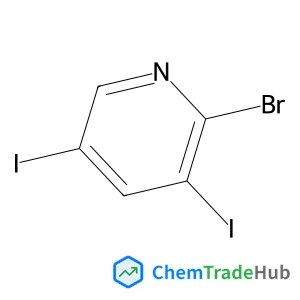
CAS Number
Related Products
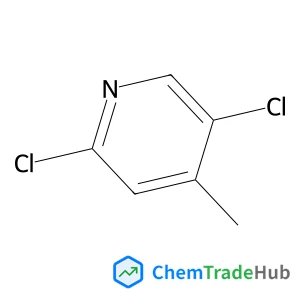
2,5-Dichloro-4-methylpyridine
CAS Number: 886365-00-0
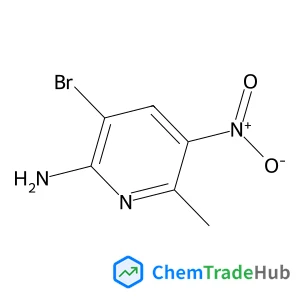
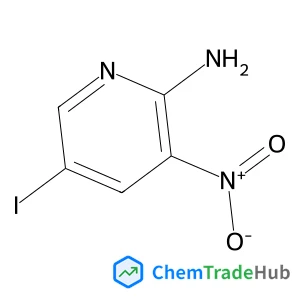
5-Iodo-3-nitro-2-pyridinamine
CAS Number: 25391-57-5
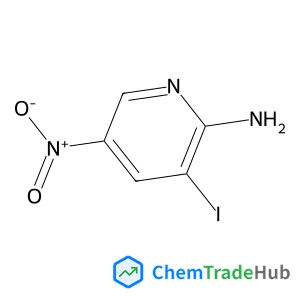
3-iodo-5-nitro-pyridin-2-amine
CAS Number: 25391-56-4
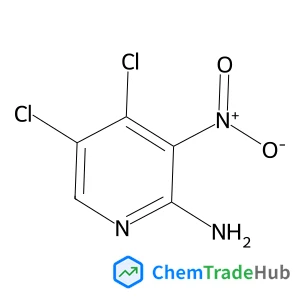
4,5-Dichloro-3-nitro-2-pyridinamine
CAS Number: 662116-67-8
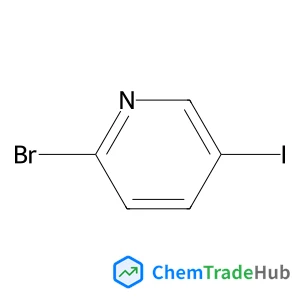
2-Bromo-5-iodopyridine
CAS Number: 73290-22-9
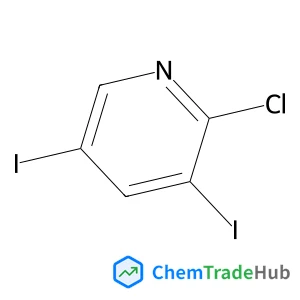
2-Chloro-3,5-diiodopyridine
CAS Number: 856169-60-3
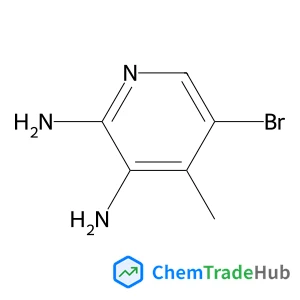
5-bromo-4-methyl-pyridine-2,3-diamine
CAS Number: 41230-93-7
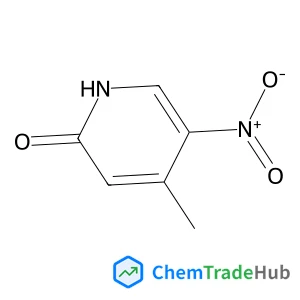
4-methyl-5-nitro-pyridin-2-ol
CAS Number: 21901-41-7
Other Suppliers for 2-Bromo-3,5-diiodopyridine





Basic Information
Molecular Formula
C5H2BrI2N
Molecular Weight
409.79 g/mol
Physical Properties
Density
2.865
Chemical Identifiers
SMILES
C1=C(C=NC(=C1I)Br)I
InChIKey
SCQXRSNMDARXSB-UHFFFAOYSA-N
Database References
MDL Number
MFCD06798228
FAQ
2-Bromo-3,5-diiodopyridine (CAS: 885952-14-7) falls under the classification of Hazardous Chemicals under the GHS (Globally Harmonized System of Classification and Labeling of Chemicals). It is regulated under REACH (Registration, Evaluation, Authorization and Restriction of Chemicals) in the European Union, which requires manufacturers and importers to register substances above one tonne per year. In the USA, it is regulated by the EPA (Environmental Protection Agency) and may be subject to additional FDA (Food and Drug Administration) requirements depending on its intended use.
There are several alternatives to 2-Bromo-3,5-diiodopyridine in synthesis, depending on the specific application. Common alternatives include 2-Iodo-3,5-dibromopyridine and 2-Bromo-3,5-dichloropyridine. Other analogous compounds like 2-Iodo-3-bromopyridine or 3,5-Dibromo-2-chloropyridine can also be used as substitutes based on the desired functional groups and reactivity.
The market for 2-Bromo-3,5-diiodopyridine (CAS: 885952-14-7) is currently niche but growing, particularly in the areas of pharmaceuticals and materials science. Research trends indicate increasing interest in its use as a precursor in organic synthesis and as a building block for complex molecules. The price trend for this compound is stable, but demand is expected to rise as more research and applications are developed, especially in high-value sectors like drug discovery and advanced materials.
Waste containing 2-Bromo-3,5-diiodopyridine (CAS: 885952-14-7) should be collected in proper containers and stored under appropriate safety measures to prevent leakage or spillage. It should be disposed of via incineration or other professional waste disposal methods to ensure compliance with environmental regulations. Precautions include wearing personal protective equipment (PPE), ensuring proper ventilation, and following local waste management guidelines. It is advisable to consult with hazardous waste disposal professionals for safe and compliant disposal.
Safety Notice
Please verify product specifications and safety data before use. Contact the supplier for detailed safety information.
Always follow proper handling procedures