



AD
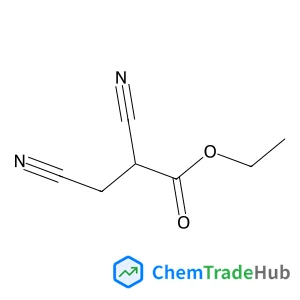
Ethyl 2,3-dicyanopropanoate(CAS: 40497-11-8)
CAS Number
Related Products
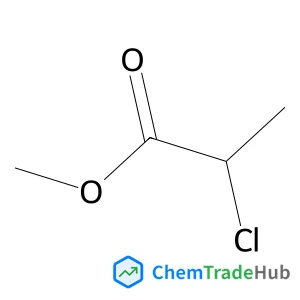
(-)-Methyl Alpha-Chloropropionate
CAS Number: 73246-45-4
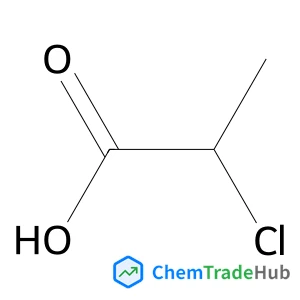
(R)-(+)-2-Chloropropionic Acid
CAS Number: 7474-05-7
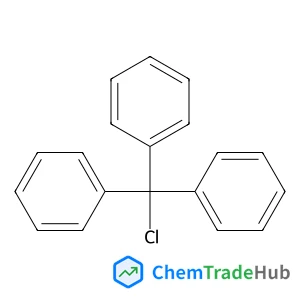
1,1',1''-(Chloromethanetriyl)tribenzene
CAS Number: 76-83-5
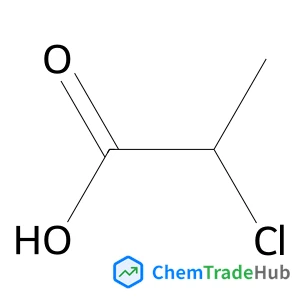
(2S)-2-Chloropropanoic acid
CAS Number: 29617-66-1
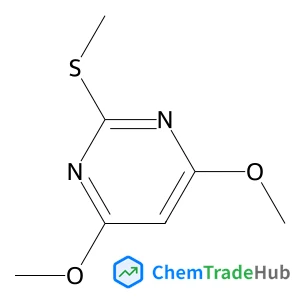
4,6-Dimethoxy-2-methylthiopyrimidine
CAS Number: 90905-46-7
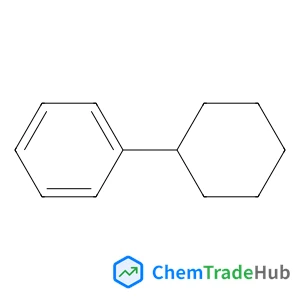
cyclohexylbenzene
CAS Number: 827-52-1
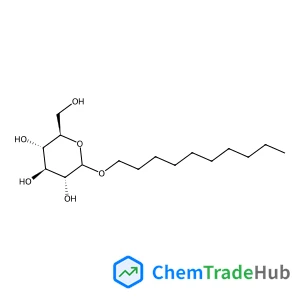
Decyl D-glucopyranoside
CAS Number: 141464-42-8
Other Suppliers for Ethyl 2,3-dicyanopropanoate






Basic Information
Molecular Formula
C7H8N2O2
Molecular Weight
152.15 g/mol
Physical Properties
Boiling Point
140°C/1mmHg(lit.)
Flash Point
170ºC
Chemical Identifiers
SMILES
CCOC(=O)C(CC#N)C#N
InChIKey
NPZOLWMDTPEVEI-UHFFFAOYSA-N
Database References
MDL Number
MFCD08061844
FAQ
Ethyl 2,3-dicyanopropanoate (CAS: 40497-11-8) should comply with the REACH regulations in the EU, which require registration, evaluation, authorization, and restriction of chemicals. It is also subject to OSHA and EPA regulations in the United States. The compound is classified as a hazardous substance under the Globally Harmonized System of Classification and Labelling of Chemicals (GHS), with specific hazard categories and corresponding safety data sheets (SDS) required.
While Ethyl 2,3-dicyanopropanoate (CAS: 40497-11-8) is a specific reagent, alternatives include other cyanate esters like methyl 2,3-dicyanopropanoate or isocyanates, which can serve similar functions in certain synthetic pathways. The choice of alternative depends on the specific reaction conditions and desired product properties.
The market for Ethyl 2,3-dicyanopropanoate (CAS: 40497-11-8) is driven by its use in the synthesis of polyurea and polyurethane materials, which are widely used in coatings, adhesives, and elastomers. Research trends indicate a focus on developing more sustainable and environmentally friendly alternatives, as well as exploring new applications in advanced materials and functional polymers.
Waste containing Ethyl 2,3-dicyanopropanoate (CAS: 40497-11-8) should be collected in appropriate containers and disposed of using professional waste disposal services. It can be incinerated under controlled conditions to ensure complete destruction of the compound. Environmental protection measures include proper containment to prevent leaks and the use of personal protective equipment (PPE) during handling. Compliance with local hazardous waste regulations is essential.
Safety Notice
Please verify product specifications and safety data before use. Contact the supplier for detailed safety information.
Always follow proper handling procedures
Contact Information
sales@qshchem.com