



AD
N-(5-Chloro-2-nitrophenyl)acetamide(CAS: 5443-33-4)
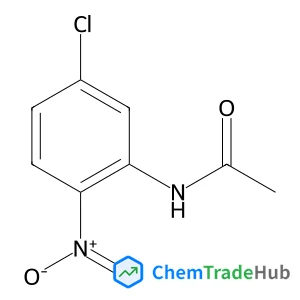
CAS Number
Related Products
![2-[(1S)-4-Methyl-3-cyclohexen-1-yl]-2-propanol](https://static.chemtradehub.com/structs/104/10482-56-1-9412.webp)
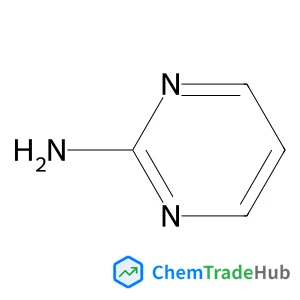
2(1H)-Pyrimidinimine
CAS Number: 109-12-6
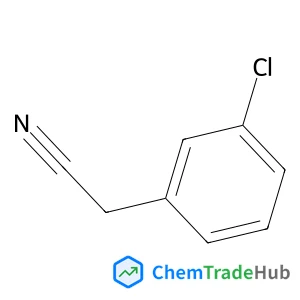
(3-Chlorophenyl)acetonitrile
CAS Number: 1529-41-5
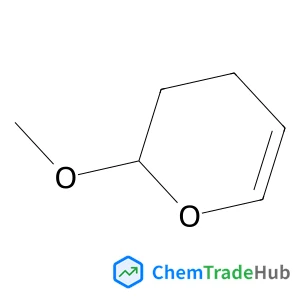
2-methoxy-3,4-dihydro-2H-pyran
CAS Number: 4454-05-1
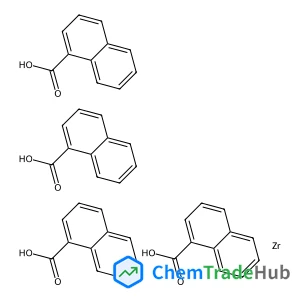
Zirconium(4+) tetra(1-naphthoate)
CAS Number: 72854-21-8
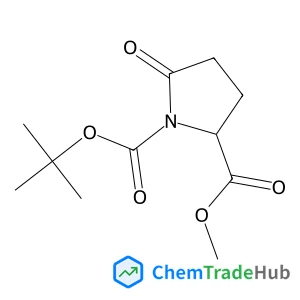
Other Suppliers for N-(5-Chloro-2-nitrophenyl)acetamide




Basic Information
Molecular Formula
C8H7ClN2O3
Molecular Weight
214.6 g/mol
Chemical Identifiers
SMILES
CC(=O)NC1=C(C=CC(=C1)Cl)[N+](=O)[O-]
InChIKey
YWANGSCDWBUSBK-UHFFFAOYSA-N
Database References
MDL Number
MFCD00570730
FAQ
N-(5-Chloro-2-nitrophenyl)acetamide (CAS: 5443-33-4) must comply with various regulatory guidelines. It is classified under the Globally Harmonized System of Classification and Labeling of Chemicals (GHS) as a hazardous chemical. For European markets, REACH regulations apply, requiring manufacturers and importers to register the substance with the European Chemicals Agency. In the U.S., both FDA and EPA regulations mandate specific handling, storage, and reporting procedures. Compliance with these guidelines ensures safety and legal compliance in manufacturing and use.
While N-(5-Chloro-2-nitrophenyl)acetamide (CAS: 5443-33-4) is a useful intermediate in organic synthesis, there are alternative reagents that can be used. For example, N-(5-Chloro-2-nitrophenyl)methanesulfonamide or other acetamides with different substituents can serve as alternatives. These alternatives may offer varying reactivity and selectivity, making them suitable for different synthetic routes.
The market for N-(5-Chloro-2-nitrophenyl)acetamide (CAS: 5443-33-4) continues to show steady growth due to its importance as an intermediate in the pharmaceutical and agrochemical industries. Research trends are focusing on its use in developing new drugs and pesticides. Recent studies also highlight the potential of this compound in catalysis and as a building block for complex molecules. Market analysis indicates increasing demand, particularly from emerging economies with robust pharmaceutical sectors.
Waste containing N-(5-Chloro-2-nitrophenyl)acetamide (CAS: 5443-33-4) should be collected in appropriate containers and stored in a well-ventilated area. Proper labeling with the chemical name and CAS number is essential. The waste should then be disposed of through a professional waste disposal service that specializes in hazardous chemicals. Incineration is a common method for disposal, but specific techniques and safety protocols must be followed to ensure environmental compliance and safety. Environmental precautions include monitoring for any residual chlorinated compounds and ensuring that all waste is treated according to local and national regulations.
Safety Notice
Please verify product specifications and safety data before use. Contact the supplier for detailed safety information.
Always follow proper handling procedures
Contact Information
Contact Person
Manager Sun
13914000513@163.com
Mobile
13914000513
Visit Website
http://www.jsczhg.com/Address
Jiangsu Province Suzhou City