



AD
4-Chloro-1-phenyl-1H-pyrazole(CAS: 6831-92-1)
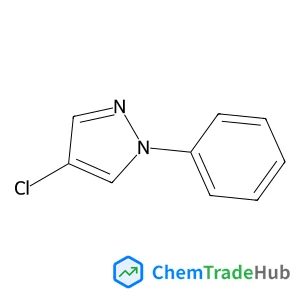
CAS Number
Related Products
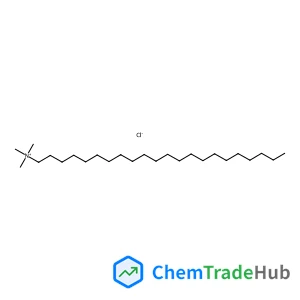
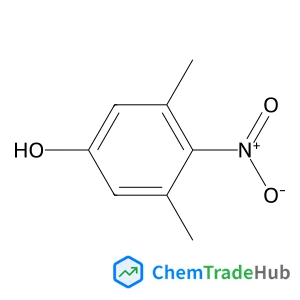
3,5-Dimethyl-4-nitrophenol
CAS Number: 5344-97-8
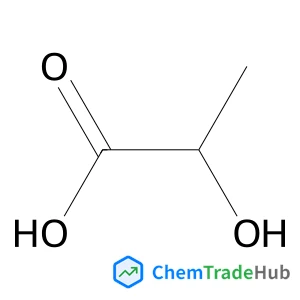
2-Hydroxypropanoic acid
CAS Number: 26100-51-6
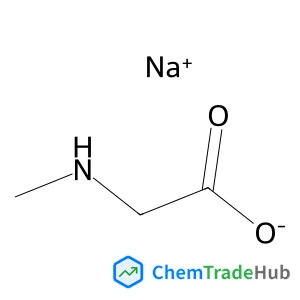
Sodium (methylamino)acetate
CAS Number: 4316-73-8
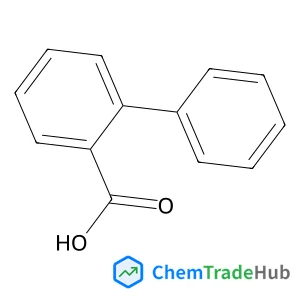
2-Biphenylcarboxylic acid
CAS Number: 947-84-2
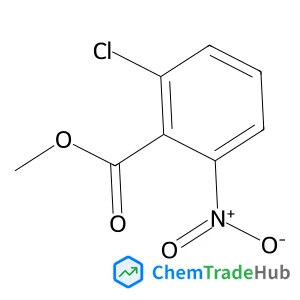
Methyl 2-chloro-6-nitrobenzoate
CAS Number: 80563-87-7
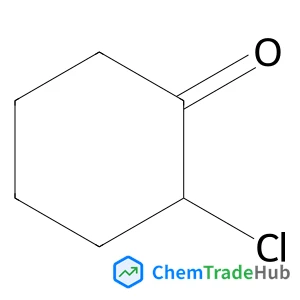
2-Chlorocyclohexanone
CAS Number: 822-87-7
Semaglutide
CAS Number: 910463-68-2
1,3,5-Tris(bromomethyl)benzene
CAS Number: 18226-42-1
Other Suppliers for 4-Chloro-1-phenyl-1H-pyrazole




Basic Information
Molecular Formula
C9H7ClN2
Molecular Weight
178.62 g/mol
Chemical Identifiers
SMILES
C1=CC=C(C=C1)N2C=C(C=N2)Cl
InChIKey
OAWHISBYSDFHHU-UHFFFAOYSA-N
Database References
MDL Number
MFCD00234512
FAQ
4-Chloro-1-phenyl-1H-pyrazole (CAS: 6831-92-1) is a crystalline solid with a molecular weight of approximately 208.6 g/mol. It is slightly soluble in water and has good solubility in organic solvents like dichloromethane and acetone. Chemically, it is known for its reactivity towards nucleophiles and electrophiles, making it useful in various synthetic transformations. It shows good thermal stability up to 250°C and is relatively stable in air and light.
4-Chloro-1-phenyl-1H-pyrazole (CAS: 6831-92-1) can be synthesized via a multi-step process involving nitrile hydrolysis followed by reduction and subsequent chlorination. A common method involves the reaction of 1-phenyl-1H-pyrazole with thionyl chloride in the presence of a suitable solvent like dichloromethane. This process yields the chlorinated compound with high selectivity and moderate to good yield.
4-Chloro-1-phenyl-1H-pyrazole (CAS: 6831-92-1) finds applications in pharmaceuticals for its potential as an intermediate in the synthesis of drug molecules. It is also utilized in the production of certain agricultural chemicals. Additionally, it holds promise in the development of sensors and as a material in semiconductor devices due to its unique chemical properties.
When handling 4-Chloro-1-phenyl-1H-pyrazole (CAS: 6831-92-1), it is essential to wear appropriate personal protective equipment (PPE) such as gloves, goggles, and a lab coat. Work should be conducted in a well-ventilated area or fume hood to minimize inhalation risks. If a spill occurs, it should be cleaned up using absorbent materials and the area should be flushed with water. Always refer to the Safety Data Sheet (SDS) for detailed safety information and emergency procedures.
Safety Notice
Please verify product specifications and safety data before use. Contact the supplier for detailed safety information.
Always follow proper handling procedures
Contact Information
Contact Person
Wang Junhong
sara@xtick.cn