



AD
Starch, oxidized(CAS: 65996-62-5)
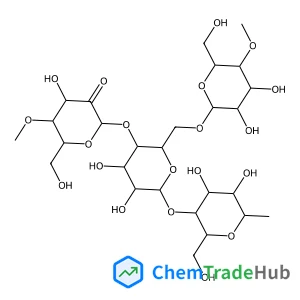
CAS Number
Related Products
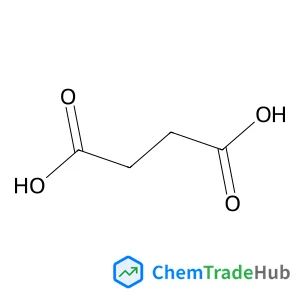
Succinic acid
CAS Number: 110-15-6
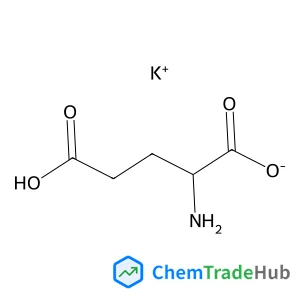
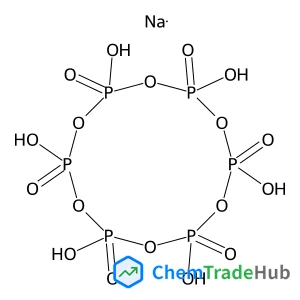
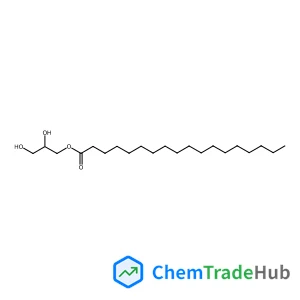
2,3-Dihydroxypropyl stearate
CAS Number: 123-94-4
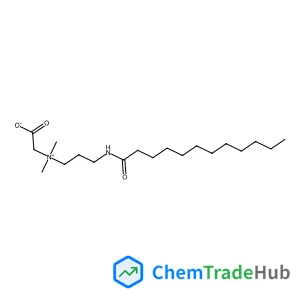
Lauramidopropyl betaine
CAS Number: 86438-79-1
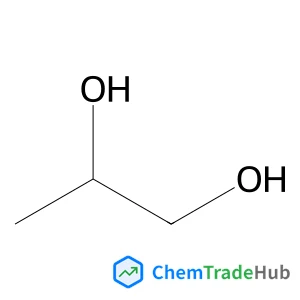
Propylene glycol
CAS Number: 57-55-6
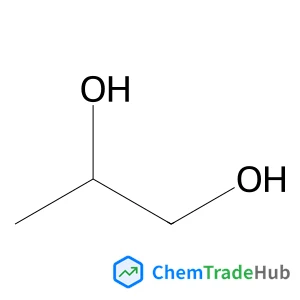
(2S)-1,2-Propanediol
CAS Number: 4254-15-3
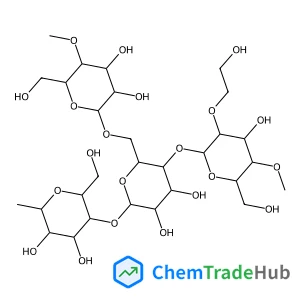
Hydroxyethyl cellulose
CAS Number: 9004-62-0
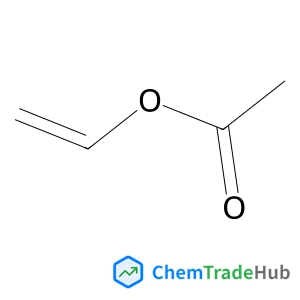
Vinyl acetate
CAS Number: 9003-20-7
Other Suppliers for Starch, oxidized

Basic Information
Molecular Formula
C27H46O20
Molecular Weight
690.64 g/mol
Chemical Identifiers
SMILES
O1C(C(C(C(C1COC1C(C(C(C(CO)O1)OC)O)O)OC1C(C(C(C(CO)O1)OC)O)=O)O)O)OC1C(CO)OC(C)C(C1O)O
InChIKey
XSFCCWULLRIRGA-UHFFFAOYSA-N
FAQ
Starch, oxidized (CAS: 65996-62-5) is a modified form of starch with increased solubility and reactivity due to the introduction of oxidized groups. It has a molecular weight ranging from 100,000 to 6,000,000 Da, depending on the degree of modification. This compound is soluble in hot water and has good film-forming properties. It reacts readily with various functional groups and can be used in a wide range of applications such as pharmaceuticals and food industry.
Starch, oxidized (CAS: 65996-62-5) is synthesized through the oxidation of starch using chemical oxidants like potassium permanganate or hydrogen peroxide in the presence of a catalyst. The oxidation process typically occurs at elevated temperatures and involves the introduction of carboxyl groups into the starch molecules. This method enhances the reactivity of the starch, making it suitable for various applications.
Starch, oxidized (CAS: 65996-62-5) is widely used in the pharmaceutical, food, textile, and paper industries. In the pharmaceutical sector, it serves as a binders and excipients in tablet formulation. In food applications, it acts as a thickener, stabilizer, and emulsifier. Additionally, it finds use in textile manufacturing as a sizing agent and in the paper industry as a coating and sizing material.
When handling Starch, oxidized (CAS: 65996-62-5), it is essential to wear appropriate personal protective equipment (PPE), including gloves, goggles, and a lab coat. Use a fume hood for any open handling to minimize inhalation risk. Spills should be cleaned up promptly with appropriate absorbent materials. For detailed safety information, consult the Safety Data Sheet (SDS) and follow all laboratory safety guidelines.
Safety Notice
Please verify product specifications and safety data before use. Contact the supplier for detailed safety information.
Always follow proper handling procedures
Contact Information
xuanyuanhuagong001@163.com