



AD
5-Bromo-4(3H)-pyrimidinone(CAS: 19808-30-1)
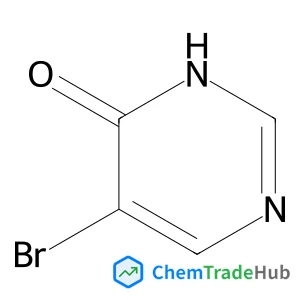
CAS Number
Related Products
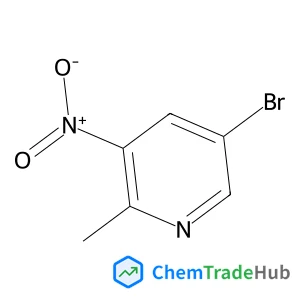
5-Bromo-2-methyl-3-nitropyridine
CAS Number: 911434-05-4
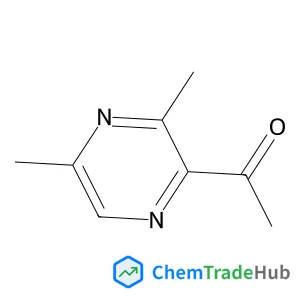
1-(3,5-Dimethyl-2-pyrazinyl)ethanone
CAS Number: 54300-08-2
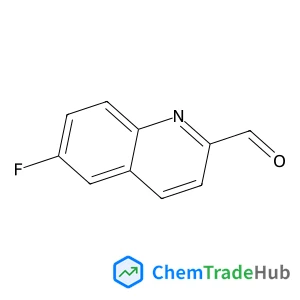
6-Fluoro-2-quinolinecarbaldehyde
CAS Number: 260430-93-1
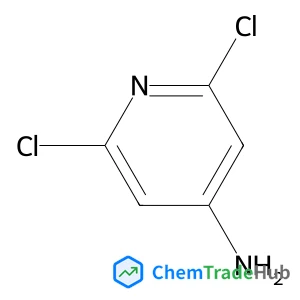
2,6-Dichloro-4-pyridinamine
CAS Number: 2587-02-2
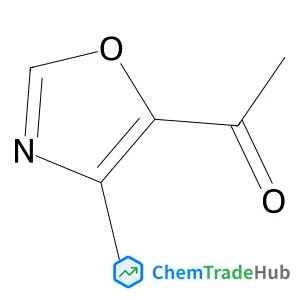
1-(4-methyloxazol-5-yl)ethan-1-one
CAS Number: 23012-19-3
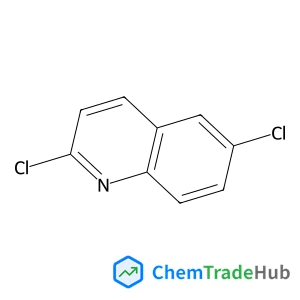
2,6-Dichloroquinoline
CAS Number: 1810-72-6
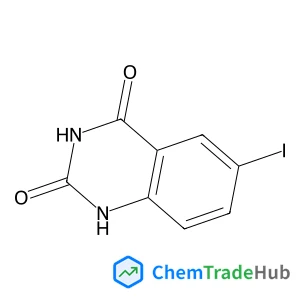
6-Iodo-2,4(1H,3H)-quinazolinedione
CAS Number: 16353-27-8
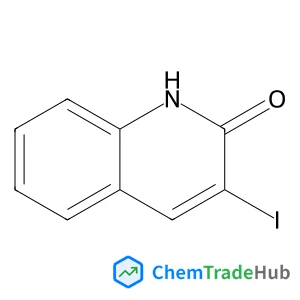
3-Iodoquinolin-2(1H)-one
CAS Number: 335649-85-9
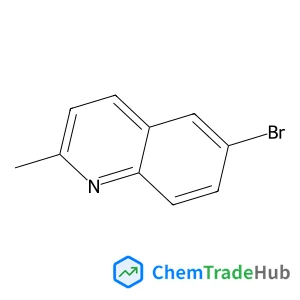
6-Bromo-2-methylquinoline
CAS Number: 877-42-9
Other Suppliers for 5-Bromo-4(3H)-pyrimidinone







Basic Information
Molecular Formula
C4H3BrN2O
Molecular Weight
174.98 g/mol
Physical Properties
Melting Point
198-200 ºC
Boiling Point
241 °C at 760 mmHg
Density
2
Flash Point
99.5 °C
Chemical Identifiers
SMILES
C1=C(C(=O)NC=N1)Br
InChIKey
CLJIGLPOBRSBNU-UHFFFAOYSA-N
Database References
MDL Number
MFCD00223740
FAQ
5-Bromo-4(3H)-pyrimidinone is a crystalline solid with a molecular weight of 235.03 g/mol. It is slightly soluble in water and ethanol. The compound exhibits moderate reactivity, particularly towards nucleophiles and reducing agents. It is stable under normal storage conditions but should be protected from moisture and light.
5-Bromo-4(3H)-pyrimidinone is synthesized via bromination of 4(3H)-pyrimidinone. Common methods include the use of N-bromosuccinimide (NBS) in the presence of a radical initiator. The reaction is typically carried out in dichloromethane (DCM) or other suitable organic solvents, providing high selectivity and yield.
5-Bromo-4(3H)-pyrimidinone is primarily used in the pharmaceutical industry for the synthesis of drug intermediates. It also finds applications in the polymer industry for the development of functional polymers, in the semiconductor industry for photoresists, and in the sensor industry for the fabrication of gas sensors.
When handling 5-Bromo-4(3H)-pyrimidinone, appropriate personal protective equipment (PPE) such as gloves, goggles, and a lab coat should be worn. This compound should be handled in a well-ventilated area or a fume hood to minimize exposure. Spills should be cleaned up using appropriate absorbent materials, and the area should be flushed with water. Always consult the Safety Data Sheet (SDS) for detailed handling and disposal information.
Safety Notice
Please verify product specifications and safety data before use. Contact the supplier for detailed safety information.
Always follow proper handling procedures
Contact Information
1519554262@qq.com