



AD
3-Iodoquinolin-2(1H)-one(CAS: 335649-85-9)
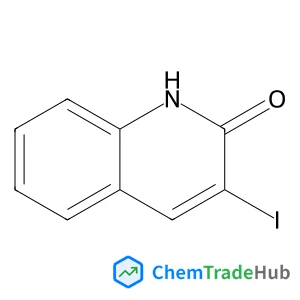
CAS Number
Related Products
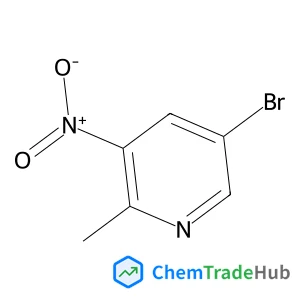
5-Bromo-2-methyl-3-nitropyridine
CAS Number: 911434-05-4
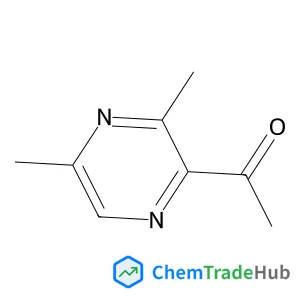
1-(3,5-Dimethyl-2-pyrazinyl)ethanone
CAS Number: 54300-08-2
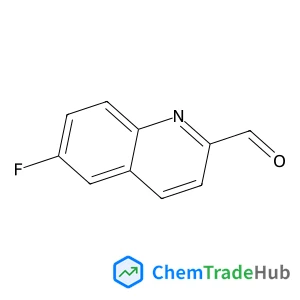
6-Fluoro-2-quinolinecarbaldehyde
CAS Number: 260430-93-1
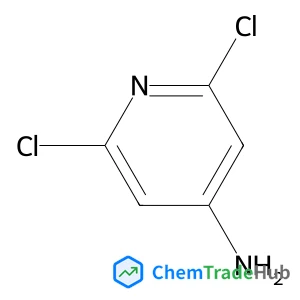
2,6-Dichloro-4-pyridinamine
CAS Number: 2587-02-2
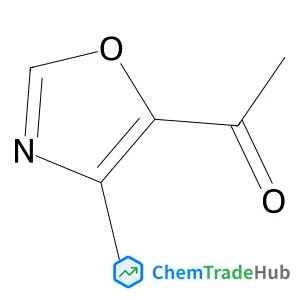
1-(4-methyloxazol-5-yl)ethan-1-one
CAS Number: 23012-19-3
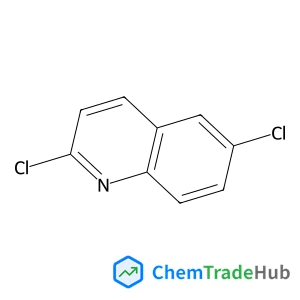
2,6-Dichloroquinoline
CAS Number: 1810-72-6
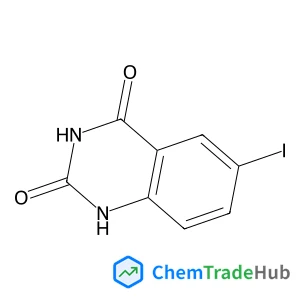
6-Iodo-2,4(1H,3H)-quinazolinedione
CAS Number: 16353-27-8
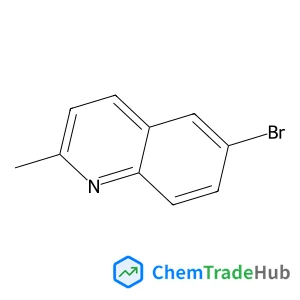
6-Bromo-2-methylquinoline
CAS Number: 877-42-9
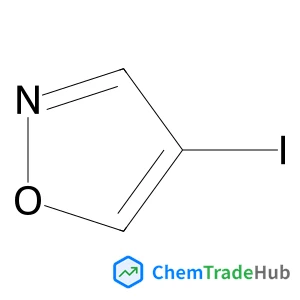
4-Iodo-1,2-oxazole
CAS Number: 847490-69-1
Other Suppliers for 3-Iodoquinolin-2(1H)-one




Basic Information
Molecular Formula
C9H6INO
Molecular Weight
271.06 g/mol
Chemical Identifiers
SMILES
C1=CC=C2C(=C1)C=C(C(=O)N2)I
InChIKey
ISNNDFAXILDTNJ-UHFFFAOYSA-N
Database References
MDL Number
MFCD26793524
FAQ
3-Iodoquinolin-2(1H)-one (CAS: 335649-85-9) is a crystalline solid with a molecular weight of approximately 266.04 g/mol. It is slightly soluble in water and soluble in organic solvents like ethanol and acetone. Chemically, it is moderately reactive, particularly towards nucleophiles and reducing agents. It does not decompose under normal storage conditions but may undergo hydrolysis with strong acids or bases.
3-Iodoquinolin-2(1H)-one can be synthesized by the iodination of quinolin-2(1H)-one using N-chlorosuccinimide (NCS) as an oxidant. The reaction typically occurs in dichloromethane or another suitable solvent, yielding a high selectivity and good overall yield. The reaction is sensitive to temperature and must be carried out under anhydrous conditions to avoid side reactions.
3-Iodoquinolin-2(1H)-one (CAS: 335649-85-9) is primarily used in pharmaceutical research for developing new drugs due to its unique chemical structure. It also has potential applications in the synthesis of certain polymers and as a precursor in the production of sensors and semiconductors.
When handling 3-Iodoquinolin-2(1H)-one (CAS: 335649-85-9), always use appropriate personal protective equipment (PPE), including gloves, goggles, and a lab coat. Work in a well-ventilated area or a fume hood to minimize exposure to vapors. Store the compound in a cool, dry place away from incompatible materials. In case of a spill, neutralize with an appropriate base and dispose of according to local regulations. Refer to the Safety Data Sheet (SDS) for detailed handling and disposal information.
Safety Notice
Please verify product specifications and safety data before use. Contact the supplier for detailed safety information.
Always follow proper handling procedures
Contact Information
1519554262@qq.com