



AD
1-(4-methyloxazol-5-yl)ethan-1-one(CAS: 23012-19-3)
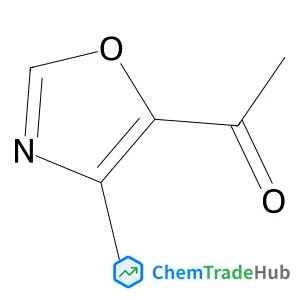
CAS Number
Related Products
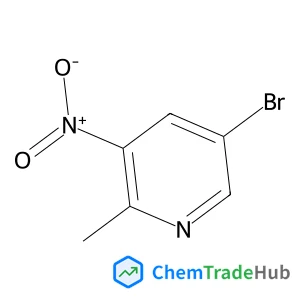
5-Bromo-2-methyl-3-nitropyridine
CAS Number: 911434-05-4
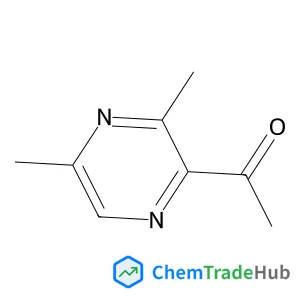
1-(3,5-Dimethyl-2-pyrazinyl)ethanone
CAS Number: 54300-08-2
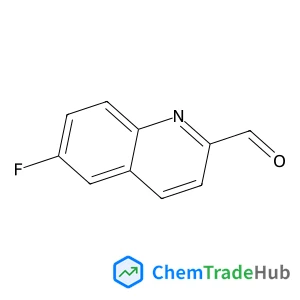
6-Fluoro-2-quinolinecarbaldehyde
CAS Number: 260430-93-1
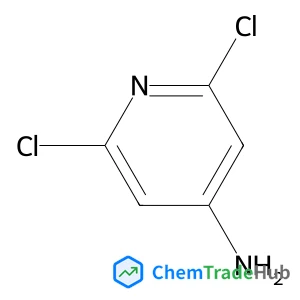
2,6-Dichloro-4-pyridinamine
CAS Number: 2587-02-2
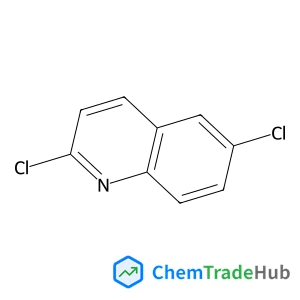
2,6-Dichloroquinoline
CAS Number: 1810-72-6
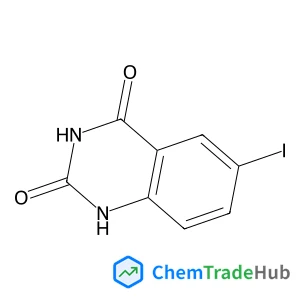
6-Iodo-2,4(1H,3H)-quinazolinedione
CAS Number: 16353-27-8
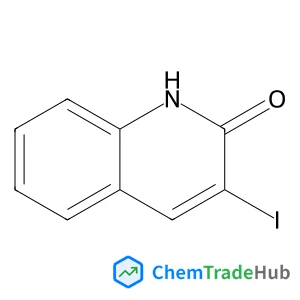
3-Iodoquinolin-2(1H)-one
CAS Number: 335649-85-9
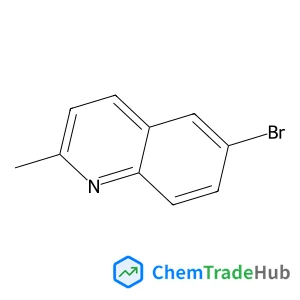
6-Bromo-2-methylquinoline
CAS Number: 877-42-9
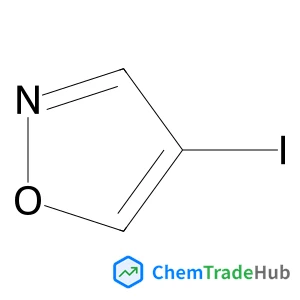
4-Iodo-1,2-oxazole
CAS Number: 847490-69-1
Other Suppliers for 1-(4-methyloxazol-5-yl)ethan-1-one




Basic Information
Molecular Formula
C6H7NO2
Molecular Weight
125.13 g/mol
Physical Properties
Boiling Point
190.592°C at 760 mmHg
Density
1.105
Flash Point
69.068°C
Chemical Identifiers
SMILES
CC1=C(OC=N1)C(=O)C
InChIKey
BYBRWPKBEPJABL-UHFFFAOYSA-N
Database References
MDL Number
MFCD11109866
FAQ
1-(4-methyloxazol-5-yl)ethan-1-one (CAS: 23012-19-3) is a crystalline solid with a molecular weight of approximately 186.21 g/mol. It has a low solubility in water but is soluble in organic solvents like ethanol and acetone. The compound is relatively stable under normal conditions but undergoes mild hydrolysis in the presence of strong acids or bases. It shows reactivity towards nucleophiles and can be used in various organic transformations such as addition reactions and condensation reactions.
1-(4-methyloxazol-5-yl)ethan-1-one (CAS: 23012-19-3) can be synthesized via the condensation of 4-methyl-5-oxazolamine with acetaldehyde using a catalytic amount of a strong acid like hydrochloric acid. The reaction is carried out under reflux conditions. The use of other catalysts such as p-toluenesulfonic acid or sulfuric acid can also be effective. The yield of the reaction is around 70-80% with good selectivity.
1-(4-methyloxazol-5-yl)ethan-1-one (CAS: 23012-19-3) is primarily used in the pharmaceutical industry as an intermediate in the synthesis of drug molecules. It is also utilized in the polymer industry for the preparation of functional polymers with enhanced properties. Additionally, it has applications in sensing technology, particularly in the development of biosensors, and in the semiconductor industry as a precursor for certain organic materials.
What precautions should be taken when handling 1-(4-methyloxazol-5-yl)ethan-1-one (CAS: 23012-19-3)?
When handling 1-(4-methyloxazol-5-yl)ethan-1-one (CAS: 23012-19-3), it is important to wear appropriate personal protective equipment (PPE) such as gloves and safety goggles. The compound should be handled in a well-ventilated area or in a fume hood to minimize inhalation risk. Spills should be cleaned up immediately using appropriate absorbents, and the area should be flushed with water. In case of skin contact, wash the affected area with soap and water. Always refer to the Safety Data Sheet (SDS) for detailed handling and emergency procedures.
Safety Notice
Please verify product specifications and safety data before use. Contact the supplier for detailed safety information.
Always follow proper handling procedures
Contact Information
1519554262@qq.com