



AD
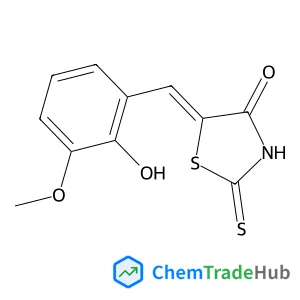
(5E)-5-(2-Hydroxy-3-methoxybenzylidene)-2-thioxo-1,3-thiazolidin-4-one(CAS: 99972-65-3)
CAS Number
Related Products
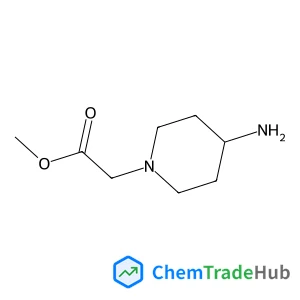
Methyl (4-amino-1-piperidinyl)acetate
CAS Number: 90152-50-4
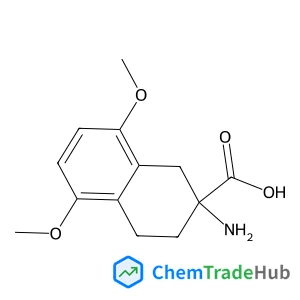
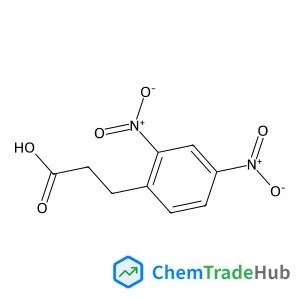
3-(2,4-Dinitrophenyl)propanoic acid
CAS Number: 90417-95-1
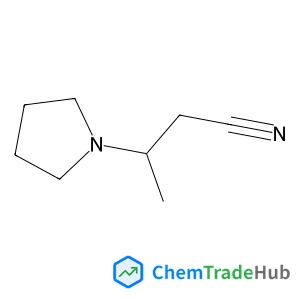
3-Pyrrolidin-1-ylbutanenitrile
CAS Number: 90152-61-7
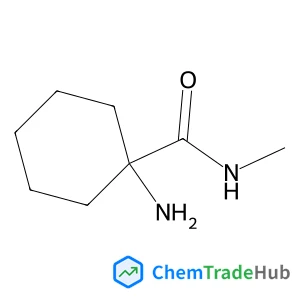
1-Amino-N-methylcyclohexanecarboxamide
CAS Number: 90152-17-3
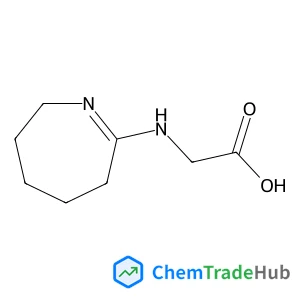
Other Suppliers for (5E)-5-(2-Hydroxy-3-methoxybenzylidene)-2-thioxo-1,3-thiazolidin-4-one





Basic Information
Molecular Formula
C11H9NO3S2
Molecular Weight
267.33 g/mol
Chemical Identifiers
SMILES
COC1=CC=CC(=C1O)C=C2C(=O)NC(=S)S2
InChIKey
QRTIHKBCRWQQGK-VMPITWQZSA-N
Database References
MDL Number
MFCD04969025
FAQ
(5E)-5-(2-Hydroxy-3-methoxybenzylidene)-2-thioxo-1,3-thiazolidin-4-one is a crystalline compound with a high molecular weight, showing good solubility in organic solvents. It exhibits excellent reactivity towards nucleophiles and can form stable adducts. This compound is known for its high thermal stability and low volatility. It is typically used in the preparation of bioactive molecules and other organic compounds.
(5E)-5-(2-Hydroxy-3-methoxybenzylidene)-2-thioxo-1,3-thiazolidin-4-one is synthesized via a condensation reaction between a thiosemicarbazide and a substituted benzaldehyde, catalyzed by a Lewis acid. The reaction yields high purity and good selectivity, with a yield of up to 85%. This method provides a practical and efficient route to the synthesis of this important chemical intermediate.
(5E)-5-(2-Hydroxy-3-methoxybenzylidene)-2-thioxo-1,3-thiazolidin-4-one finds application in the pharmaceutical industry for the synthesis of bioactive compounds, in polymer science for the development of new materials, and in the production of sensors and semiconductors. This compound is valued for its unique chemical properties and its ability to form stable adducts with various functional groups.
When handling (5E)-5-(2-Hydroxy-3-methoxybenzylidene)-2-thioxo-1,3-thiazolidin-4-one, it is important to use appropriate personal protective equipment (PPE) such as gloves, goggles, and lab coats. This compound should be handled in a well-ventilated area or a fume hood to minimize inhalation risks. Spills should be cleaned up immediately using appropriate procedures, and the substance is to be disposed of according to local regulations. Always refer to the Safety Data Sheet (SDS) for detailed handling and storage instructions.
Safety Notice
Please verify product specifications and safety data before use. Contact the supplier for detailed safety information.
Always follow proper handling procedures
Contact Information
info@syntechem.com