



AD
Methyl 2,5,6-trichloropyrimidine-4-carboxylate(CAS: 89284-85-5)
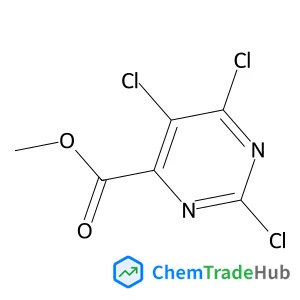
CAS Number
Related Products

2-Phenyl-9,10-anthraquinone
CAS Number: 6485-97-8
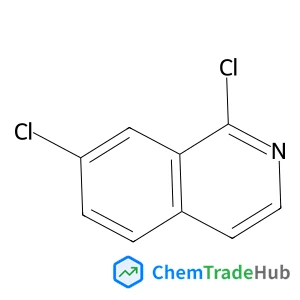
1,7-Dichloroisoquinoline
CAS Number: 70810-24-1
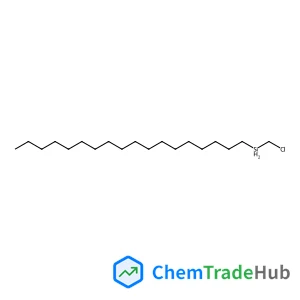
Silane, chloromethyloctadecyl-
CAS Number: 124694-97-9
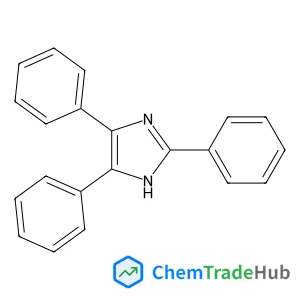
2,4,5-Triphenyl-1H-imidazole
CAS Number: 484-47-9
![[4-(Difluoromethoxy)phenyl]acetonitrile](https://static.chemtradehub.com/structs/414/41429-16-7-ae43.webp)
Other Suppliers for Methyl 2,5,6-trichloropyrimidine-4-carboxylate







Basic Information
Molecular Formula
C6H3Cl3N2O2
Molecular Weight
241.46 g/mol
Physical Properties
Melting Point
46-49°
Boiling Point
342.7℃ at 760 mmHg
Density
1.613±0.06 g/cm3 (20 ºC 760 Torr),
Chemical Identifiers
SMILES
COC(=O)C1=C(C(=NC(=N1)Cl)Cl)Cl
InChIKey
TVFOOGACHSHHSX-UHFFFAOYSA-N
Database References
MDL Number
MFCD12025876
FAQ
Methyl 2,5,6-trichloropyrimidine-4-carboxylate (CAS: 89284-85-5) is subject to the REACH regulations in the EU, which require manufacturers and importers to register substances with the European Chemicals Agency (ECHA) if they are produced or imported in quantities exceeding one tonne per year. It is also classified under the Globally Harmonized System of Classification and Labeling of Chemicals (GHS), which mandates specific hazard communication, such as proper labeling and safety data sheets. Additionally, the compound may be regulated under the Toxic Substances Control Act (TSCA) in the United States and the Environmental Protection Agency (EPA) guidelines.
Several alternatives to Methyl 2,5,6-trichloropyrimidine-4-carboxylate can be considered in synthesis, depending on the specific requirements of the reaction. Common alternatives include other pyrimidine derivatives with different substituents, such as methyl 2,5-dichloropyrimidine-4-carboxylate, or using different starting materials like 5-chloropyrimidine-2,4-dione. These alternatives may offer different reactivity profiles and synthetic advantages.
The market trend for Methyl 2,5,6-trichloropyrimidine-4-carboxylate is influenced by its applications in pharmaceuticals and agriculture. Research is ongoing to explore its potential in antimicrobial and herbicidal properties. Market trends show a steady demand, with increasing focus on sustainable and environmentally friendly formulations. Emerging research fields include the development of new synthetic routes and the exploration of its bioavailability and efficacy in various applications.
Waste containing Methyl 2,5,6-trichloropyrimidine-4-carboxylate (CAS: 89284-85-5) should be handled with caution due to its hazardous nature. Waste liquid should be collected in appropriate containers and neutralized if necessary. Incineration is a common method for disposal, but this should be conducted at a professional facility to ensure compliance with environmental regulations. Environmental protection precautions include proper containment to prevent leaks and spills, and regular monitoring of soil and water quality in the vicinity.
Safety Notice
Please verify product specifications and safety data before use. Contact the supplier for detailed safety information.
Always follow proper handling procedures
Contact Information
Contact Person
Li Jun
2801519207@qq.com