



AD
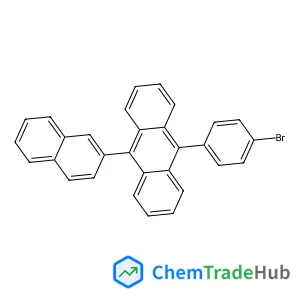
9-(4-Bromophenyl)-10-(naphthalen-2-yl)anthracene(CAS: 936854-62-5)
CAS Number
Related Products
![3-Cyclopropyl-1-(2-fluoro-4-iodophenyl)-5-hydroxy-6,8-dimethylpyrido[2,3-d]pyrimidine-2,4,7(1H,3H,8H)-trione](https://static.chemtradehub.com/structs/871/871700-24-2-c5dd.webp)
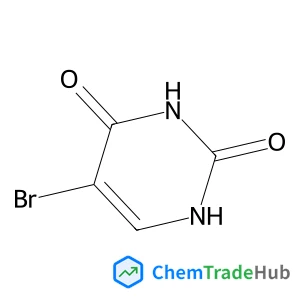
5-Bromo-2,4(1H,3H)-pyrimidinedione
CAS Number: 51-20-7
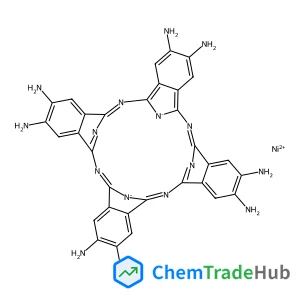
![3-Iodo-1H-pyrrolo[2,3-b]pyridine-4-carbonitrile](https://static.chemtradehub.com/structs/956/956485-59-9-1f04.webp)
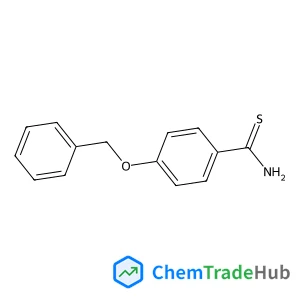
4-Benzyloxy-thiobenzamide
CAS Number: 161975-22-0
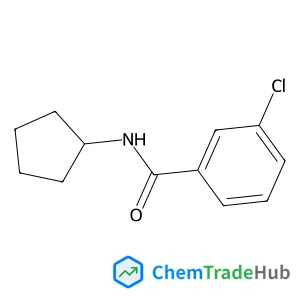
3-Chloro-N-cyclopentylbenzamide
CAS Number: 349128-33-2
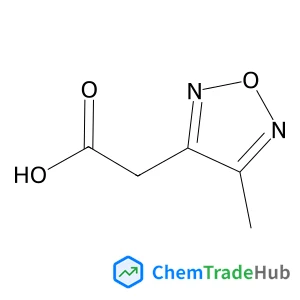
Other Suppliers for 9-(4-Bromophenyl)-10-(naphthalen-2-yl)anthracene




Basic Information
Molecular Formula
C30H19Br
Molecular Weight
459.39 g/mol
Physical Properties
Melting Point
237 ºC
Density
1.356±0.06 g/cm3 (20 ºC 760 Torr),
Chemical Identifiers
SMILES
C1=CC=C2C=C(C=CC2=C1)C3=C4C=CC=CC4=C(C5=CC=CC=C53)C6=CC=C(C=C6)Br
InChIKey
MWIMXPOBAUIYCW-UHFFFAOYSA-N
Database References
MDL Number
MFCD26407508
FAQ
Regulatory guidelines for 9-(4-Bromophenyl)-10-(naphthalen-2-yl)anthracene (CAS: 936854-62-5) include GHS classification, which categorizes it as a hazardous substance due to its potential toxicity and reactivity. For production and distribution, it must comply with REACH regulations, ensuring that it is registered with relevant authorities. Additionally, FDA and EPA have specific requirements for the handling, storage, and disposal of this compound to protect human health and the environment.
Alternatives to 9-(4-Bromophenyl)-10-(naphthalen-2-yl)anthracene (CAS: 936854-62-5) in synthesis include other anthracene derivatives, such as 9-bromoanthracene and 10-bromoanthracene. These alternatives can be used for similar applications but may vary in reactivity and solubility. Additionally, isomer analogs and structurally related compounds can serve as viable substitutes, offering similar functional groups for various chemical processes.
The market for 9-(4-Bromophenyl)-10-(naphthalen-2-yl)anthracene (CAS: 936854-62-5) is driven by its use in organic electronics and materials research. Recent research trends focus on its applications in organic light-emitting diodes (OLEDs) and photovoltaic devices. Market analysts predict an increase in demand due to its unique optical and electronic properties. However, ongoing studies are exploring safer alternatives due to its hazardous nature.
Waste containing 9-(4-Bromophenyl)-10-(naphthalen-2-yl)anthracene (CAS: 936854-62-5) should be handled by first collecting it in appropriate, labeled containers. Incineration is a common method, but professional waste disposal services are recommended to ensure compliance with environmental regulations. Proper environmental protection measures, such as containment and monitoring of emissions, should be implemented during disposal to minimize environmental impact. Safe disposal practices are crucial to prevent contamination and protect public health.
Safety Notice
Please verify product specifications and safety data before use. Contact the supplier for detailed safety information.
Always follow proper handling procedures
Contact Information
Contact Person
Fang Rui
wangkang@jskchem.com
Mobile
15221441005
Telephone
15221441005
Visit Website
https://www.jskchem.comAddress
No chemical compound information was provided to translate. Please provide the relevant chemical information for translation.