



AD
Poly(nipam-maa)(CAS: 151954-97-1)
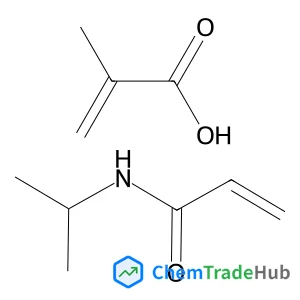
CAS Number
Related Products
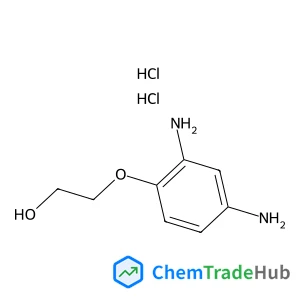
Xanthan gum
CAS Number: 11138-66-2
HYDROXYPROPYL GUAR
CAS Number: 39421-75-5
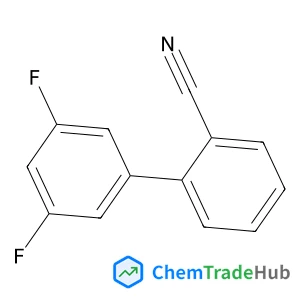
GELLAN GUM
CAS Number: 71010-52-1
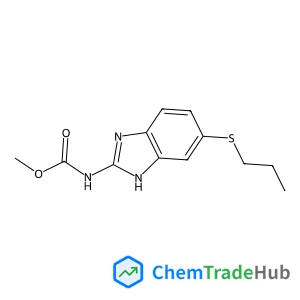
Albendazole
CAS Number: 54965-21-8
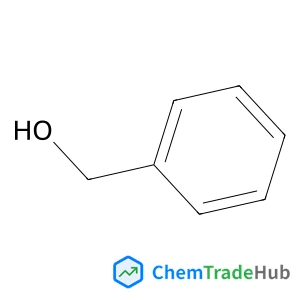
Benzyl Alcohol
CAS Number: 100-51-6
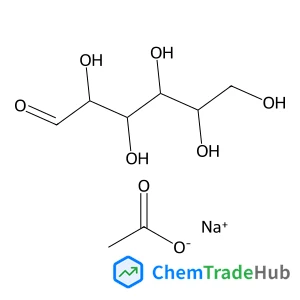
Sodium carboxymethyl cellulose
CAS Number: 9004-32-4
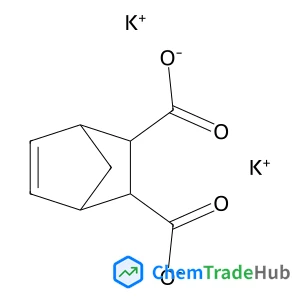
Potassium humate
CAS Number: 68514-28-3
Asphalt, sulfonated, sodium salt
CAS Number: 68201-32-1
Other Suppliers for Poly(nipam-maa)



Basic Information
Molecular Formula
C10H17NO3
Molecular Weight
199.25 g/mol
Physical Properties
Melting Point
>300 °C
Chemical Identifiers
SMILES
CC(C)NC(=O)C=C.CC(=C)C(=O)O
InChIKey
BGJOTKHBFYMJST-UHFFFAOYSA-N
Database References
FAQ
Poly(nipam-maa) is a copolymer with a CAS number of 151954-97-1. It typically has a glass transition temperature around 30-35°C, depending on the ratio of n-Isopropylacrylamide (nIPAM) to methacrylic acid (MAA). The molecular weight can range from several thousand to tens of thousands. It is partially soluble in aqueous solutions and organic solvents. The copolymer exhibits thermoresponsive properties, becoming more hydrophobic and shrinking at temperatures above its lower critical solution temperature (LCST).
Poly(nipam-maa) (CAS: 151954-97-1) is typically synthesized via free radical polymerization using initiators like azobisisobutyronitrile (AIBN) or thermal decomposition of peroxy compounds. The polymerization process is conducted in aqueous or organic media. Commonly, the monomer mixture is heated under nitrogen atmosphere, and the polymerization is monitored using techniques like gel permeation chromatography (GPC) to control molecular weight and copolymer composition.
Poly(nipam-maa) (CAS: 151954-97-1) finds applications in various industries. It is widely used in pharmaceuticals for controlled release systems, in polymers for smart materials, in sensors for temperature and humidity detection, and in semiconductors for microelectronic applications. Its thermoresponsive properties make it particularly useful in biomedical and environmental monitoring applications.
When handling Poly(nipam-maa) (CAS: 151954-97-1), it is important to use personal protective equipment (PPE) such as gloves, safety goggles, and lab coats. Working in a well-ventilated area or a fume hood is recommended to avoid inhalation of fumes. Spills should be cleaned up using appropriate absorbents and the area should be flushed with water. Always refer to the Safety Data Sheet (SDS) for specific handling, storage, and disposal instructions.
Safety Notice
Please verify product specifications and safety data before use. Contact the supplier for detailed safety information.
Always follow proper handling procedures
Contact Information
405680020@qq.com