



AD
Diethyl 2-aminothiophene-3,4-dicarboxylate(CAS: 104680-25-3)
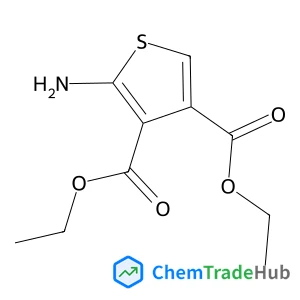
CAS Number
Related Products
![3-Cyclopropyl-1-(2-fluoro-4-iodophenyl)-5-hydroxy-6,8-dimethylpyrido[2,3-d]pyrimidine-2,4,7(1H,3H,8H)-trione](https://static.chemtradehub.com/structs/871/871700-24-2-c5dd.webp)
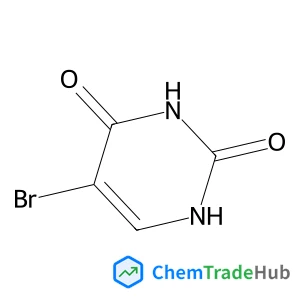
5-Bromo-2,4(1H,3H)-pyrimidinedione
CAS Number: 51-20-7
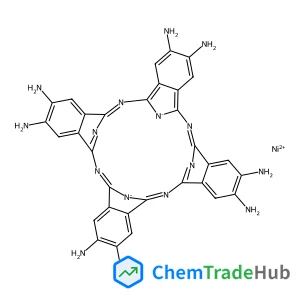
![3-Iodo-1H-pyrrolo[2,3-b]pyridine-4-carbonitrile](https://static.chemtradehub.com/structs/956/956485-59-9-1f04.webp)
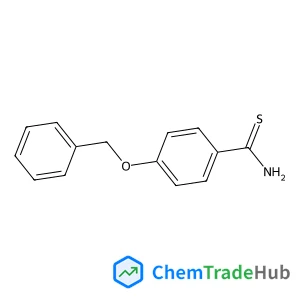
4-Benzyloxy-thiobenzamide
CAS Number: 161975-22-0
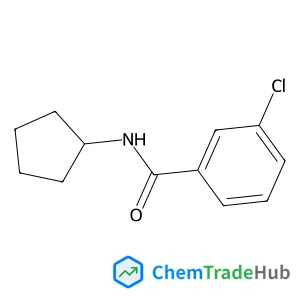
3-Chloro-N-cyclopentylbenzamide
CAS Number: 349128-33-2
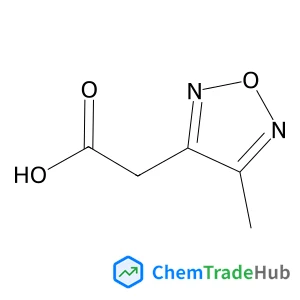
Other Suppliers for Diethyl 2-aminothiophene-3,4-dicarboxylate






Basic Information
Molecular Formula
C10H13NO4S
Molecular Weight
243.28 g/mol
Chemical Identifiers
SMILES
CCOC(=O)C1=CSC(=C1C(=O)OCC)N
InChIKey
PUNYRKPPRGWNOC-UHFFFAOYSA-N
Database References
MDL Number
MFCD08059079
FAQ
Diethyl 2-aminothiophene-3,4-dicarboxylate (CAS: 104680-25-3) falls under the regulations of the Globally Harmonized System of Classification and Labelling of Chemicals (GHS), REACH, and FDA/EPA. GHS classifies this compound based on its physical and health hazards. REACH requires manufacturers and importers to register chemicals, including this compound, if they are manufactured or imported in quantities above 1 ton per year. FDA and EPA regulations govern its use in pharmaceuticals and environmental releases, respectively.
Several alternatives can be used in the synthesis of Diethyl 2-aminothiophene-3,4-dicarboxylate (CAS: 104680-25-3). Common alternatives include using different amine compounds or thiophene derivatives. For example, 2-aminopyridine or thiophene-3,4-dicarboxylic acid can serve as precursor chemicals in similar reactions. These alternatives may offer different reactivity and yield, making them suitable for various synthetic routes.
The market for Diethyl 2-aminothiophene-3,4-dicarboxylate (CAS: 104680-25-3) is growing due to its applications in the pharmaceutical and materials science industries. Recent research focuses on its use in drug development and as a building block for organic electronics. Market trends indicate increased demand for this compound, driven by the need for new therapeutic agents and advanced materials. However, price fluctuations may impact its availability and usage.
Waste containing Diethyl 2-aminothiophene-3,4-dicarboxylate (CAS: 104680-25-3) should be collected in appropriate containers and stored in a secure, well-ventilated area. Proper waste management practices include incineration or professional waste disposal services. Environmental precautions include ensuring no runoff contaminates water sources. Regulatory compliance with local waste disposal regulations is essential to avoid environmental hazards and legal penalties.
Safety Notice
Please verify product specifications and safety data before use. Contact the supplier for detailed safety information.
Always follow proper handling procedures
Contact Information
Contact Person
Fang Rui
wangkang@jskchem.com
Mobile
15221441005
Telephone
15221441005
Visit Website
https://www.jskchem.comAddress
No chemical compound information was provided to translate. Please provide the relevant chemical information for translation.