



AD
2-hydroxybenzaldehyde(CAS: 90-02-8)
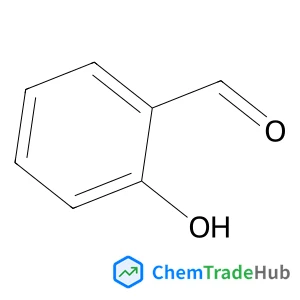
CAS Number
Related Products
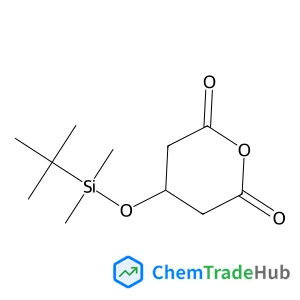

1,1,1,3,3,3-Hexafluoro-2-propanol
CAS Number: 920-66-1
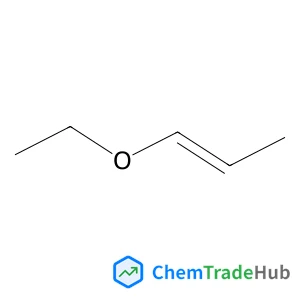
Ethyl propenyl ether
CAS Number: 928-55-2
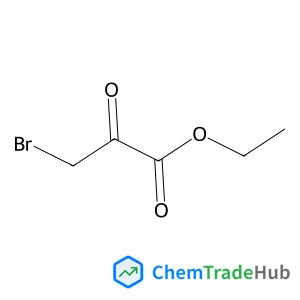
Ethyl 3-bromo-2-oxopropanoate
CAS Number: 70-23-5
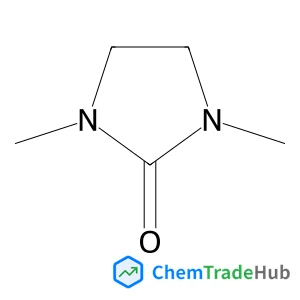
1,3-Dimethyl-2-imidazolidinone
CAS Number: 80-73-9
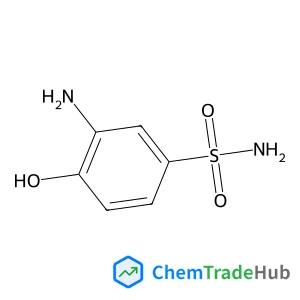
3-Amino-4-hydroxybenzenesulfonamide
CAS Number: 98-32-8
Other Suppliers for 2-hydroxybenzaldehyde



Basic Information
Molecular Formula
C7H6O2
Molecular Weight
122.12 g/mol
Physical Properties
Melting Point
1-2 °C (lit.)
Boiling Point
197 °C(lit.)
Density
1.146 g/mL at 25 °C(lit.)
Chemical Identifiers
SMILES
Oc1ccccc1C=O
InChIKey
SMQUZDBALVYZAC-UHFFFAOYSA-N
Database References
MDL Number
MFCD00003317
Beilstein Registry Number
471388
FAQ
2-hydroxybenzaldehyde (CAS: 90-02-8) is a white crystalline solid with a molecular weight of approximately 138.13 g/mol. It is slightly soluble in water and readily soluble in ethanol. It has a pKa of around 15.4, indicating its basic nature. The compound is relatively stable under normal conditions but can undergo condensation reactions under acidic conditions. It has a pleasant aroma and is used in flavoring and fragrance applications.
2-hydroxybenzaldehyde (CAS: 90-02-8) is often synthesized from hydroxybenzoic acid via decarboxylation. This process involves heating hydroxybenzoic acid with a suitable base such as sodium hydroxide in an alcoholic solvent. Another method involves the reduction of 2-hydroxybenzaldehyde oxime using hydrogen gas and a nickel catalyst. The yield and selectivity of these methods can be influenced by reaction conditions and choice of catalysts.
2-hydroxybenzaldehyde (CAS: 90-02-8) is primarily used in the food and fragrance industries for its aromatic properties. It is also employed in the pharmaceutical sector for the synthesis of certain drugs. Additionally, it has applications in the production of polymers, where it can act as a monomer. Its reactivity and stability make it suitable for use in sensors and semiconductors as well.
Proper personal protective equipment (PPE) should be used when handling 2-hydroxybenzaldehyde (CAS: 90-02-8), including gloves, safety goggles, and a lab coat. It should be handled in a well-ventilated area or a fume hood to avoid inhalation of vapors. Spills should be cleaned up immediately using appropriate absorbents, and the area should be flushed with water. Safety data sheets (SDS) should be consulted for detailed emergency procedures and storage guidelines.
Safety Notice
Please verify product specifications and safety data before use. Contact the supplier for detailed safety information.
Always follow proper handling procedures
Contact Information
sales@chemrole.com