



AD
Tributyl 2-acetoxy-1,2,3-propanetricarboxylate(CAS: 77-90-7)
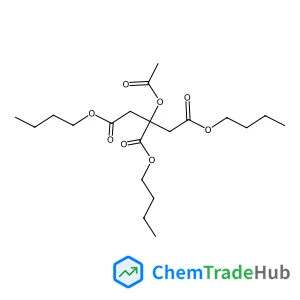
CAS Number
Related Products
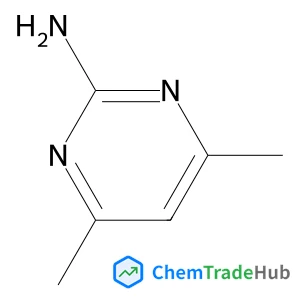
4,6-Dimethyl-2-pyrimidinamine
CAS Number: 767-15-7
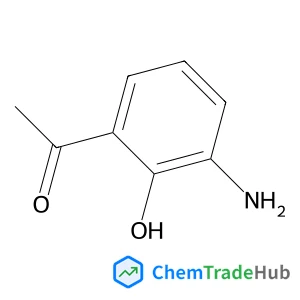
1-(3-Amino-2-hydroxyphenyl)ethanone
CAS Number: 70977-72-9
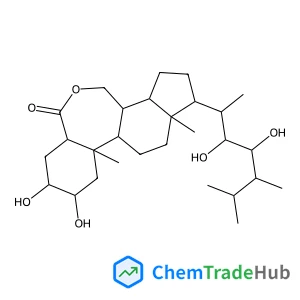
Brassinolide
CAS Number: 72962-43-7
![2-(2-{(1E,4E)-1,5-Bis[4-(trifluoromethyl)phenyl]-1,4-pentadien-3-ylidene}hydrazino)-5,5-dimethyl-1,4,5,6-tetrahydropyrimidine](https://static.chemtradehub.com/structs/674/67485-29-4-3fc0.webp)
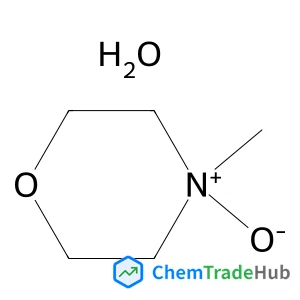
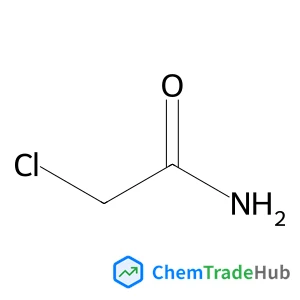
2-Chloroacetamide
CAS Number: 79-07-2
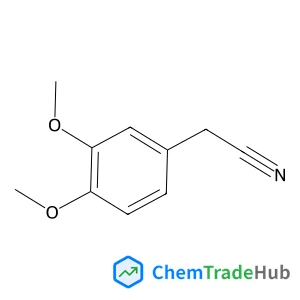
3,4-Dimethoxyphenylacetonitrile
CAS Number: 93-17-4
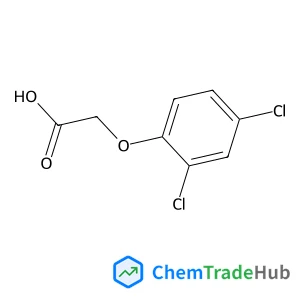
(2,4-Dichlorophenoxy)acetic acid
CAS Number: 94-75-7
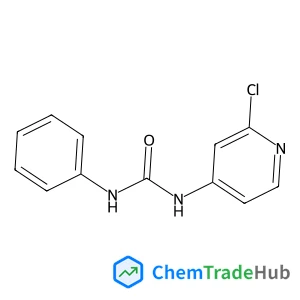
1-(2-Chloro-4-pyridinyl)-3-phenylurea
CAS Number: 68157-60-8
Other Suppliers for Tributyl 2-acetoxy-1,2,3-propanetricarboxylate


Basic Information
Molecular Formula
C20H34O8
Molecular Weight
402.48 g/mol
Physical Properties
Melting Point
-80°C(lit.)
Boiling Point
327 ºC
Density
1.05 g/mL at 25 °C(lit.)
Water Solubility
<0.1 g/100 mL
Chemical Identifiers
SMILES
CCCCOC(=O)CC(CC(=O)OCCCC)(C(=O)OCCCC)OC(=O)C
InChIKey
QZCLKYGREBVARF-UHFFFAOYSA-N
Database References
MDL Number
MFCD00043554
FAQ
Tributyl 2-acetoxy-1,2,3-propanetricarboxylate is an organic compound with the CAS number 77-90-7. It is a triester formed by the reaction of propanetricarboxylic acid with tributylamine. The compound is known for its stability and is commonly used in chemical synthesis as an intermediate. It has a molecular formula of C17H34O6 and is characterized by its ester functional groups and trialkyl structure.
Tributyl 2-acetoxy-1,2,3-propanetricarboxylate is primarily used in pharmaceutical and industrial applications. It serves as a key intermediate in the synthesis of various organic compounds, including pharmaceuticals and polymers. Additionally, it is employed in research settings for developing new materials and chemical processes. Its versatility makes it valuable in multiple sectors requiring chemical synthesis.
Tributyl 2-acetoxy-1,2,3-propanetricarboxylate is generally considered safe when handled properly. However, it is important to follow standard chemical safety protocols, as it may cause irritation to the skin and eyes. Protective equipment such as gloves, goggles, and a lab coat should be used. It is not classified as highly toxic, but appropriate ventilation and storage are essential for safe handling.
Tributyl 2-acetoxy-1,2,3-propanetricarboxylate should be stored in a cool, dry, and well-ventilated area, away from direct light. It is best kept in a sealed container made of inert material such as glass or HDPE to prevent contamination and maintain stability. The ideal storage temperature is below 25°C, and humidity levels should be controlled to avoid degradation.
Safety Notice
Please verify product specifications and safety data before use. Contact the supplier for detailed safety information.
Always follow proper handling procedures
Contact Information
marketing@suntton.com