



AD
9-Bromo-3-(bromoacetyl)-10,11-dihydro-5H-dibenzo[c,g]chromen-8(9H)-one(CAS: 1438383-89-1)
![9-Bromo-3-(bromoacetyl)-10,11-dihydro-5H-dibenzo[c,g]chromen-8(9H)-one](https://static.chemtradehub.com/structs/143/1438383-89-1-0d2a.webp "9-Bromo-3-(bromoacetyl)-10,11-dihydro-5H-dibenzo[c,g]chromen-8(9H)-one")
CAS Number
Related Products
![2-Chloro-10-[3-(4-methyl-1-piperazinyl)propyl]-10H-phenothiazine](https://static.chemtradehub.com/structs/58-/58-38-8-9a44.webp)
![(2S)-2-Amino-4-[(2-methyl-2-propanyl)oxy]-4-oxobutanoic acid](https://static.chemtradehub.com/structs/305/3057-74-7-60dc.webp)
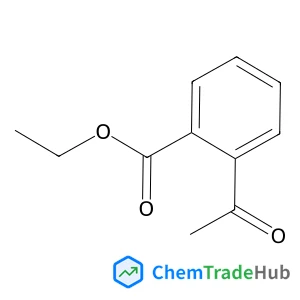
Ethyl 2-acetylbenzoate
CAS Number: 103935-10-0
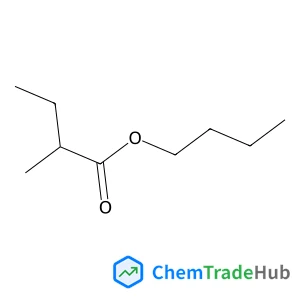
Butanoic acid, 2-methyl-, butyl ester
CAS Number: 15706-73-7
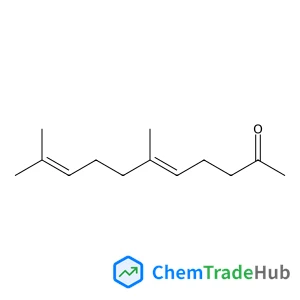
6,10-Dimethyl-5,9-undecadien-2-one
CAS Number: 689-67-8
Sodium chloride
CAS Number: 7647-14-5
Other Suppliers for 9-Bromo-3-(bromoacetyl)-10,11-dihydro-5H-dibenzo[c,g]chromen-8(9H)-one
![9-Bromo-3-(bromoacetyl)-10,11-dihydro-5H-dibenzo[c,g]chromen-8(9H)-one — Hubei Yangxin Pharmaceutical Technology Co., Ltd.](https://static.chemtradehub.com/suppliers/67cded3957537e5c8069af88/67cded3957537e5c8069af88-logo.webp)
![9-Bromo-3-(bromoacetyl)-10,11-dihydro-5H-dibenzo[c,g]chromen-8(9H)-one — JiangSuAiKangShengWuYiYaoYanFa Co Ltd](https://static.chemtradehub.com/suppliers/67cec9452b2de6e8e95a52fa/67cec9452b2de6e8e95a52fa-logo.webp)
Basic Information
Molecular Formula
C19H14Br2O3
Molecular Weight
450.13 g/mol
Chemical Identifiers
SMILES
c1cc-2c(cc1C(=O)CBr)COc3c2cc4c(c3)C(=O)C(CC4)Br
InChIKey
NVSLOKHCHIFJDR-UHFFFAOYSA-N
Database References
MDL Number
MFCD30187854
FAQ
9-Bromo-3-(bromoacetyl)-10,11-dihydro-5H-dibenzo[c,g]chromen-8(9H)-one is a solid, crystalline compound with a molecular weight of approximately 496.32 g/mol. It is poorly soluble in water but soluble in organic solvents like dichloromethane and ethyl acetate. The compound is relatively stable but can react with nucleophiles due to its bromo and bromoacetyl groups. It has low reactivity in neutral and basic media but can undergo substitution reactions in acidic conditions.
9-Bromo-3-(bromoacetyl)-10,11-dihydro-5H-dibenzo[c,g]chromen-8(9H)-one can be synthesized through a series of reactions starting from a 1,2-dibromonaphthalene derivative. The process involves bromination, acetylation, and subsequent cyclization steps. Common solvents include dichloromethane and acetic anhydride, and the reaction is typically carried out under basic conditions using catalysts like pyridine. The overall yield is moderate, around 50-60%.
9-Bromo-3-(bromoacetyl)-10,11-dihydro-5H-dibenzo[c,g]chromen-8(9H)-one is used in the pharmaceutical industry for the development of novel drug candidates, particularly in anti-inflammatory and antitumor research. It is also explored in polymer chemistry for synthesizing advanced materials and in the fabrication of sensors for detecting specific chemical species due to its chromophoric properties.
Handling 9-Bromo-3-(bromoacetyl)-10,11-dihydro-5H-dibenzo[c,g]chromen-8(9H)-one requires careful attention to safety. PPE such as gloves, goggles, and lab coats should be worn. Work should be conducted in a well-ventilated fume hood to avoid inhalation of fumes. Spills should be cleaned up using appropriate absorbent materials and disposed of according to local regulations. Always consult the Safety Data Sheet (SDS) for detailed information on proper handling and emergency procedures.
Safety Notice
Please verify product specifications and safety data before use. Contact the supplier for detailed safety information.
Always follow proper handling procedures
Contact Information
Contact Person
Hu Gebing
2369399482@qq.com