



AD
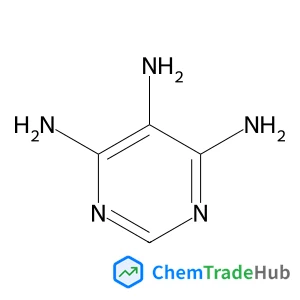
4,5,6-Pyrimidinetriamine(CAS: 118-70-7)
CAS Number
Related Products
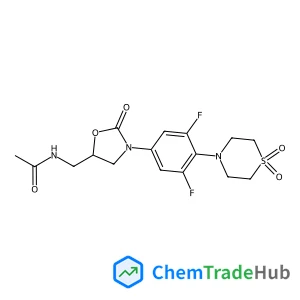
![3-Cyclopropyl-1-(2-fluoro-4-iodophenyl)-5-hydroxy-6,8-dimethylpyrido[2,3-d]pyrimidine-2,4,7(1H,3H,8H)-trione](https://static.chemtradehub.com/structs/871/871700-24-2-c5dd.webp)
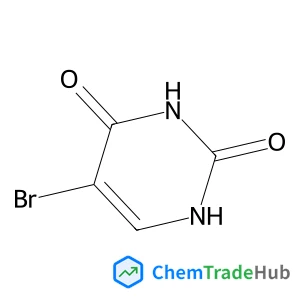
5-Bromo-2,4(1H,3H)-pyrimidinedione
CAS Number: 51-20-7
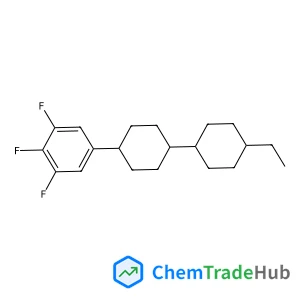
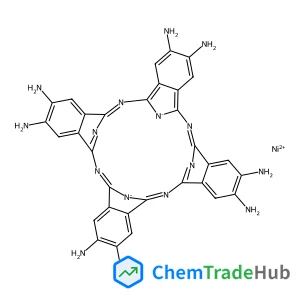
![3-Iodo-1H-pyrrolo[2,3-b]pyridine-4-carbonitrile](https://static.chemtradehub.com/structs/956/956485-59-9-1f04.webp)
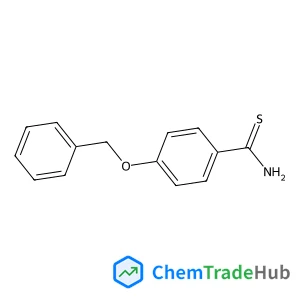
4-Benzyloxy-thiobenzamide
CAS Number: 161975-22-0
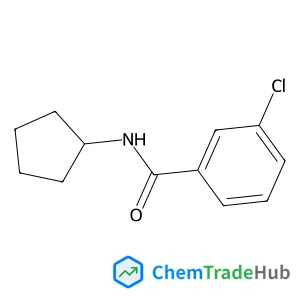
3-Chloro-N-cyclopentylbenzamide
CAS Number: 349128-33-2
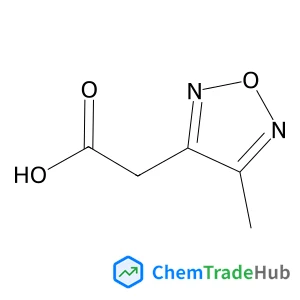
Other Suppliers for 4,5,6-Pyrimidinetriamine





Basic Information
Molecular Formula
C4H7N5
Molecular Weight
125.14 g/mol
Physical Properties
Boiling Point
406.2℃ at 760 mmHg
Density
1.512
Flash Point
228.5°C
Chemical Identifiers
SMILES
C1=NC(=C(C(=N1)N)N)N
InChIKey
MPNBXFXEMHPGTK-UHFFFAOYSA-N
Database References
MDL Number
MFCD00023271
FAQ
4,5,6-Pyrimidinetriamine (CAS: 118-70-7) must adhere to various regulatory guidelines. Under the GHS system, it is classified as a flammable liquid. In the European Union, it is regulated under REACH regulations, which require registration, evaluation, authorization, and restriction of chemicals. It is also subject to FDA and EPA requirements for safe handling, storage, and disposal in the United States. Proper labeling, hazard communication, and safe storage practices are essential to comply with these regulations.
There are several alternatives to 4,5,6-Pyrimidinetriamine (CAS: 118-70-7) in synthesis, depending on the specific application. Common alternatives include other pyrimidine derivatives, such as pyrimidine-2,4,6-trione, and various amines. These alternatives can offer similar functionalities but with different reactivity and solubility profiles. It is important to evaluate the properties of each compound to determine the most suitable one for the intended synthesis.
The market for 4,5,6-Pyrimidinetriamine (CAS: 118-70-7) is driven by its applications in pharmaceuticals, agrochemicals, and biotechnology. Recent research trends focus on its use as a precursor in the synthesis of various drugs and pesticides. The trend indicates a growing demand for optimized production methods and safer handling practices. Additionally, there is increasing interest in exploring its potential in gene therapy and cancer treatment.
Waste containing 4,5,6-Pyrimidinetriamine (CAS: 118-70-7) should be collected and stored in appropriate containers to prevent spills and leakage. Safe disposal methods include incineration, neutralization, or professional waste disposal services that comply with local regulations. Environmental protection measures, such as monitoring for residual compounds and implementing containment systems, are crucial to prevent pollution. It is essential to follow the guidelines set by local environmental agencies and ensure that all disposal activities are conducted safely and responsibly.
Safety Notice
Please verify product specifications and safety data before use. Contact the supplier for detailed safety information.
Always follow proper handling procedures
Contact Information
Contact Person
Fang Rui
wangkang@jskchem.com
Mobile
15221441005
Telephone
15221441005
Visit Website
https://www.jskchem.comAddress
No chemical compound information was provided to translate. Please provide the relevant chemical information for translation.