



AD
O-Tolyl acetate(CAS: 533-18-6)
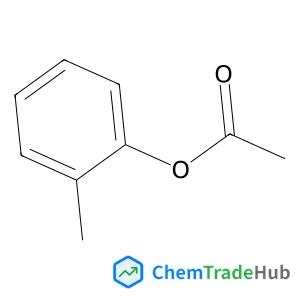
CAS Number
Related Products
![[3-(2-Hydroxyethyl)phenyl]boronic acid](https://static.chemtradehub.com/structs/647/647853-32-5-c363.webp)
![N-(Butylsulfonyl)-O-[4-(4-piperidinyl)butyl]-L-tyrosine hydrochloride hydrate](https://static.chemtradehub.com/structs/150/150915-40-5-1679.webp)
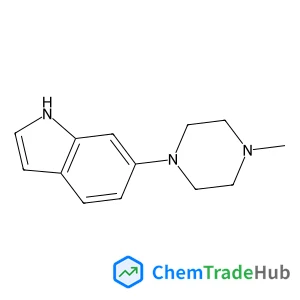
6-(4-methylpiperazin-1-yl)-1H-indole
CAS Number: 321745-04-4
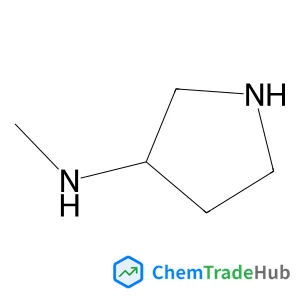
N-Methyl-3-pyrrolidinamine
CAS Number: 83030-08-4
![2-Chloro-N-[4-chloro-3-(2-pyridinyl)phenyl]-4-(methylsulfonyl)benzamide](https://static.chemtradehub.com/structs/879/879085-55-9-5abe.webp)
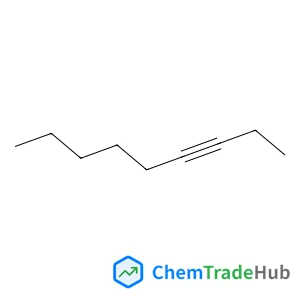
3-Nonyne
CAS Number: 20184-89-8
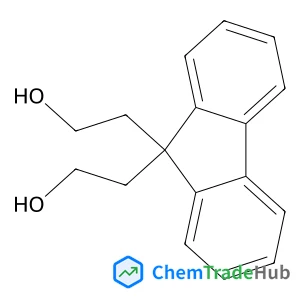
2,2'-(9H-fluorene-9,9-diyl)diethanol
CAS Number: 203070-78-4
![1,4-Dioxaspiro[4.5]dec-8-ylacetic acid](https://static.chemtradehub.com/structs/134/134136-04-2-8def.webp)
Other Suppliers for O-Tolyl acetate




Basic Information
Molecular Formula
C9H10O2
Molecular Weight
150.18 g/mol
Physical Properties
Boiling Point
210 ºC (760 Torr)
Flash Point
84.0±7.7 ºC,
Chemical Identifiers
SMILES
CC1=CC=CC=C1OC(=O)C
InChIKey
AMZORBZSQRUXNC-UHFFFAOYSA-N
Database References
MDL Number
MFCD00053704
FAQ
O-Tolyl acetate (CAS: 533-18-6) is a colorless to pale yellow liquid with a density of approximately 0.92 g/cm³ and a molecular weight of 148.18 g/mol. It has a strong fruity odor. The compound is miscible with water and readily soluble in organic solvents such as ethanol and acetone. It is moderately reactive towards nucleophiles and can undergo substitution reactions. It is stable under normal conditions but should be stored in a cool, dry place away from heat and sources of ignition.
O-Tolyl acetate (CAS: 533-18-6) can be synthesized by the acetylation of o-toluidine with acetic anhydride in the presence of a catalyst like pyridine. The reaction is typically carried out at room temperature and atmospheric pressure. The yield is usually around 85-90%. Other methods include using acetyl chloride with a Lewis acid catalyst, which provides higher selectivity and yields.
O-Tolyl acetate (CAS: 533-18-6) is used in the fragrance and flavor industry as a synthetic component of perfumes and food additives. It is also utilized in the pharmaceutical industry for the synthesis of certain drugs, and in the polymer industry as a monomer or plasticizer. Additionally, it finds applications in the production of sensors and semiconductors due to its chemical stability and reactivity.
When handling O-Tolyl acetate (CAS: 533-18-6), it is essential to wear appropriate personal protective equipment (PPE) such as gloves, goggles, and a laboratory coat. Work should be conducted in a well-ventilated area or fume hood to minimize inhalation risks. Spills should be cleaned up using appropriate absorbent materials, followed by rinsing with water. Always refer to the safety data sheet (SDS) for detailed handling and disposal instructions. Keep the substance away from heat and sources of ignition to prevent fire hazards.
Safety Notice
Please verify product specifications and safety data before use. Contact the supplier for detailed safety information.
Always follow proper handling procedures

Contact Information
Contact Person
Miss Xu
1986399151@qq.com
Mobile
15221998634
Telephone
021-59178156
Visit Website
https://www.yingxinbio.com/Address
Yugang Town Yiling Road 258 Lane C Zone