



AD
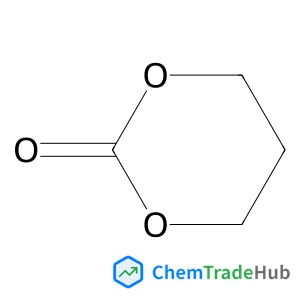
1,3-Dioxan-2-one(CAS: 2453-03-4)
CAS Number
Related Products
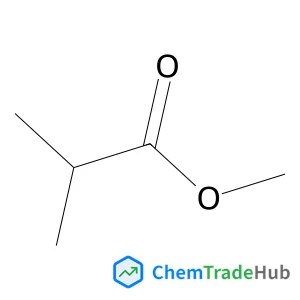
POLY(D-LACTIDE)
CAS Number: 106989-11-1
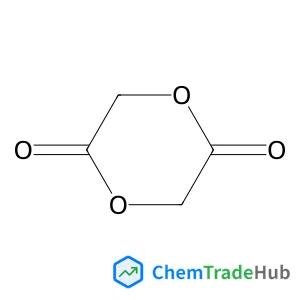
1,4-Dioxane-2,5-dione
CAS Number: 502-97-6
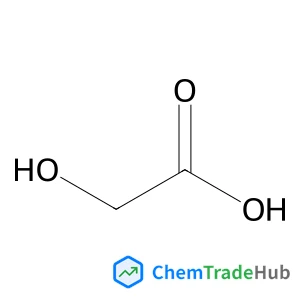
POLYGLYCOLIDE
CAS Number: 26124-68-5
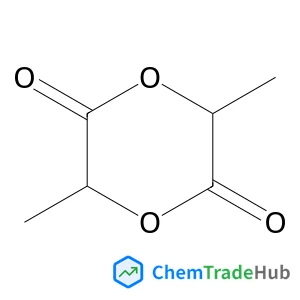
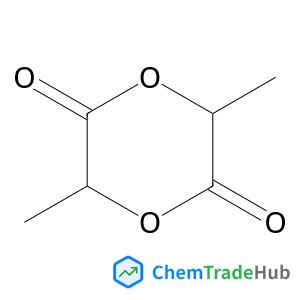
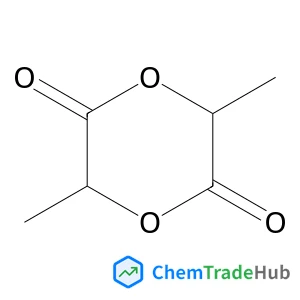
D-(+)-Lactide
CAS Number: 13076-17-0
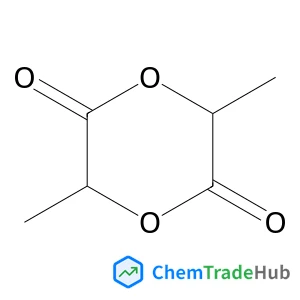
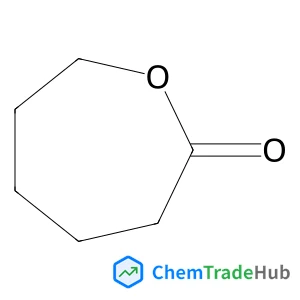
Polycaprolactone
CAS Number: 24980-41-4
Other Suppliers for 1,3-Dioxan-2-one


Basic Information
Molecular Formula
C4H6O3
Molecular Weight
102.09 g/mol
Physical Properties
Melting Point
45.0 to 49.0 deg-C
Boiling Point
135°C/4mmHg(lit.)
Density
1.2
Flash Point
148.6°C
Chemical Identifiers
SMILES
C1COC(=O)OC1
InChIKey
YFHICDDUDORKJB-UHFFFAOYSA-N
Database References
MDL Number
MFCD00010440
FAQ
1,3-Dioxan-2-one (CAS: 2453-03-4) must comply with various regulatory guidelines. Globally Harmonized System (GHS) categorizes it as a Category 2 skin irritant. In the European Union, it is subject to the Registration, Evaluation, Authorization, and Restriction of Chemicals (REACH) regulation, which requires manufacturers and importers to register and assess the substance's impact on human health and the environment. The Food and Drug Administration (FDA) and Environmental Protection Agency (EPA) may have specific requirements for its use in pharmaceutical or chemical products, respectively, including proper labeling and handling procedures.
Yes, several alternatives to 1,3-Dioxan-2-one (CAS: 2453-03-4) exist in synthesis. Common substitutes include tetrahydrofuran (THF) and 1,4-dioxane, which offer similar reactivity profiles for certain reactions. However, due to environmental concerns, there is a growing trend towards using more sustainable solvents like ethylenediamine or propylene carbonate. These alternatives are often chosen for their lower toxicity and better biodegradability.
The market for 1,3-Dioxan-2-one (CAS: 2453-03-4) is relatively stable, but there is increasing research interest in its use as a key intermediate in pharmaceutical and fine chemical synthesis. Recent trends highlight a focus on developing greener and more sustainable processes to reduce environmental impact. Researchers are exploring novel methods to minimize the use of 1,3-Dioxan-2-one in favor of less hazardous alternatives, which aligns with broader industry shifts towards eco-friendly practices.
Waste containing 1,3-Dioxan-2-one (CAS: 2453-03-4) should be handled cautiously. Initial steps include proper collection in suitable, leak-proof containers. For disposal, incineration is a common method, provided it is conducted in a controlled environment to prevent air pollution. Alternatively, professional waste disposal services can safely manage the waste, ensuring compliance with local environmental regulations. Always refer to the Material Safety Data Sheet (MSDS) for specific disposal procedures and to identify any specialized handling requirements.
Safety Notice
Please verify product specifications and safety data before use. Contact the supplier for detailed safety information.
Always follow proper handling procedures
Contact Information
Contact Person
Ye Zhen
hs15527997319@163.com