



AD
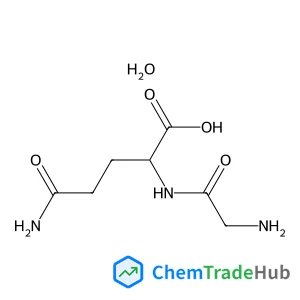
Glycyl-L-glutamine monohydrate(CAS: 172669-64-6)
CAS Number
Related Products
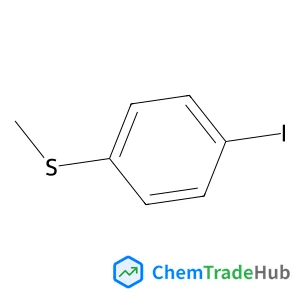
1-Iodo-4-(methylsulfanyl)benzene
CAS Number: 35371-03-0
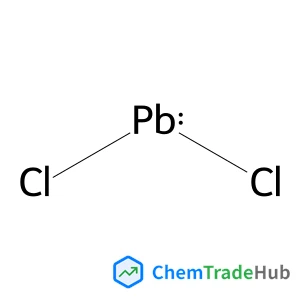
Dichloro-lambda~2~-plumbane
CAS Number: 7758-95-4
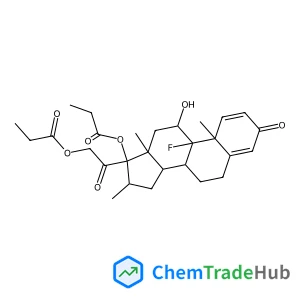
PUMICE STONE
CAS Number: 1332-09-8
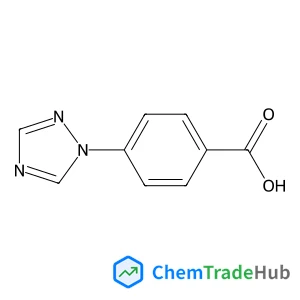
4-(1H-1,2,4-Triazol-1-yl)benzoic acid
CAS Number: 162848-16-0
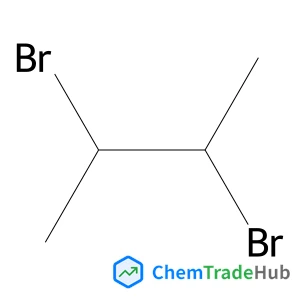
2,3-Dibromobutane
CAS Number: 5408-86-6
SOYBEAN MEAL
CAS Number: 68308-36-1
![2-Chloro-N-[2-(2,6-dioxo-3-piperidinyl)-1,3-dioxo-2,3-dihydro-1H-isoindol-4-yl]acetamide](https://static.chemtradehub.com/structs/444/444287-84-7-fa4b.webp)
Other Suppliers for Glycyl-L-glutamine monohydrate







Basic Information
Molecular Formula
C7H15N3O5
Molecular Weight
221.21 g/mol
Chemical Identifiers
SMILES
C(CC(=O)N)C(C(=O)O)NC(=O)CN.O
InChIKey
KLFWVRQACSYLOH-WCCKRBBISA-N
Database References
MDL Number
MFCD00150855
FAQ
Glycyl-L-glutamine monohydrate is a crystalline solid with a molecular weight of approximately 343.44 g/mol. It has a solubility of about 20 g/L in water at 20°C and is slightly acidic. The compound is relatively stable under normal conditions but can degrade over time in the presence of moisture and light. It reacts with strong bases to form salts and with strong acids to form esters.
Glycyl-L-glutamine monohydrate is typically synthesized by the condensation of glycine and L-glutamine in the presence of a suitable catalyst such as a phosphoric acid. The reaction is carried out in an aqueous medium, and the monohydrate form is obtained by evaporating the solvent and crystallizing the product. The yield is around 85-90%, and the reaction is selective, producing primarily the desired monohydrate form.
Glycyl-L-glutamine monohydrate is primarily used in the pharmaceutical industry as an intermediate in the synthesis of certain drugs and as a dietary supplement. It is also used in the food industry as a flavor enhancer and in the cosmetics industry as an ingredient in skin care products. Additionally, it has applications in the polymer and sensor industries as a stabilizer and sensor material, respectively.
When handling Glycyl-L-glutamine monohydrate, it is important to wear proper personal protective equipment (PPE) such as gloves, goggles, and a lab coat. Work should be conducted in a well-ventilated area or a fume hood to avoid inhalation. Spills should be cleaned up immediately using appropriate absorbent materials. Safety data sheets (SDS) should be consulted for detailed information on proper handling and emergency procedures. Storage should be in a cool, dry place away from heat sources and incompatible materials.
Safety Notice
Please verify product specifications and safety data before use. Contact the supplier for detailed safety information.
Always follow proper handling procedures
Contact Information
Contact Person
Ludu
order@canspecsci.com