



AD
Methyl 1-((tert-butoxycarbonyl)amino)cyclopropanecarboxylate(CAS: 66494-26-6)
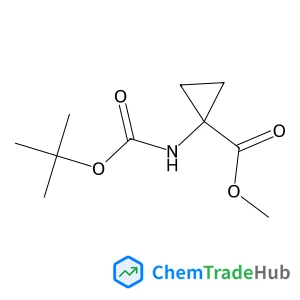
CAS Number
Related Products
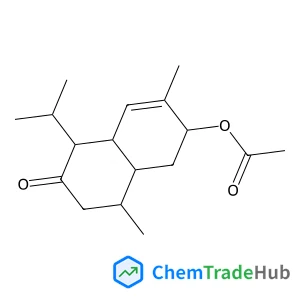
3-Acetoxy-4-cadinen-8-one
CAS Number: 923950-05-4
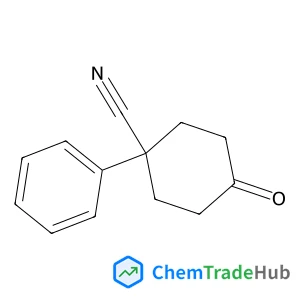
4-Oxo-1-phenylcyclohexanecarbonitrile
CAS Number: 25115-74-6
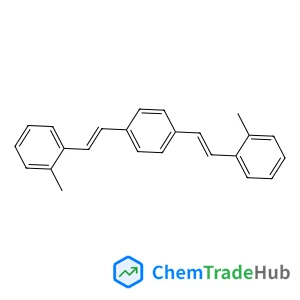
Valiolamine
CAS Number: 83456-22-9
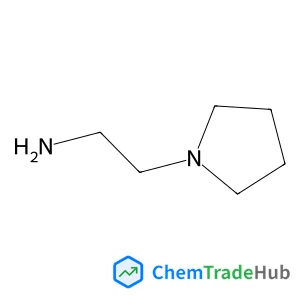
2-(1-Pyrrolidinyl)ethanamine
CAS Number: 7154-73-6
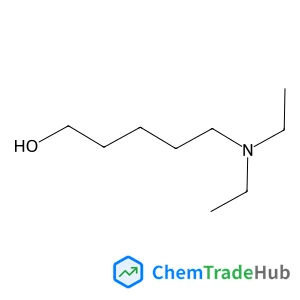
5-(Diethylamino)-1-pentanol
CAS Number: 2683-57-0
![2-Methyl-2-propanyl 4-{[2-(2-aminophenyl)ethyl]amino}-1-piperidinecarboxylate](https://static.chemtradehub.com/structs/783/783368-12-7-e061.webp)
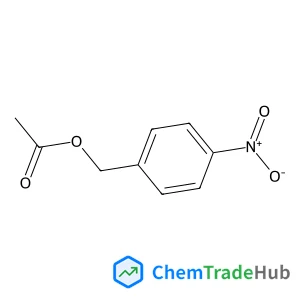
Benzenemethanol, 4-nitro-, 1-acetate
CAS Number: 619-90-9
Other Suppliers for Methyl 1-((tert-butoxycarbonyl)amino)cyclopropanecarboxylate





Basic Information
Molecular Formula
C10H17NO4
Molecular Weight
215.25 g/mol
Chemical Identifiers
SMILES
CC(C)(C)OC(=O)NC1(CC1)C(=O)OC
InChIKey
ACXGDYTVQAXJHI-UHFFFAOYSA-N
Database References
MDL Number
MFCD11520021
FAQ
Methyl 1-((tert-butoxycarbonyl)amino)cyclopropanecarboxylate (CAS: 66494-26-6) is a crystalline solid with a molecular weight of approximately 248.3 g/mol. It has a low solubility in water but is more soluble in organic solvents like methanol and acetone. This compound is highly reactive towards nucleophiles and can undergo substitution reactions. It is often used as a protective group in organic synthesis.
Methyl 1-((tert-butoxycarbonyl)amino)cyclopropanecarboxylate (CAS: 66494-26-6) is synthesized through a multi-step process involving the protection of an amino group with a tert-butoxycarbonyl (BOC) group. Commonly, this involves reacting cyclopropanecarboxylic acid with tert-butanol in the presence of a suitable coupling agent such as DCC (dicyclohexylcarbodiimide) and anhydrous pyridine. The yield and selectivity of this reaction are influenced by the conditions and choice of reagents.
Methyl 1-((tert-butoxycarbonyl)amino)cyclopropanecarboxylate (CAS: 66494-26-6) is primarily used in the pharmaceutical industry for organic synthesis, particularly in the production of peptides and proteins. It is also found in the polymer industry for the synthesis of certain polymers with specific properties. Additionally, it has applications in the development of sensors and semiconductors due to its reactivity and structural characteristics.
When handling Methyl 1-((tert-butoxycarbonyl)amino)cyclopropanecarboxylate (CAS: 66494-26-6), it is essential to wear appropriate personal protective equipment (PPE) such as gloves, safety goggles, and a lab coat. Work should be conducted in a well-ventilated fume hood to minimize inhalation risks. Spills should be handled with care using appropriate spill kits, and the material safety data sheet (MSDS) should be consulted for detailed guidelines on safe handling and disposal. Avoid skin contact and inhalation of dust or fumes.
Safety Notice
Please verify product specifications and safety data before use. Contact the supplier for detailed safety information.
Always follow proper handling procedures

Contact Information
hepeng20160718@foxmail.com
Mobile
13122891558
Telephone
186-16545970
Visit Website
https://www.hepengbio.com/