



AD
Epilincomycin(CAS: 17017-22-0)
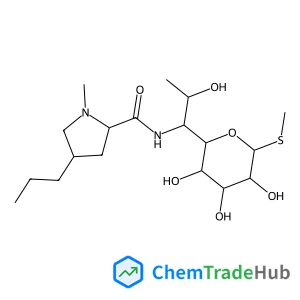
CAS Number
Related Products
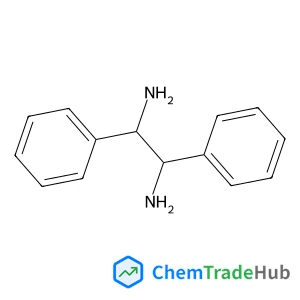
(1R,2R)-1,2-Diphenyl-1,2-ethanediamine
CAS Number: 35132-20-8
![Calcium bis(3-{[(2R)-2,4-dihydroxy-3,3-dimethylbutanoyl]amino}propanoate)](https://static.chemtradehub.com/structs/137/137-08-6-2f0d.webp)
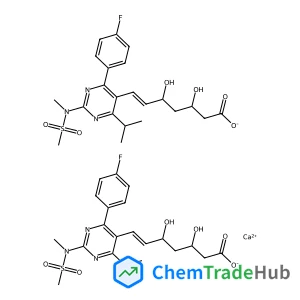
Rosuvastatin Calcium
CAS Number: 147098-20-2
![(2R)-2,5,7,8-Tetramethyl-2-[(4R,8R)-4,8,12-trimethyltridecyl]-6-chromanol](https://static.chemtradehub.com/structs/59-/59-02-9-d10e.webp)
![2,2-Dichloro-N-[(1R,2R)-1,3-dihydroxy-1-(4-nitrophenyl)-2-propanyl]acetamide](https://static.chemtradehub.com/structs/56-/56-75-7-d18d.webp)
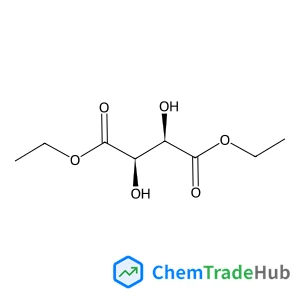
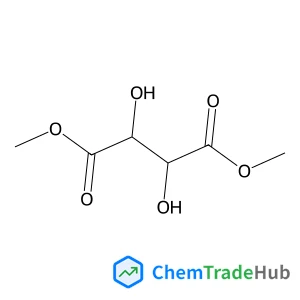
Diethyl (2R,3R)-2,3-dihydroxysuccinate
CAS Number: 87-91-2
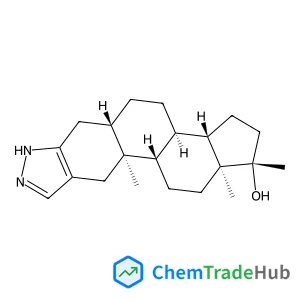
Stanozolol
CAS Number: 10418-03-8
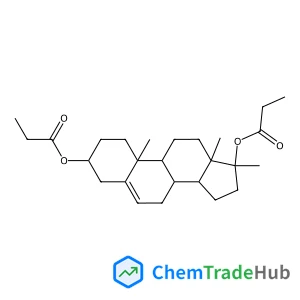
Other Suppliers for Epilincomycin





Basic Information
Molecular Formula
C18H34N2O6S
Molecular Weight
406.5 g/mol
Chemical Identifiers
SMILES
CCCC1CC(N(C1)C)C(=O)NC(C2C(C(C(C(O2)SC)O)O)O)C(C)O
InChIKey
OJMMVQQUTAEWLP-AWPVFWJPSA-N
Database References
MDL Number
MFCD25541734
FAQ
Epilincomycin (CAS: 17017-22-0) is subject to various regulatory guidelines depending on its intended use. In the European Union, it must comply with REACH regulations, which include registration, evaluation, authorization, and restriction of chemicals. Additionally, it must adhere to GHS (Globally Harmonized System of Classification and Labeling of Chemicals) for hazard communication. For FDA and EPA requirements in the United States, it must meet specific labeling, reporting, and registration standards for pharmaceutical and environmental safety.
Yes, there are alternatives to Epilincomycin (CAS: 17017-22-0) in synthesis. Common substitutes include other lincosamide antibiotics such as clindamycin, which can serve similar therapeutic purposes. Researchers may also explore analogs and isomers that offer enhanced properties or reduced side effects. The choice of alternative reagents often depends on the specific application, such as antimicrobial efficacy, drug resistance, and pharmacokinetic properties.
The market for Epilincomycin (CAS: 17017-22-0) is currently stable, with increasing interest in lincosamide antibiotics due to their spectrum of activity against a wide range of gram-positive bacteria. Research trends are focused on understanding its mechanism of action, exploring new formulations, and developing resistance management strategies. Additionally, there is ongoing investigation into its potential applications in combination therapies and as a treatment option for resistant infections.
Waste containing Epilincomycin (CAS: 17017-22-0) should be handled according to environmental protection standards. Waste liquids should be collected in appropriate containers and disposed of through a professional waste disposal service. Incineration is a common method for disposing of such waste, ensuring complete destruction of the compound. Proper precautions should be taken to avoid environmental contamination, and regulatory requirements for hazardous waste disposal, such as those from the EPA, should be strictly followed.
Safety Notice
Please verify product specifications and safety data before use. Contact the supplier for detailed safety information.
Always follow proper handling procedures