



AD
3-Ethynyl-4-fluoroaniline(CAS: 77123-60-5)
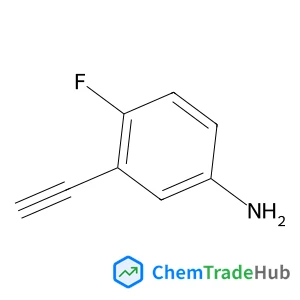
CAS Number
Related Products
![[(1alpha,6beta,14alpha,16beta)-20-Ethyl-7,8-dihydroxy-1,6,14,16-tetramethoxyaconitan-4-yl]methyl 2-[(3S)-3-methyl-2,5-dioxo-1-pyrrolidinyl]benzoate 2-hydroxy-1,2,3-propanetricarboxylate (1:1)](https://static.chemtradehub.com/structs/351/351344-10-0-4e0e.webp)
![4-[(E)-2-(4-Carbamimidoylphenyl)vinyl]-3-hydroxybenzenecarboximidamide methanesulfonate (1:2)](https://static.chemtradehub.com/structs/223/223769-64-0-1600.webp)
![(6R,7R)-3-(acetyloxymethyl)-7-[[(2Z)-2-(furan-2-yl)-2-methoxyiminoacetyl]amino]-8-oxo-5-thia-1-azabicyclo[4.2.0]oct-2-ene-2-carboxylic acid](https://static.chemtradehub.com/structs/396/39685-31-9-f1d8.webp)
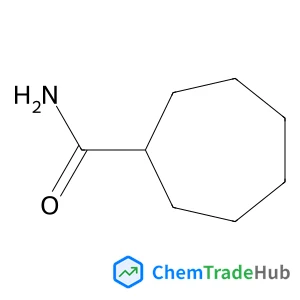
Cycloheptanecarboxamide
CAS Number: 1459-39-8

3-Chloro-1H-1,2,4-triazole
CAS Number: 6818-99-1
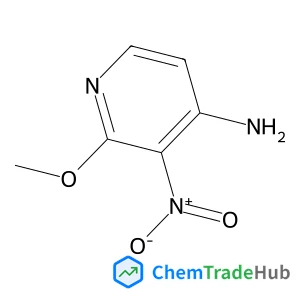
2-Methoxy-3-nitro-4-pyridinamine
CAS Number: 33623-16-4
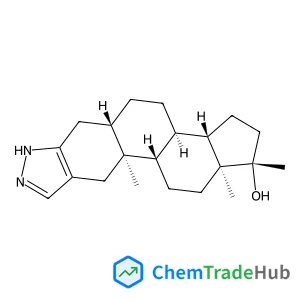
Stanozolol
CAS Number: 10418-03-8
Other Suppliers for 3-Ethynyl-4-fluoroaniline








Basic Information
Molecular Formula
C8H6FN
Molecular Weight
135.14 g/mol
Physical Properties
Melting Point
92-96 °C(lit.)
Boiling Point
247 ºC
Density
1.16
Flash Point
114 ºC
Chemical Identifiers
SMILES
C#CC1=C(C=CC(=C1)N)F
InChIKey
HWMVCSBQJWRQNF-UHFFFAOYSA-N
Database References
MDL Number
MFCD09029299
FAQ
3-Ethynyl-4-fluoroaniline (CAS: 77123-60-5) is subject to various regulatory guidelines. It is classified under the Globally Harmonized System of Classification and Labeling of Chemicals (GHS) as a skin and eye irritant. It is also regulated under the EU REACH regulations for its manufacture, import, and use. Additionally, FDA and EPA have specific requirements for its handling and disposal, particularly in terms of environmental and safety measures.
Several alternatives to 3-Ethynyl-4-fluoroaniline (CAS: 77123-60-5) can be used in synthesis, including 3-Ethynyl-4-chloroaniline and 3-Ethynyl-4-methylaniline. These compounds can serve as effective substitutes due to their similar functional groups and reactivity. Other alternatives might include using fluoroanilines with different substituents, depending on the specific synthetic pathway and desired properties of the final product.
The market for 3-Ethynyl-4-fluoroaniline (CAS: 77123-60-5) is largely driven by its use in the pharmaceutical and agrochemical industries. Research trends are focusing on its application in the synthesis of intermediates for drugs and pesticides. Recent studies have also explored its potential in material science and as a precursor for fluorescent dyes. However, due to its specific reactivity and toxicity, its use is limited in some sectors, leading to a steady demand rather than a significant growth trend.
Waste containing 3-Ethynyl-4-fluoroaniline (CAS: 77123-60-5) should be collected in appropriate containers, labeled as hazardous waste, and stored in a well-ventilated area away from heat and ignition sources. Proper incineration should be conducted under controlled conditions to ensure complete combustion. Alternatively, professional waste disposal services can manage the waste, ensuring compliance with local and national regulations. Environmental precautions include monitoring the release of any byproducts and ensuring they do not contaminate soil or water supplies.
Safety Notice
Please verify product specifications and safety data before use. Contact the supplier for detailed safety information.
Always follow proper handling procedures

Contact Information
order@canspecsci.com
Mobile
15021221957
Telephone
021-59553580
Fax
021-59553580-8012
Visit Website
https://www.canspec.cn