



AD
(2E)-4-(3,4-dimethoxyphenyl)-4-oxobut-2-enoic acid(CAS: 80937-23-1)
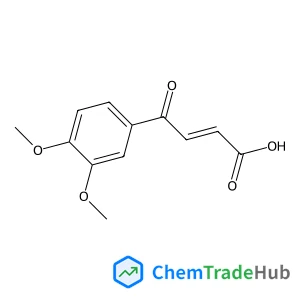
CAS Number
Related Products
![3-Cyclopropyl-1-(2-fluoro-4-iodophenyl)-5-hydroxy-6,8-dimethylpyrido[2,3-d]pyrimidine-2,4,7(1H,3H,8H)-trione](https://static.chemtradehub.com/structs/871/871700-24-2-c5dd.webp)
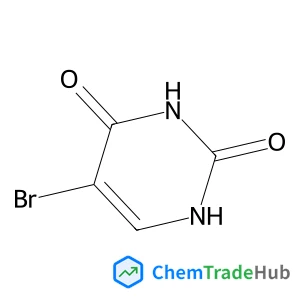
5-Bromo-2,4(1H,3H)-pyrimidinedione
CAS Number: 51-20-7
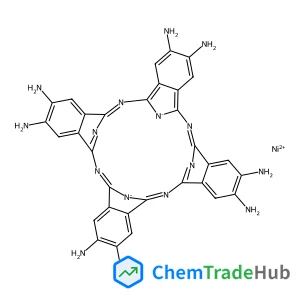
![3-Iodo-1H-pyrrolo[2,3-b]pyridine-4-carbonitrile](https://static.chemtradehub.com/structs/956/956485-59-9-1f04.webp)
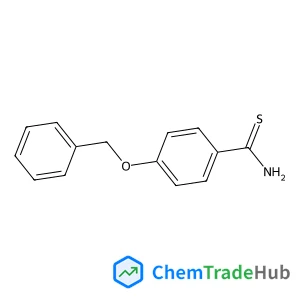
4-Benzyloxy-thiobenzamide
CAS Number: 161975-22-0
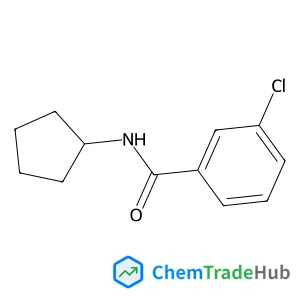
3-Chloro-N-cyclopentylbenzamide
CAS Number: 349128-33-2
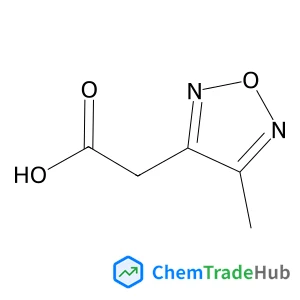
Other Suppliers for (2E)-4-(3,4-dimethoxyphenyl)-4-oxobut-2-enoic acid






Basic Information
Molecular Formula
C12H12O5
Molecular Weight
236.22 g/mol
EINECS
279-631-0
Physical Properties
Melting Point
181 °C
Boiling Point
422.1±45.0 °C(Predicted)
Density
1.241±0.06 g/cm3(Predicted)
Chemical Identifiers
SMILES
COc1ccc(cc1OC)C(=O)/C=C/C(=O)O
InChIKey
QUWWWXPLUJFEHM-GQCTYLIASA-N
Database References
MDL Number
MFCD01656414
FAQ
Regulatory guidelines for (2E)-4-(3,4-dimethoxyphenyl)-4-oxobut-2-enoic acid (CAS: 80937-23-1) include GHS classification, which categorizes it as a hazardous substance based on its physical and chemical properties. REACH regulations in the European Union require manufacturers and importers to register substances above a certain tonnage threshold. FDA and EPA have specific requirements for the handling and disposal of this compound, particularly focusing on environmental safety and human health protection.
In the synthesis of (2E)-4-(3,4-dimethoxyphenyl)-4-oxobut-2-enoic acid (CAS: 80937-23-1), there are alternative reagents that can be used, such as other carboxylic acids or their derivatives. Isomers and analogs like (2Z)-4-(3,4-dimethoxyphenyl)-4-oxobut-2-enoic acid can also be considered. These alternatives can offer similar functionalities but with different reactivity and ease of synthesis.
The market trend for (2E)-4-(3,4-dimethoxyphenyl)-4-oxobut-2-enoic acid (CAS: 80937-23-1) reflects increasing interest in its use in pharmaceutical and biotechnological applications. Research trends indicate a growing focus on its potential as a bioactive compound, with studies exploring its therapeutic properties and mechanisms of action. Additionally, there is a trend towards developing more sustainable synthesis methods and exploring its use in more environmentally friendly processes.
Waste containing (2E)-4-(3,4-dimethoxyphenyl)-4-oxobut-2-enoic acid (CAS: 80937-23-1) should be handled with care due to its potential environmental hazards. Waste liquids should be collected and stored in appropriate containers to prevent leaks. Incineration is a common method for disposing of such waste, but professional waste disposal services are recommended to ensure compliance with regulations. Environmental protection measures, such as minimizing water contamination, should be strictly followed to protect the environment.
Safety Notice
Please verify product specifications and safety data before use. Contact the supplier for detailed safety information.
Always follow proper handling procedures
Contact Information
Contact Person
Fang Rui
wangkang@jskchem.com
Mobile
15221441005
Telephone
15221441005
Visit Website
https://www.jskchem.comAddress
No chemical compound information was provided to translate. Please provide the relevant chemical information for translation.