



AD
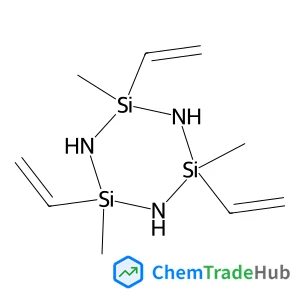
2,4,6-Trimethyl-2,4,6-trivinyl-1,3,5,2,4,6-triazatrisilinane(CAS: 5505-72-6)
CAS Number
Related Products
![[(1alpha,6beta,14alpha,16beta)-20-Ethyl-7,8-dihydroxy-1,6,14,16-tetramethoxyaconitan-4-yl]methyl 2-[(3S)-3-methyl-2,5-dioxo-1-pyrrolidinyl]benzoate 2-hydroxy-1,2,3-propanetricarboxylate (1:1)](https://static.chemtradehub.com/structs/351/351344-10-0-4e0e.webp)
![4-[(E)-2-(4-Carbamimidoylphenyl)vinyl]-3-hydroxybenzenecarboximidamide methanesulfonate (1:2)](https://static.chemtradehub.com/structs/223/223769-64-0-1600.webp)
![(6R,7R)-3-(acetyloxymethyl)-7-[[(2Z)-2-(furan-2-yl)-2-methoxyiminoacetyl]amino]-8-oxo-5-thia-1-azabicyclo[4.2.0]oct-2-ene-2-carboxylic acid](https://static.chemtradehub.com/structs/396/39685-31-9-f1d8.webp)
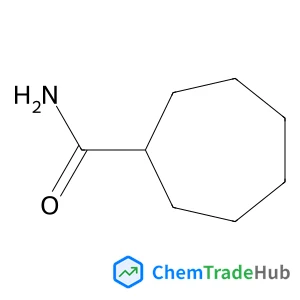
Cycloheptanecarboxamide
CAS Number: 1459-39-8
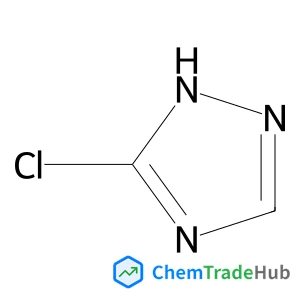
3-Chloro-1H-1,2,4-triazole
CAS Number: 6818-99-1
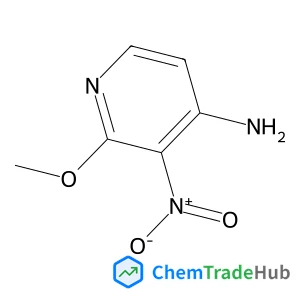
2-Methoxy-3-nitro-4-pyridinamine
CAS Number: 33623-16-4
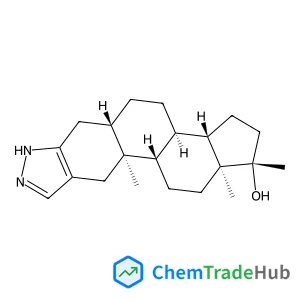
Stanozolol
CAS Number: 10418-03-8
Other Suppliers for 2,4,6-Trimethyl-2,4,6-trivinyl-1,3,5,2,4,6-triazatrisilinane








Basic Information
Molecular Formula
C9H21N3Si3
Molecular Weight
255.55 g/mol
Physical Properties
Boiling Point
65°C/1mmHg(lit.)
Chemical Identifiers
SMILES
C[Si]1(N[Si](N[Si](N1)(C)C=C)(C)C=C)C=C
InChIKey
RFSBGZWBVNPVNN-UHFFFAOYSA-N
Database References
MDL Number
MFCD00054934
FAQ
2,4,6-Trimethyl-2,4,6-trivinyl-1,3,5,2,4,6-triazatrisilinane (CAS: 5505-72-6) falls under several regulatory guidelines. It must comply with the Globally Harmonized System of Classification and Labelling of Chemicals (GHS) for hazard communication. In Europe, it must adhere to REACH regulations, and in the USA, it is subject to FDA/EPA guidelines for hazardous materials. Specific handling, storage, and disposal methods must be detailed in Material Safety Data Sheets (MSDS) and safety labels.
There are several alternatives to 2,4,6-Trimethyl-2,4,6-trivinyl-1,3,5,2,4,6-triazatrisilinane (CAS: 5505-72-6) in synthesis, such as other vinyl-terminated silanes like 1,3,5-trivinyl-2,4,6-trimethyl-1,3,5-triazinane and 2,4,6-triisopropyl-2,4,6-trivinyl-1,3,5-triazine. These alternatives offer similar functionalities but with different chemical structures and properties, providing flexibility in synthetic routes and application areas.
The market for 2,4,6-Trimethyl-2,4,6-trivinyl-1,3,5,2,4,6-triazatrisilinane (CAS: 5505-72-6) is growing due to its unique properties in organic synthesis and polymer chemistry. Researchers are exploring its use in developing new materials, as a coupling agent, and in catalytic applications. Market trends indicate increasing demand, particularly in the production of high-performance coatings and adhesives, driven by advancements in nanotechnology and green chemistry.
Waste containing 2,4,6-Trimethyl-2,4,6-trivinyl-1,3,5,2,4,6-triazatrisilinane (CAS: 5505-72-6) should be collected in appropriate containers and stored under controlled conditions to prevent exposure. Waste should be disposed of by a licensed hazardous waste facility. Incineration, followed by proper disposal of ash, is a common method, but professional waste disposal services are recommended. Environmental protection precautions include ensuring no release into the environment and adhering to local, state, and federal regulations.
Safety Notice
Please verify product specifications and safety data before use. Contact the supplier for detailed safety information.
Always follow proper handling procedures

Contact Information
order@canspecsci.com
Mobile
15021221957
Telephone
021-59553580
Fax
021-59553580-8012
Visit Website
https://www.canspec.cn