



AD
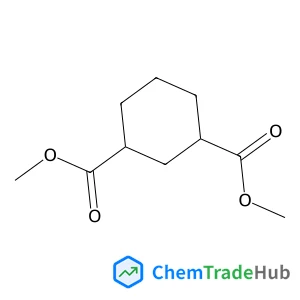
Dimethyl 1,3-cyclohexanedicarboxylate(CAS: 62638-06-6)
CAS Number
Related Products
![[(1alpha,6beta,14alpha,16beta)-20-Ethyl-7,8-dihydroxy-1,6,14,16-tetramethoxyaconitan-4-yl]methyl 2-[(3S)-3-methyl-2,5-dioxo-1-pyrrolidinyl]benzoate 2-hydroxy-1,2,3-propanetricarboxylate (1:1)](https://static.chemtradehub.com/structs/351/351344-10-0-4e0e.webp)
![4-[(E)-2-(4-Carbamimidoylphenyl)vinyl]-3-hydroxybenzenecarboximidamide methanesulfonate (1:2)](https://static.chemtradehub.com/structs/223/223769-64-0-1600.webp)
![(6R,7R)-3-(acetyloxymethyl)-7-[[(2Z)-2-(furan-2-yl)-2-methoxyiminoacetyl]amino]-8-oxo-5-thia-1-azabicyclo[4.2.0]oct-2-ene-2-carboxylic acid](https://static.chemtradehub.com/structs/396/39685-31-9-f1d8.webp)
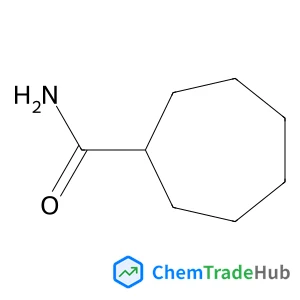
Cycloheptanecarboxamide
CAS Number: 1459-39-8
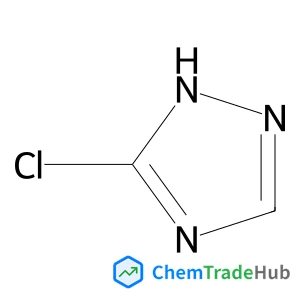
3-Chloro-1H-1,2,4-triazole
CAS Number: 6818-99-1
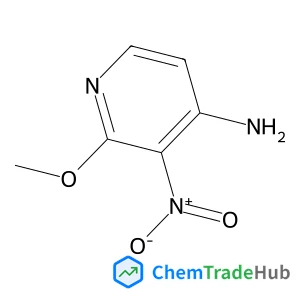
2-Methoxy-3-nitro-4-pyridinamine
CAS Number: 33623-16-4
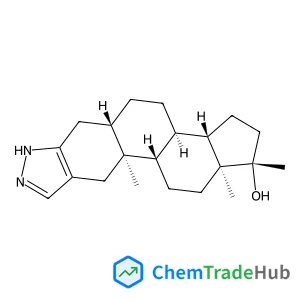
Stanozolol
CAS Number: 10418-03-8
Other Suppliers for Dimethyl 1,3-cyclohexanedicarboxylate








Basic Information
Molecular Formula
C10H16O4
Molecular Weight
200.23 g/mol
Physical Properties
Boiling Point
258.1±15.0 ºC (760 Torr),
Density
1.102±0.06 g/cm3 (20 ºC 760 Torr),
Flash Point
120.7±18.8 ºC,
Chemical Identifiers
SMILES
O=C(C1CC(C(OC)=O)CCC1)OC
InChIKey
BZUOYGUOKMUSPA-UHFFFAOYSA-N
Database References
MDL Number
MFCD07779254
FAQ
Dimethyl 1,3-cyclohexanedicarboxylate is a colorless or slightly yellow liquid with a strong fruity odor. It has a molecular weight of approximately 266.37 g/mol and a boiling point of 227-229°C. This compound is slightly soluble in water but is highly soluble in organic solvents like ethanol and acetone. Chemically, it is relatively stable but can undergo hydrolysis under basic conditions. It is also prone to oxidation and may form impurities upon prolonged storage.
Dimethyl 1,3-cyclohexanedicarboxylate is typically synthesized from 1,3-cyclohexanedicarboxylic acid and dimethylformamide as a solvent. The reaction involves the esterification of the carboxylic acid groups with dimethyl sulfate, followed by the removal of the dimethyl sulfate. Commonly used catalysts include sulfuric acid or hydrochloric acid, and the yield is generally around 70-80%. The process is conducted under reflux conditions to ensure complete conversion.
Dimethyl 1,3-cyclohexanedicarboxylate is primarily used in the polymer industry, particularly in the production of polyamides and polyesters. It is also employed in the pharmaceutical industry for the synthesis of certain drugs and intermediates. Additionally, it finds applications in the manufacturing of functional materials for sensors and semiconductors due to its chemical stability and specific functional groups.
When handling Dimethyl 1,3-cyclohexanedicarboxylate, it is essential to use appropriate personal protective equipment (PPE) such as gloves, safety goggles, and a lab coat. Work should be conducted in a well-ventilated area or a fume hood to minimize inhalation of fumes. Spills should be cleaned up using appropriate absorbent materials, and the area should be well-ventilated. It is also important to follow the safety data sheet (SDS) guidelines for proper disposal and storage. This compound is not highly toxic, but it can cause skin and eye irritation, and prolonged exposure may lead to health issues.
Safety Notice
Please verify product specifications and safety data before use. Contact the supplier for detailed safety information.
Always follow proper handling procedures

Contact Information
order@canspecsci.com
Mobile
15021221957
Telephone
021-59553580
Fax
021-59553580-8012
Visit Website
https://www.canspec.cn