



AD
2-Thienylacetonitrile(CAS: 20893-30-5)
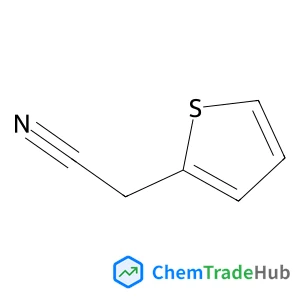
CAS Number
Related Products
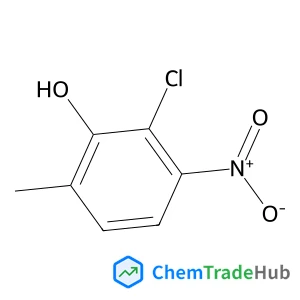
2-Chloro-6-methyl-3-nitrophenol
CAS Number: 39183-20-5
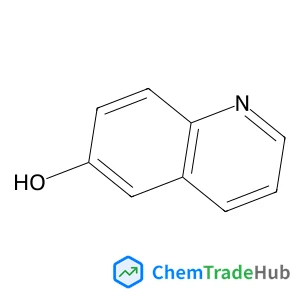
6-Quinolinol
CAS Number: 580-16-5
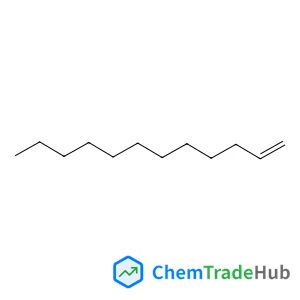
1-Dodecene
CAS Number: 112-41-4
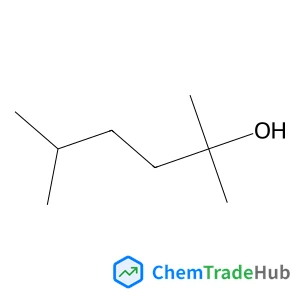
2,5-Dimethyl-2-hexanol
CAS Number: 3730-60-7
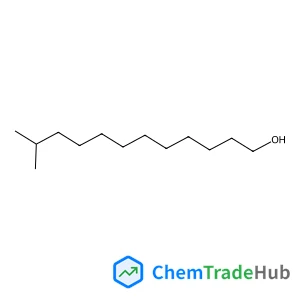
11-Methyl-1-dodecanol
CAS Number: 68526-86-3
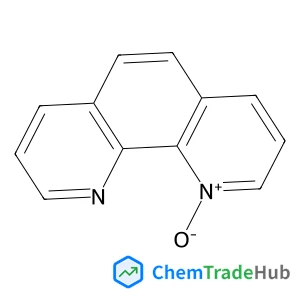
1,10-Phenanthroline 1-oxide
CAS Number: 1891-19-6
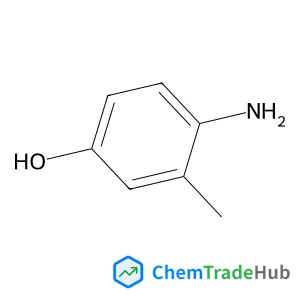
4-Amino-3-methylphenol
CAS Number: 2835-99-6
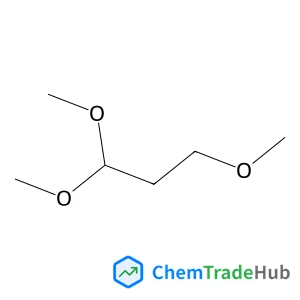
1,1,3-Trimethoxypropane
CAS Number: 14315-97-0
Other Suppliers for 2-Thienylacetonitrile





Basic Information
Molecular Formula
C6H5NS
Molecular Weight
17.03 g/mol
Physical Properties
Melting Point
-5
C
Boiling Point
120°C/22mmHg(lit.)
Chemical Identifiers
SMILES
C1=CSC(=C1)CC#N
InChIKey
CLSHQIDDCJTHAJ-UHFFFAOYSA-N
Database References
MDL Number
MFCD00005453
Beilstein Registry Number
106960
FAQ
2-Thienylacetonitrile is a colorless to light yellow liquid with a molecular weight of approximately 134.13 g/mol. It has a boiling point of around 185°C and a melting point of -30°C. Solubility is good in organic solvents like ethanol and acetone. It is slightly soluble in water. The compound is relatively stable but can undergo hydrolysis under basic conditions. It is reactive towards nucleophiles, making it useful for various chemical transformations.
2-Thienylacetonitrile is commonly synthesized via the reaction of thiophene and acetonitrile in the presence of a base. This method involves treating thiophene with acetonitrile in an organic solvent such as toluene or DMF with a base like potassium tert-butoxide. The reaction is exothermic and should be carried out under stirring conditions. The yield is typically around 70-80%, with good selectivity for the desired product.
2-Thienylacetonitrile is used in various industries due to its chemical reactivity and functional groups. It is particularly important in the pharmaceutical industry for the synthesis of bioactive compounds. In the polymer industry, it can be used as a monomer or additive. It also finds applications in the production of sensors and in the semiconductor industry for functionalization of surfaces and layers.
When handling 2-Thienylacetonitrile, it is important to use appropriate personal protective equipment (PPE) such as gloves and safety goggles. The compound should be stored in a cool, well-ventilated area, away from heat and ignition sources. Fume hoods should be used during handling to minimize inhalation risk. In case of spills, they should be carefully cleaned up using absorbent materials, and the area should be well-ventilated. Always refer to the Safety Data Sheet (SDS) for detailed handling and storage guidelines.
Safety Notice
Please verify product specifications and safety data before use. Contact the supplier for detailed safety information.
Always follow proper handling procedures
Contact Information
Contact Person
Fang Chao
3003755934@qq.com