



AD
1-(Isopropylamino)-3-(1-naphthyloxy)-2-propanol(CAS: 525-66-6)
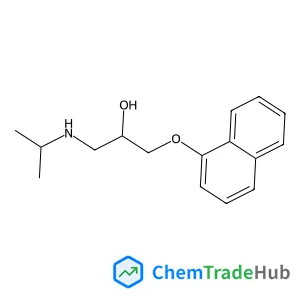
CAS Number
Related Products
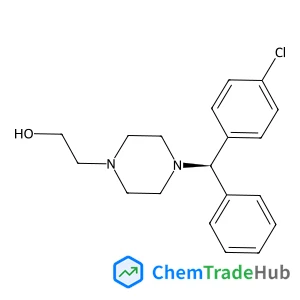
2-{4-[(R)-(4-Chlorophenyl)(phe
CAS Number: 705289-61-8
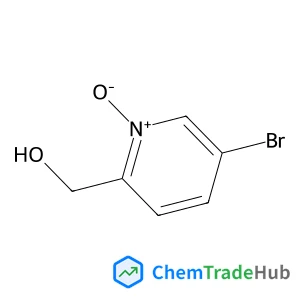
5-Bromo-2-pyridinemethanol 1-oxide
CAS Number: 638219-84-8
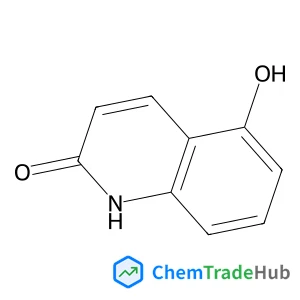
5-Hydroxy-2(1H)-quinolinone
CAS Number: 31570-97-5
![1-[4-(8-Chloro-5,6-dihydro-11H-benzo[5,6]cyclohepta[1,2-b]pyridin-11-ylidene)-1-piperidinyl]ethanone](https://static.chemtradehub.com/structs/117/117796-52-8-c0b3.webp)
![4-[(1S)-1-(2,3-Dimethylphenyl)ethyl]-1H-imidazole hydrochloride (1:1)](https://static.chemtradehub.com/structs/145/145108-58-3-a981.webp)
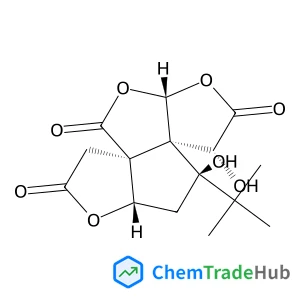
Bilobalide
CAS Number: 33570-04-6
Other Suppliers for 1-(Isopropylamino)-3-(1-naphthyloxy)-2-propanol





Basic Information
Molecular Formula
C16H21NO2
Molecular Weight
259.35 g/mol
Physical Properties
Melting Point
163-164 ºC
Boiling Point
402.6°C (rough estimate)
Chemical Identifiers
SMILES
CC(C)NCC(O)COc1cccc2ccccc12
InChIKey
AQHHHDLHHXJYJD-UHFFFAOYSA-N
Database References
MDL Number
MFCD00062560
FAQ
What regulatory guidelines apply to 1-(Isopropylamino)-3-(1-naphthyloxy)-2-propanol (CAS: 525-66-6)?
1-(Isopropylamino)-3-(1-naphthyloxy)-2-propanol (CAS: 525-66-6) is subject to various regulatory guidelines, including the Globally Harmonized System of Classification and Labeling of Chemicals (GHS), European Union's Registration, Evaluation, Authorization, and Restriction of Chemicals (REACH) regulations, and FDA and EPA requirements for hazardous substances. Specific provisions include classification as a hazardous chemical, handling, storage, and disposal guidelines, and safety data sheets (SDS) requirements.
Yes, there are alternative reagents that can be used in synthesis instead of 1-(Isopropylamino)-3-(1-naphthyloxy)-2-propanol (CAS: 525-66-6). Common alternatives include isopropylamine and naphthol derivatives, which can serve similar functional groups and reactivity profiles. These alternatives can provide cost-effective or more environmentally friendly synthesis pathways.
The market for 1-(Isopropylamino)-3-(1-naphthyloxy)-2-propanol (CAS: 525-66-6) is driven by its use in pharmaceuticals, agrochemicals, and research applications. Recent trends show increasing demand in drug discovery, particularly in developing new anti-inflammatory agents. Research is also exploring its potential in natural product synthesis and as a precursor in organic synthesis, driven by growing interest in specialty chemicals.
Waste containing 1-(Isopropylamino)-3-(1-naphthyloxy)-2-propanol (CAS: 525-66-6) should be collected in appropriate containers and stored safely to prevent environmental contamination. It should be disposed of through professional waste disposal services that comply with local regulations. Incineration is a common method for destruction, ensuring complete combustion and minimal release of pollutants. Proper handling includes wearing protective gear and following safety protocols to avoid exposure and ensure environmental protection.
Safety Notice
Please verify product specifications and safety data before use. Contact the supplier for detailed safety information.
Always follow proper handling procedures
Contact Information
Contact Person
Xu Jianmei
1490673506@qq.com
Mobile
19108750708
Telephone
8621-3650126
Visit Website
http://www.shyw17.com/Address
No. 202, 2nd Floor, Building 8, Huimin Road 1871, Minhang District, Shanghai