



AD
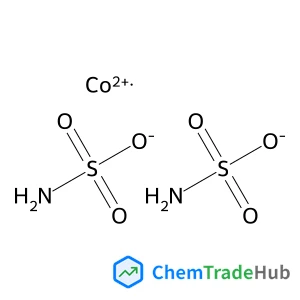
Cobalt(2+) disulfamate(CAS: 14017-41-5)
CAS Number
Related Products
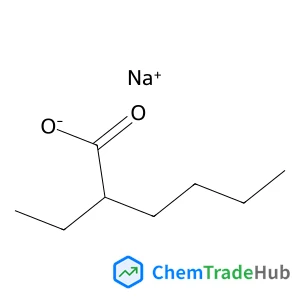
Sodium 2-ethylhexanoate
CAS Number: 19766-89-3
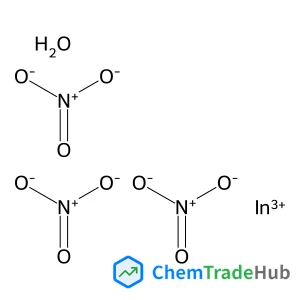
Indium nitrate hydrate
CAS Number: 13465-14-0
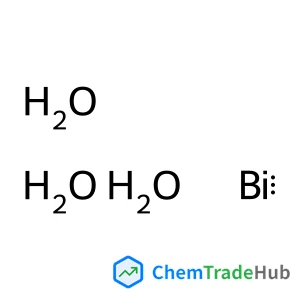
Bismuth(3+) trihydroxide
CAS Number: 10361-43-0

Silver(1+) iodide
CAS Number: 7783-96-2
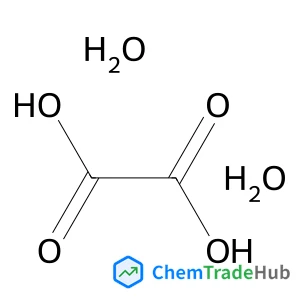
Oxalic Acid Dihydrate
CAS Number: 6153-56-6
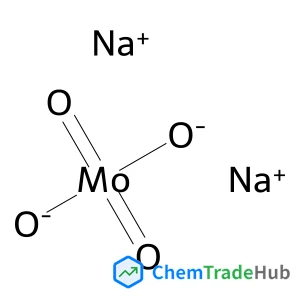
Disodium dioxido(dioxo)molybdenum
CAS Number: 7631-95-0
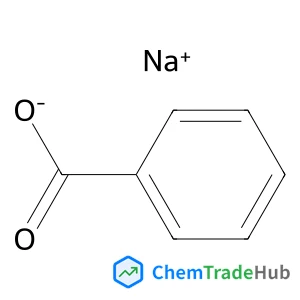
Sodium Benzoate
CAS Number: 532-32-1
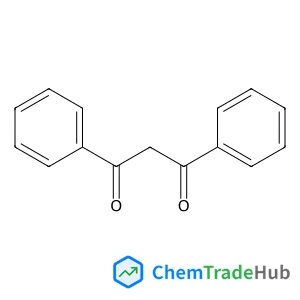
1,3-Diphenyl-1,3-propanedione
CAS Number: 120-46-7
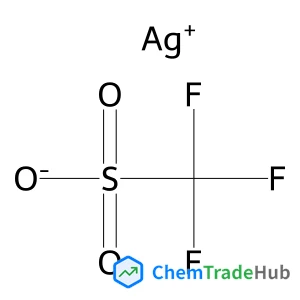
Silver(1+) trifluoromethanesulfonate
CAS Number: 2923-28-6
Other Suppliers for Cobalt(2+) disulfamate








Basic Information
Molecular Formula
H4CoN2O6S2
Molecular Weight
251.11 g/mol
Physical Properties
Boiling Point
°Cat760mmHg
Flash Point
°C
Water Solubility
Soluble in water.
Chemical Identifiers
SMILES
NS(=O)(=O)[O-].NS(=O)(=O)[O-].[Co+2]
InChIKey
WLQXLCXXAPYDIU-UHFFFAOYSA-L
Database References
MDL Number
MFCD00049877
FAQ
Cobalt(2+) disulfamate is a hydrated salt with a crystalline form. Its molecular weight is approximately 260.16 g/mol. It is soluble in water and less soluble in organic solvents. Chemically, it is stable under normal conditions but can react with strong acids. This compound is used in various applications due to its unique properties.
Cobalt(2+) disulfamate is typically synthesized through the reaction of cobalt(II) salts with sodium disulfamate. The synthesis process involves mixing the two reactants in a suitable solvent, followed by filtration and drying to obtain the final product. The yield is usually high, and the method is selective.
Cobalt(2+) disulfamate is used in various industries due to its unique properties. It is commonly used in pharmaceuticals for its potential in medicinal applications, in polymers for enhancing certain properties, and in sensors for detecting specific chemical compounds. It also has applications in the semiconductor industry for its role in material processing.
When handling Cobalt(2+) disulfamate, it is important to use personal protective equipment (PPE) such as gloves and safety goggles to protect against skin and eye contact. Spills should be handled in a fume hood using appropriate absorbent materials. It is advisable to refer to the Safety Data Sheet (SDS) for detailed guidelines on handling, storage, and emergency procedures.
Safety Notice
Please verify product specifications and safety data before use. Contact the supplier for detailed safety information.
Always follow proper handling procedures
Contact Information
Contact Person
Chen Xin
2501739421@qq.com