



AD
Ethyl 2-(bromomethyl)acrylate(CAS: 17435-72-2)
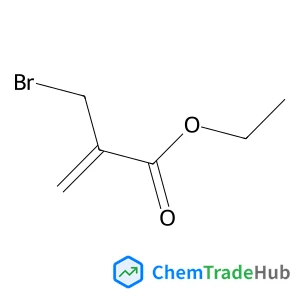
CAS Number
Related Products
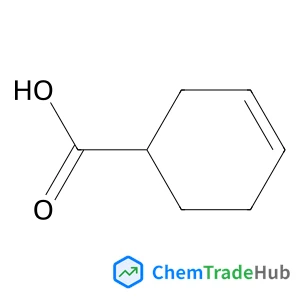
(1S)-3-Cyclohexene-1-carboxylic acid
CAS Number: 5708-19-0
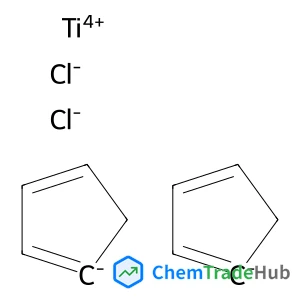
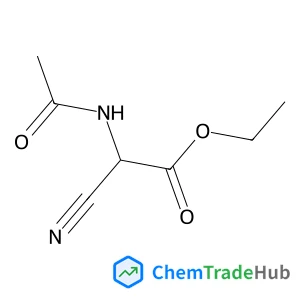
Ethyl Acetamidocyanoacetate
CAS Number: 4977-62-2
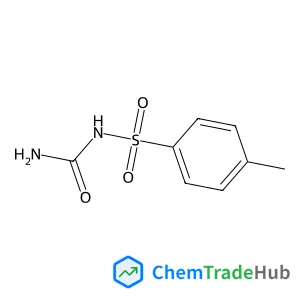
N-Carbamoyl-4-methylbenzenesulfonamide
CAS Number: 1694-06-0
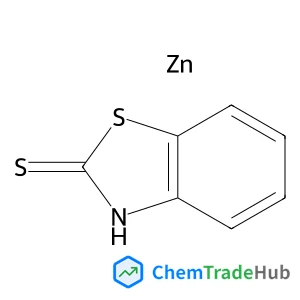
Zinc bis(1,3-benzothiazole-2-thiolate)
CAS Number: 155-04-4
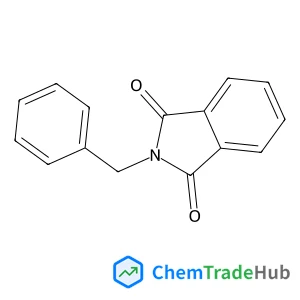
2-Benzyl-1H-isoindole-1,3(2H)-dione
CAS Number: 2142-01-0
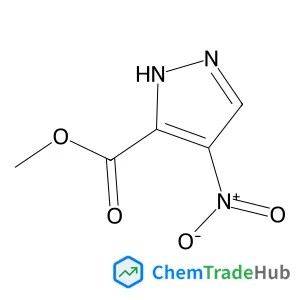
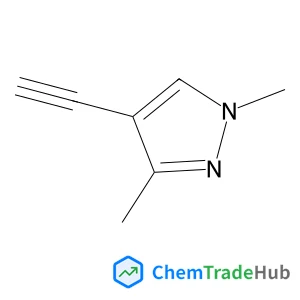
4-Ethynyl-1,3-dimethyl-1H-pyrazole
CAS Number: 61514-53-2
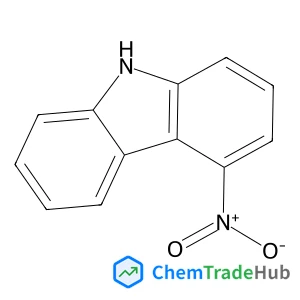
1-Nitro-9H-carbazole
CAS Number: 57905-76-7
Other Suppliers for Ethyl 2-(bromomethyl)acrylate




Basic Information
Molecular Formula
C6H9BrO2
Molecular Weight
193.04 g/mol
Physical State
Pale-yellow to Yellow-brown Liquid
Physical Properties
Melting Point
134-136 ºC
Boiling Point
86°C/20mmHg(lit.)
Chemical Identifiers
SMILES
CCOC(=O)C(=C)CBr
InChIKey
MTCMFVTVXAOHNQ-UHFFFAOYSA-N
Database References
MDL Number
MFCD00031518
FAQ
Ethyl 2-(bromomethyl)acrylate (CAS: 17435-72-2) is a colorless to pale yellow liquid with a molecular weight of approximately 181.04 g/mol. It is slightly soluble in water and soluble in organic solvents like ethanol and acetone. This compound is highly reactive due to the presence of the bromomethyl group, making it suitable for various polymerization and functionalization reactions.
Ethyl 2-(bromomethyl)acrylate (CAS: 17435-72-2) can be synthesized using acryloyl chloride and ethylamine as starting materials. The reaction involves the nucleophilic substitution of the acryloyl chloride with ethylamine, followed by a Williamson ether synthesis to form the bromomethyl group. This process typically yields a high purity product with good selectivity.
Ethyl 2-(bromomethyl)acrylate (CAS: 17435-72-2) finds applications in the pharmaceuticals, polymers, and coatings industries. It is used as a monomer for the synthesis of various polymers and as a functional group in the preparation of specialty chemicals and pharmaceutical intermediates.
When handling Ethyl 2-(bromomethyl)acrylate (CAS: 17435-72-2), it is essential to wear appropriate personal protective equipment (PPE), including gloves, goggles, and a lab coat. Work should be conducted in a well-ventilated area or a fume hood. Spills should be cleaned up with appropriate absorbent materials and disposed of according to local regulations. Always refer to the Safety Data Sheet (SDS) for detailed safety guidelines.
Safety Notice
Please verify product specifications and safety data before use. Contact the supplier for detailed safety information.
Always follow proper handling procedures
Contact Information
jacschem@163.com